










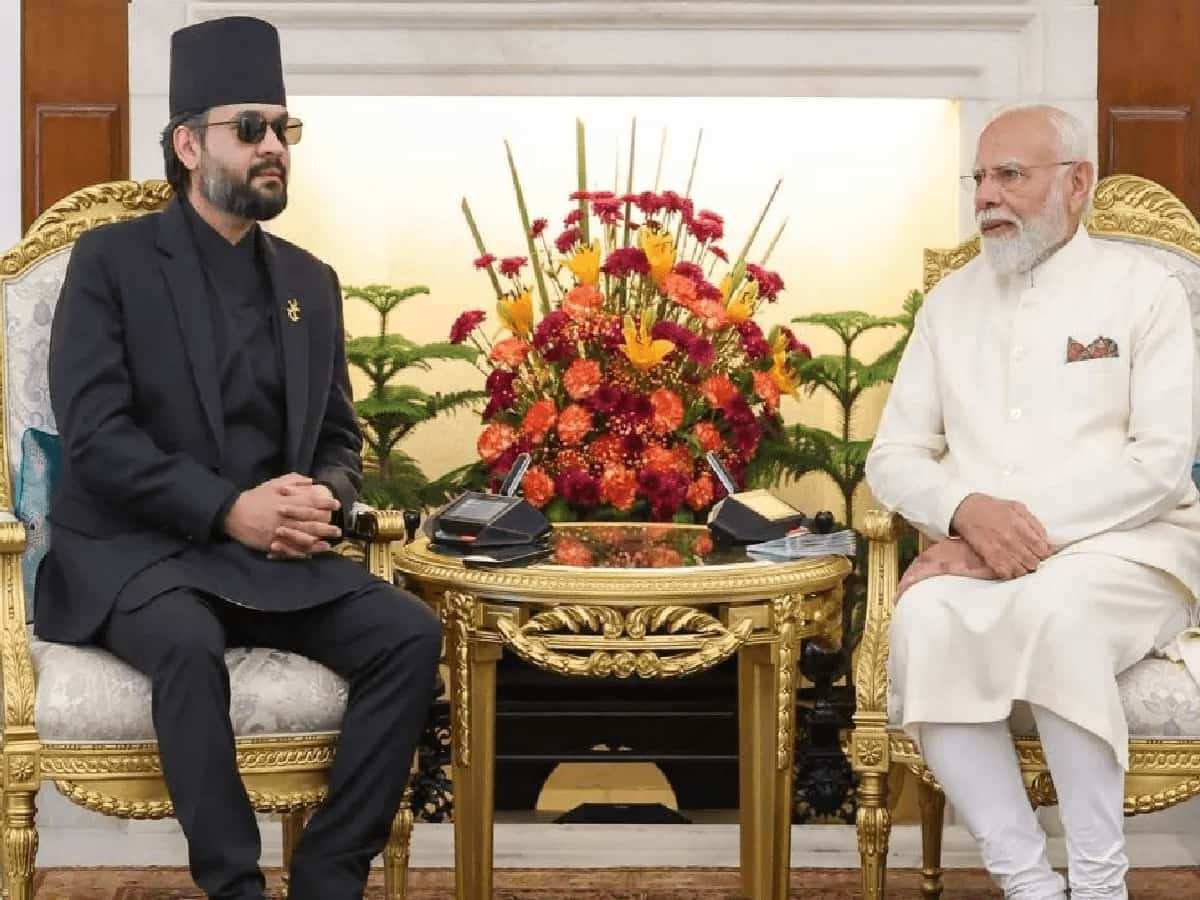
PM Modi's Gifts to Nepal PM Balen Shah: Cultural & Spiritual Meaning
During high-level bilateral talks at Hyderabad House in New Delhi on Monday, November 23, 2026, Prime Minister Narendra Modi presented his Nepalese counterpart Balendra Shah—widely known as Balen Shah, who is on his first official bilateral state visit to India since taking office earlier this year—with a thoughtfully curated trio of cultural and spiritual gifts. The offerings comprised a hand-painted Kalamkari Sampoorna Ramayana painting crafted in Andhra Pradesh's Srikalahasthi tradition, a Banarasi brocade silk stole from Varanasi housed inside an inlaid Gujarati Sadeli wooden box, and sacred Gangajal drawn near the Kashi Vishwanath Temple in a crafted brass urn. Presented on the same day the two leaders virtually flagged off the Saryu-Kamala Express linking Ayodhya in Uttar Pradesh with Janakpur Dham in Nepal alongside signing eight bilateral agreements, each gift echoed the deep religious, civilizational, and people-to-people bonds connecting the two neighbors. For readers, pilgrims, and cultural observers across northern India—including households in Lucknow and neighboring Uttar Pradesh cities such as Ayodhya, Varanasi, Kanpur, Unnao, and Prayagraj, which sit directly along the sacred corridors and rail routes linking Uttar Pradesh with Nepal—the symbolic diplomacy carries both regional and historic resonance.
What Each Gift Represents in India-Nepal Cultural Diplomacy
Rather than serving as formal protocol tokens alone, the three items presented by Prime Minister Narendra Modi weave together sacred geography shared by India and Nepal with regional artisanal heritage from across Indian states:
| Gift Presented to PM Balendra Shah | Artisanal & Regional Origin | Cultural & Bilateral Symbolism |
| Kalamkari Sampoorna Ramayana Painting | Hand-painted on cotton in the Srikalahasthi style (Andhra Pradesh) using a bamboo pen (kalam) and natural dyes. | Chronicles key episodes of Lord Rama's journey—from birth and exile to victory over Ravana and return to Ayodhya—symbolizing the sacred bond between Ayodhya and Janakpur (revered as the birthplace of Goddess Sita). |
| Banarasi Brocade Stole in a Sadeli Box | Woven by master silk artisans in Varanasi (Uttar Pradesh) and enclosed in a geometric-inlay Sadeli woodworking box from Gujarat. | Pairs intricate zari silk weaving from Kashi with precision wood marquetry from Gujarat, uniting two celebrated Indian craft traditions in a single presentation. |
| Sacred Gangajal in a Brass Urn | Collected from the Ganga near Kashi Vishwanath Temple (Varanasi) and presented in a traditional brass vessel. | Reflects the enduring spiritual bridge between Baba Kashi Vishwanath in Varanasi and Lord Pashupatinath in Kathmandu, conveying wishes for peace and harmony. |
Srikalahasthi Kalamkari Artwork and the Ayodhya–Janakpur Bond
The Sampoorna Ramayana scroll created in the Srikalahasthi school of Kalamkari stands out both for its artisanal rigor and its narrative resonance. Executed freehand on cotton fabric with a bamboo kalam and organic mineral and vegetable dyes, the painting traces pivotal chapters of the epic from Lord Rama's birth and forest exile to his triumph over Ravana and joyous return to Ayodhya. In the context of India-Nepal ties, the artwork bridges two pillars of the Ramayana circuit—Ayodhya in Uttar Pradesh and Janakpur in Nepal's Mithila region, revered as the maternal home of Mata Sita.
Banarasi Zari Craftsmanship Meets Gujarati Sadeli Marquetry
Equally deliberate was the pairing of a Banarasi brocade stole with a Gujarati Sadeli box. Renowned for fine silk textures and shimmering zari motifs passed down through generations of Varanasi weavers, the stole was nestled inside a Sadeli box—a heritage woodworking craft from Gujarat known for intricate geometric patterns assembled from tiny pieces of wood, metal, and natural materials. Together, the textile and its case showcased how distinct regional craft traditions from northern and western India complement one another.
Kashi Gangajal and the Saryu-Kamala Express Rail Link
Completing the trio was Gangajal gathered from the Ganga near Kashi Vishwanath Temple, presented in an engraved brass urn to symbolize the centuries-old spiritual kinship between Varanasi's Kashi Vishwanath and Kathmandu's Pashupatinath shrines. That message of cultural continuity carried directly into concrete connectivity outcomes during the New Delhi summit, where PM Modi and PM Balen Shah virtually flagged off the Saryu-Kamala Express connecting Ayodhya with Janakpur Dham—a roughly 604-km cross-border rail link set to commence regular commercial service on November 28, 2026, making pilgrimage and family travel between Uttar Pradesh and Nepal faster and more accessible.






