










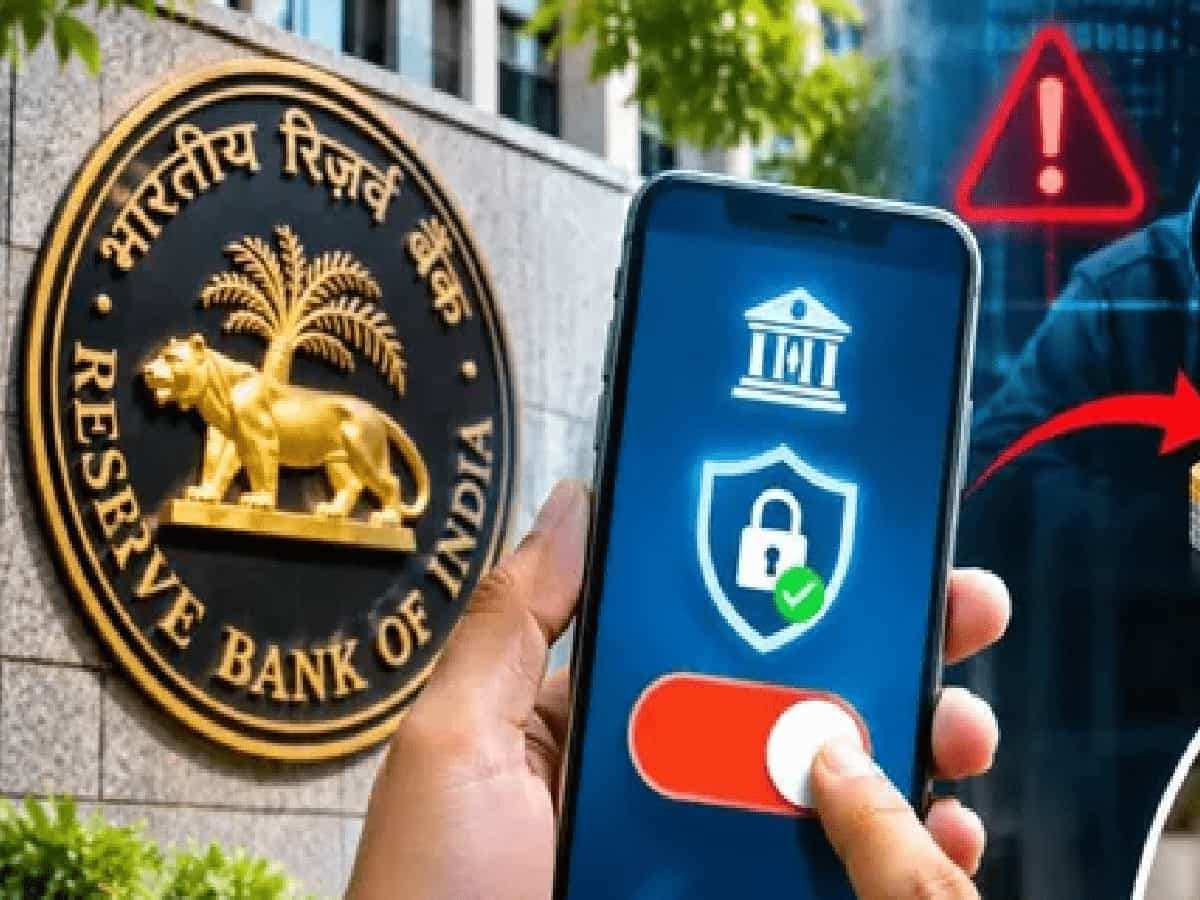
RBI New Rules: 'Stop Switch' & 'Trusted Person' to Curb Cyber Fraud
In a sweeping bid to give Indian bank customers an instant "emergency brake" against phishing links, remote-access scams, and coercive "digital arrest" frauds, the Reserve Bank of India (RBI) has unveiled draft guidelines introducing an account-wide Stop Switch and a voluntary Trusted Person Mechanism. Issued on November 23, 2026, under the draft Reserve Bank of India (Commercial Banks – Responsible Business Conduct) Fifth Amendment Directions, 2026—alongside parallel drafts covering small finance banks, payments banks, regional rural banks, and co-operative banks—the framework shifts the focus from post-fraud damage control to real-time prevention. Currently open for public and stakeholder comments until December 14, 2026, the preventive controls are slated to come into force on July 1, 2027 (while expanded bank negligence provisions take effect from January 1, 2027). For everyday banking users, retirees, and families across northern India—including households in Lucknow and neighboring Uttar Pradesh cities such as Unnao, Kanpur, Prayagraj, and Varanasi, where rising UPI and online banking adoption has been accompanied by heightened vigilance against cyber scams—these upcoming tools promise practical, user-controlled defenses against unauthorized withdrawals.
How the RBI 'Stop Switch' Works—and Why Hackers Cannot Easily Disable It
When a customer clicks a malicious link, shares an OTP, or notices suspicious login alerts, precious minutes are often lost calling multiple helplines to block cards, net banking, and UPI separately. Under the RBI's draft proposal, every bank will be required to offer a single-action Stop Switch accessible across mobile banking apps, internet banking, ATMs, interactive voice response (IVR) helplines, and physical bank branches:
-
What Gets Blocked Immediately: Activating the Stop Switch halts all customer-initiated outgoing debits across digital channels, stops the creation of new payment mandates or standing instructions, and blocks new UPI registrations on third-party payment apps.
-
What Continues Uninterrupted: The switch does not freeze incoming deposits—inward credits, existing recurring mandates (such as scheduled SIPs or utility e-mandates), and bank-initiated recoveries like loan EMIs continue normally.
-
Strict Safeguards Against Deactivation: Even if fraudsters gain access to a victim's phone, turning off the Stop Switch will require stringent multi-factor authentication—at least as strong as the verification used to enable digital channels—followed by a risk-based cooling-off period before outward payments resume.
Trusted Person Mechanism: A Second Pair of Eyes for Large Transfers
Alongside the emergency kill-switch, the RBI has proposed a voluntary Trusted Person Mechanism (TPM) aimed at protecting senior citizens and digitally less-experienced account holders from high-value transfer scams:
| Safeguard Feature | How It Operates Under RBI Draft Directions | Built-In Customer Protections |
| Who Can Be Nominated | Any adult (aged 18 and above) chosen voluntarily by the account holder, with explicit consent from both parties. | The trusted person does not become a joint holder, nominee, or authorized signatory, cannot view balances, and carries zero financial liability. |
| Transactions Covered | Electronic fund transfers (such as RTGS and NEFT) initiated via physical or digital channels above a customer-defined threshold. | Excludes routine UPI payments, merchant payments, and existing recurring mandates so daily spending stays friction-free. |
| Approval Window & Changes | Once triggered, the trusted person receives an alert and has one hour to approve or reject the transfer; unapproved requests are automatically cancelled. | Changing or removing a trusted person—or altering limits—requires authentication plus a 24-hour cooling-off period. |
Custom Channel Limits, Default-Off Channels, and Stronger Bank Liability
Rounding out the draft rules, the RBI has proposed keeping all digital payment channels disabled by default at account onboarding (activated only upon explicit customer consent), letting customers set custom per-transaction, per-beneficiary, daily, and time-window limits across UPI, net banking, and cards, and widening the definition of bank negligence—holding lenders accountable if fraud stems from authentication lapses, delayed alerts, system breaches, or failure to honor customer-set controls.






