


Kerala High Court Urges Urgent Reform in Archaic Christian Divorce Law to Protect Abuse Survivors
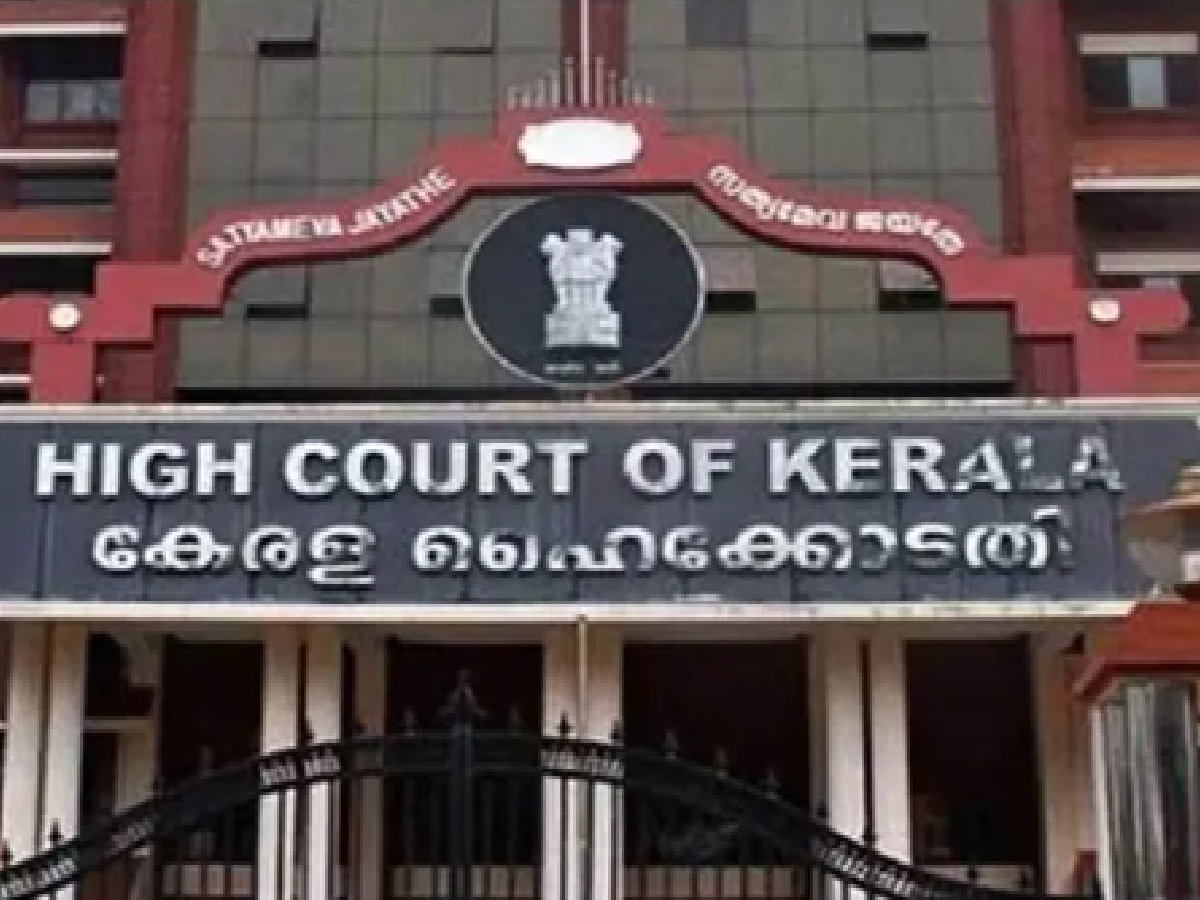
In a landmark judicial intervention, the Kerala High Court has officially recommended that the Central Government and Parliament amend the 157-year-old Divorce Act of 1869. The division bench highlighted that the ancient statute, which governs matrimonial disputes among Indian Christians, actively acts as a barrier to justice for women who are survivors of severe domestic violence. The high court's recommendation comes as a major push toward legal modernization, emphasizing that centuries-old territorial restrictions systematically trap vulnerable women in long, expensive, and emotionally draining legal battles.
The Flaw in the 1869 Statute: How Territorial Jurisdiction Penalizes Domestic Violence Victims
The high court’s decisive move was triggered by a petition from a Christian woman who had survived domestic abuse. Her initial divorce application was abruptly dismissed by a local family court on a rigid technicality. Under Section 3(3) of the Divorce Act of 1869, a Christian couple can only initiate divorce proceedings in three specific jurisdictions: the location where the marriage was solemnized, the location where the couple last cohabited, or the place where the couple currently resides together. The colonial-era framework fails to offer a provision allowing a displaced victim to file for separation from her current place of shelter or parental home, forcing women to make unsafe journeys across districts just to attend court hearings.
The Complicated Roadmap for Legal Redressal: Transfer Petitions and Inter-State Jurisdictional Hurdles
Under the current legal setup, if an abused woman relocates from Kasaragod to Thiruvananthapuram, she must first file her divorce petition in the distant Kasaragod court. Only after that initial filing can she approach the High Court with a transfer petition to move the case to her current location. While this intra-state transfer is somewhat manageable within Kerala's boundaries, the situation becomes incredibly complicated if the estranged spouse resides in a different state. In such inter-state disputes, the victim is forced to approach the Supreme Court of India simply to get her case transferred, making the pursuit of basic legal rights financially impossible for many.
A History of Legislative Reforms: From the 2001 Gender Equality Amendment to the Landmark Mary Roy Case
This is not the first time that Christian personal laws in India have faced heavy scrutiny for discriminatory practices. Following intense legal battles, Parliament modified the biased sections of the Divorce Act of 1869 in 2001, finally granting Christian men and women equal structural grounds for seeking a divorce. Similarly, the Indian judiciary scripted history in 1986 during the landmark Mary Roy v. State of Kerala case. In that historic verdict, the Supreme Court struck down archaic customary laws to grant Syrian Christian women equal rights in ancestral property inheritance, paving the way for the current legal demand for absolute geographical convenience for women in distress.




_1213072488_351x234.jpg)