India Halts Indus Water Treaty Post-Pahalgam Attack as Pakistan Fails to Weaponize Climate Narrative on Global Stage
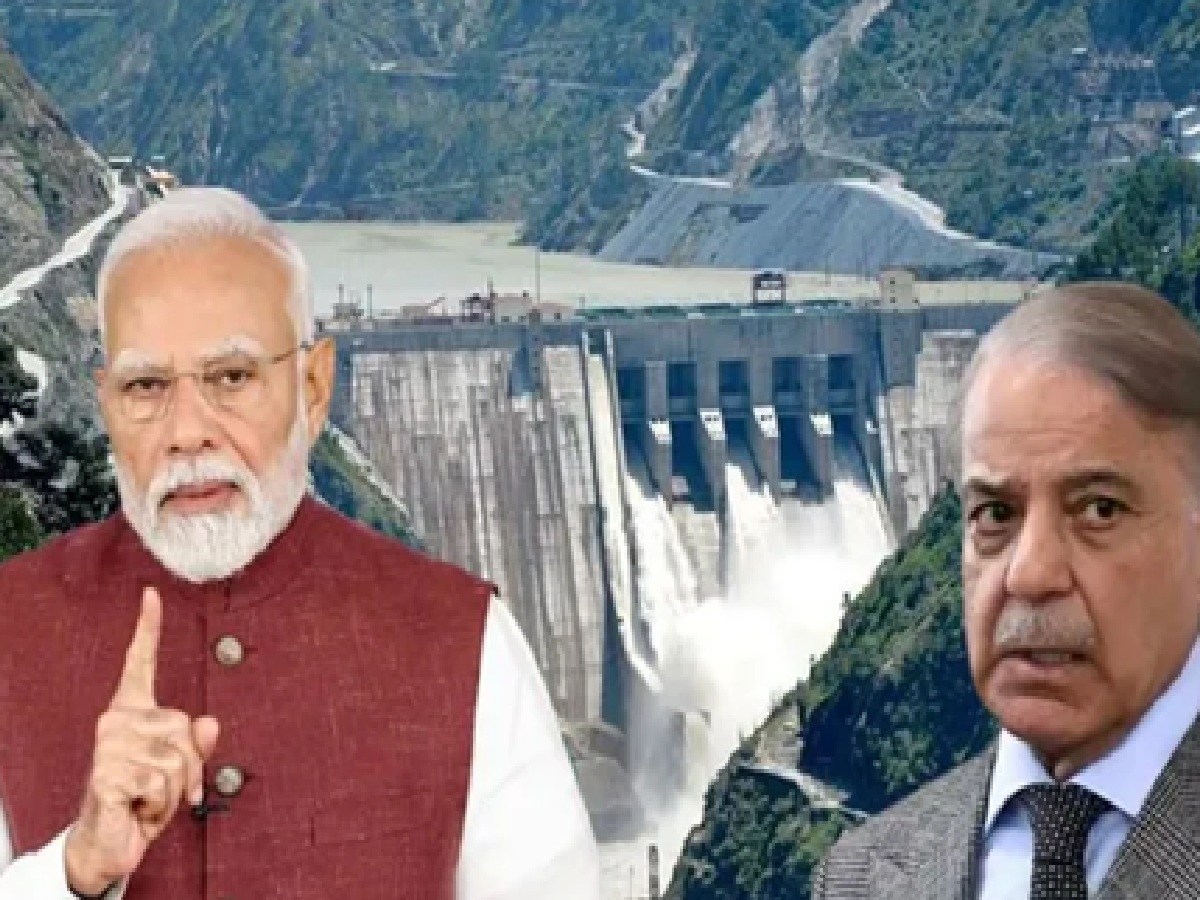
In a major diplomatic and strategic escalation following the recent Pahalgam terror attack, the Government of India has executed a definitive water strike by officially suspending the historic Indus Water Treaty (IWT). The treaty, which has regulated the sharing of cross-border river waters between the two South Asian neighbors for decades, now stands frozen. This decisive counter-offensive from New Delhi has triggered panic within Islamabad’s diplomatic circles. In response, Pakistan has launched a massive global public relations campaign to garner sympathy on international forums, accusing India of "weaponizing water security." However, geopolitical experts note that despite aggressive lobbying, Pakistan's traditional victimhood narrative is failing to find traction among global superpowers.
Deconstructing Pakistan’s Global Strategy: Leveraging Climate Change for Sympathy
In its latest bid to internationalize the cross-border water dispute, Islamabad has altered its narrative by linking the suspension of the Indus Water Treaty directly to the ongoing global climate crisis. By framing the issue around environmental degradation, ecological survival, and regional water scarcity, Pakistan is attempting to exploit contemporary global anxieties.
This diplomatic maneuver is not entirely new. Historically, Pakistan has consistently portrayed itself as the vulnerable downstream party to extract international leverage. The strategy dates as far back as 1952, when Pakistan’s Foreign Minister leveled similar resource-blocking allegations against New Delhi before the United Nations Security Council (UNSC). For over seven decades, Islamabad has relied on this repetitive playbook on international platforms to counter India's strategic decisions.
Sovereign Rights vs Treaty Rights: How Islamabad Misleads the International Community
Strategic and legal analysts point out a fundamental flaw in Pakistan's global propaganda campaign. Islamabad frequently misleads the international community by deliberately conflating the usage rights granted under a bilateral treaty with absolute sovereign ownership rights.
The legal reality of the Indus Water Treaty is clear: the agreement outlines specific frameworks for the regulated consumption and allocation of flowing waters; it does not grant Pakistan territorial ownership over the rivers themselves. By keeping this critical distinction hidden from global forums, Pakistan attempts to construct a false narrative of territorial aggression, whereas India is simply altering its treaty-bound concessions in response to state-sponsored national security threats.
Understanding the Legal Framework of the Indus Water Treaty
The Indus Water Treaty is essentially a legally binding bilateral mechanism designed to regulate the specific distribution, restrictions, and parameters of river water usage between two sovereign states. Crucially, the treaty firmly recognizes and preserves India's absolute territorial sovereignty over the rivers that originate and flow directly through Indian territory.
While the text sets up strict treaty-based obligations regarding downstream flow, it operates under the core assumption of mutual cooperation and peaceful coexistence. Legal experts emphasize that for any international accord to function smoothly, both participating signatories must strictly adhere to its underlying principles—a condition that Pakistan has systematically violated through ongoing cross-border security provocations.
The End of Unilateral Restraint: New Delhi's Powerful Strategic Message
By officially suspending the treaty, India has sent an unequivocal message to both Islamabad and the global community. The primary significance of this historic move lies not in an immediate physical diversion of river courses, but in the permanent dismantling of India’s long-standing policy of unilateral restraint.
For decades, this self-imposed restraint restricted New Delhi from fully exercising its geopolitical and infrastructural rights over its own sovereign waters. With the suspension now in effect, India has made it clear that bilateral privileges cannot coexist with national security breaches, establishing a new paradigm in South Asian hydro-diplomacy.





_1587178762_351x234.jpg)
_305727748_351x234.jpg)