









India-China Military Talks Held on Arunachal Border Ahead of Winter
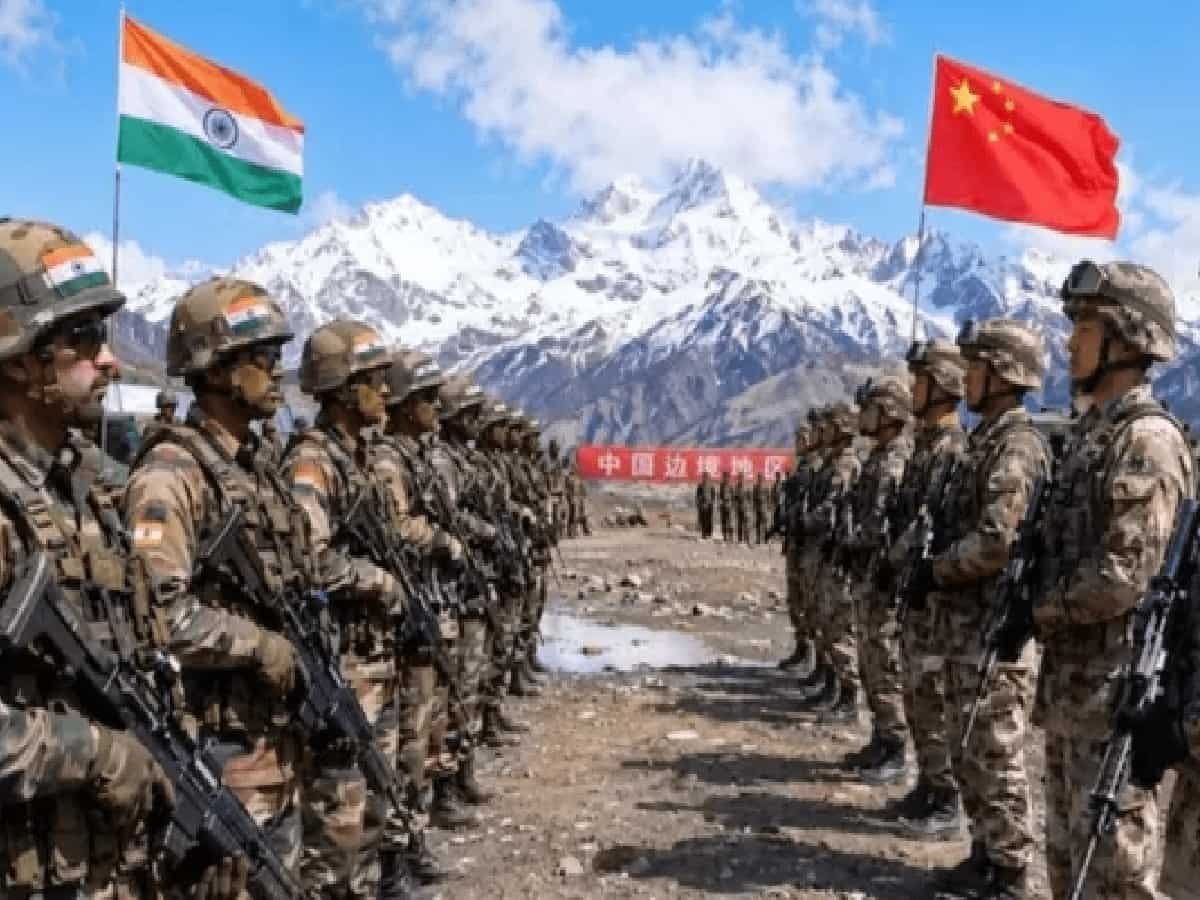
India and China have held a fresh round of commander-level military discussions aimed at managing friction and preventing localized escalations along the Line of Actual Control (LAC) in the Eastern Sector as harsh Himalayan winter conditions set in across Arunachal Pradesh. The Indian delegation was led by Lieutenant General Girish Kalia, General Officer Commanding (GOC) of the Indian Army's III Corps (headquartered at Rangapahar near Dimapur, Nagaland), alongside senior military officers and a representative from the Ministry of External Affairs (MEA), engaging with Chinese military counterparts to keep operational communication channels open. For strategic affairs observers, defence followers, and news readers across India—including communities in northern heartland towns such as Unnao, Kanpur, Lucknow, Prayagraj, and Varanasi—the talks reflect ongoing efforts to maintain stability along high-altitude frontiers ahead of winter deployments.
Preventing Patrol Friction and Escalation Along the Eastern LAC
The central focus of these commander-level engagements is establishing clear on-ground protocols, minimizing friction between patrolling parties, and ensuring that tactical disagreements in overlapping or differently perceived stretches of the LAC do not spiral into wider standoffs. Both militaries maintain substantial troop deployments along sensitive sectors of Arunachal Pradesh, where steep mountain terrain, weather extremes, and narrow high-altitude ridges add operational complexity as temperatures drop sharply in late autumn and winter.
Sustained military-to-military and diplomatic dialogue has remained an essential mechanism for both sides to clarify ground positions, manage patrol routines, and preserve calm along volatile stretches of the frontier.
Building on the September Talks at Wacha-Damai in Kibithu
The latest engagement follows earlier Corps Commander-level talks held in the Eastern Sector on September 6 and 7, 2026, at the Wacha–Damai Border Personnel Meeting (BPM) points—with Wacha situated in the Kibithu sector of Arunachal Pradesh as India's easternmost BPM point.
That September round took place amid reports of heightened sensitivity around areas such as Taksing in Arunachal Pradesh's Upper Subansiri district, underscoring why regular structured interactions between field commanders and diplomatic officials remain crucial in zones where perceptions of the LAC diverge. Across this eastern theatre, the Indian Army's III Corps anchors forward readiness and border management.
Historical Roots of the Arunachal Pradesh Boundary Dispute
The border question in the eastern sector centers on Beijing's refusal to accept the McMahon Line, which India recognizes as the established international boundary between India and China in the region. Negotiated during the 1914 Simla Convention involving representatives of British India, Tibet, and China, the alignment was later repudiated by successive Chinese authorities.
Beijing claims Arunachal Pradesh as "Zangnan" or "South Tibet", whereas New Delhi has consistently and firmly rejected those claims, maintaining that Arunachal Pradesh is an integral and inalienable part of India and that peace and tranquility along the border remain foundational to bilateral relations.