Hyderabad Heat Island Crisis: How Concrete Jungles and Glass Towers Are Turning the City into a Furnace
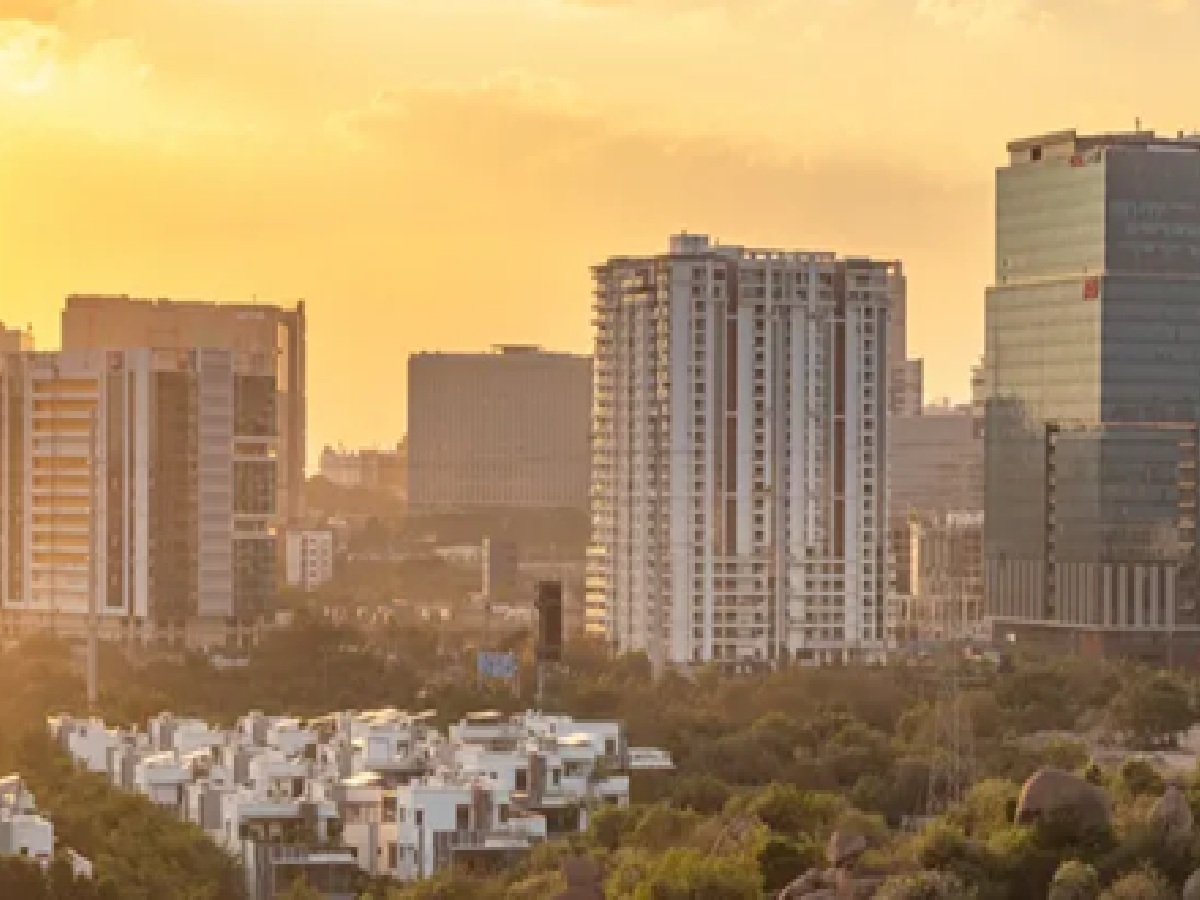
Hyderabad is rapidly transforming its skyline with glittering glass skyscrapers and sprawling luxury gated communities, but this modern development is triggering a severe environmental crisis. The city's booming real estate expansion, heavily driven by concrete and reflective glass structures, is dangerously intensifying the urban heat island effect. Consequently, densely built urban zones are experiencing alarmingly higher temperatures compared to surrounding open spaces. Ironically, data reveals that the hottest commercial and residential zones in the city also boast the highest concentration of buildings certified by the Indian Green Building Council (IGBC), exposing a stark gap between theoretical eco-certifications and ground-level reality.
Why Eco-Certified 'Green Buildings' Are Failing to Cool Hyderabad
Environmental experts explain that the issue does not lie within the green building technology itself, but rather in the overwhelming scale of traditional, heat-trapping concrete construction surrounding them. Comprehensive studies conducted by the Hyderabad Urban Lab and the Centre for Science and Environment (CSE) have identified major IT and commercial hubs like Gachibowli, Hi-Tech City, the Financial District, Madhapur, and Kukatpally as the city's most severe heat hotspots. Despite housing numerous IGBC-certified structures, these buildings are completely outnumbered by vast expanses of asphalt roads, conventional concrete complexes, and ordinary high-rises. Urban planners point out that over 90 percent of the city's infrastructure continues to rely on standard concrete and cheaper glass, making it impossible for a handful of certified eco-friendly buildings to lower neighborhood-wide temperatures.
The Role of Glass Facades, Concrete Yards, and Lost Green Spaces
The widespread use of ordinary, unshielded glass in modern building facades absorbs intense solar radiation and radiates that trapped heat directly back into the atmosphere. To cut costs, builders frequently bypass high-performance green glass recommended by environmental agencies. Furthermore, instead of preserving natural soil or open green spaces within premises, builders pave entire campuses with concrete for driveways, parking, and pathways, turning the ground into a massive heat absorber. Research highlights a glaring contrast: a multi-story society in Nanakramguda featuring solar and rainwater harvesting still registered an internal temperature of 34.7 degrees Celsius due to heavy concrete paving, which skyrocketed to 38.1 degrees just 100 meters outside its walls. In stark contrast, a residential project in Kompally that maintained 70 percent open and green space successfully mitigated indoor temperatures, drastically lowering residents' reliance on air conditioning.
Urgent Policy Overhauls and Solutions to Save Hyderabad
Urban development experts emphasize that protecting Hyderabad from extreme heat requires macro-level neighborhood planning rather than isolated green initiatives. Drawing parallels to global urban transformations, city planners suggest that Hyderabad must implement rigorous regulations akin to Los Angeles' historic anti-smog policies from the 1950s. Experts strongly advocate making Heat Impact Assessments mandatory for large-scale real estate projects, similar to standard Environmental Impact Assessments. Additionally, replacing traditional road tar with air and water-absorbing materials, mandating cool-roof technologies, and revising building bylaws to restrict excessive glass usage are critical steps forward. While achieving Gold or Platinum green ratings adds only 1 to 2 percent to total construction costs—which are easily recovered through electricity savings in three to four years—government-backed incentives like tax breaks and FSI exemptions for builders delivering verifiable cooling outcomes could successfully rescue Hyderabad from becoming an uninhabitable concrete furnace.