DK Shivakumar: Karnataka Has Absolute Right Over Mekedatu Dam
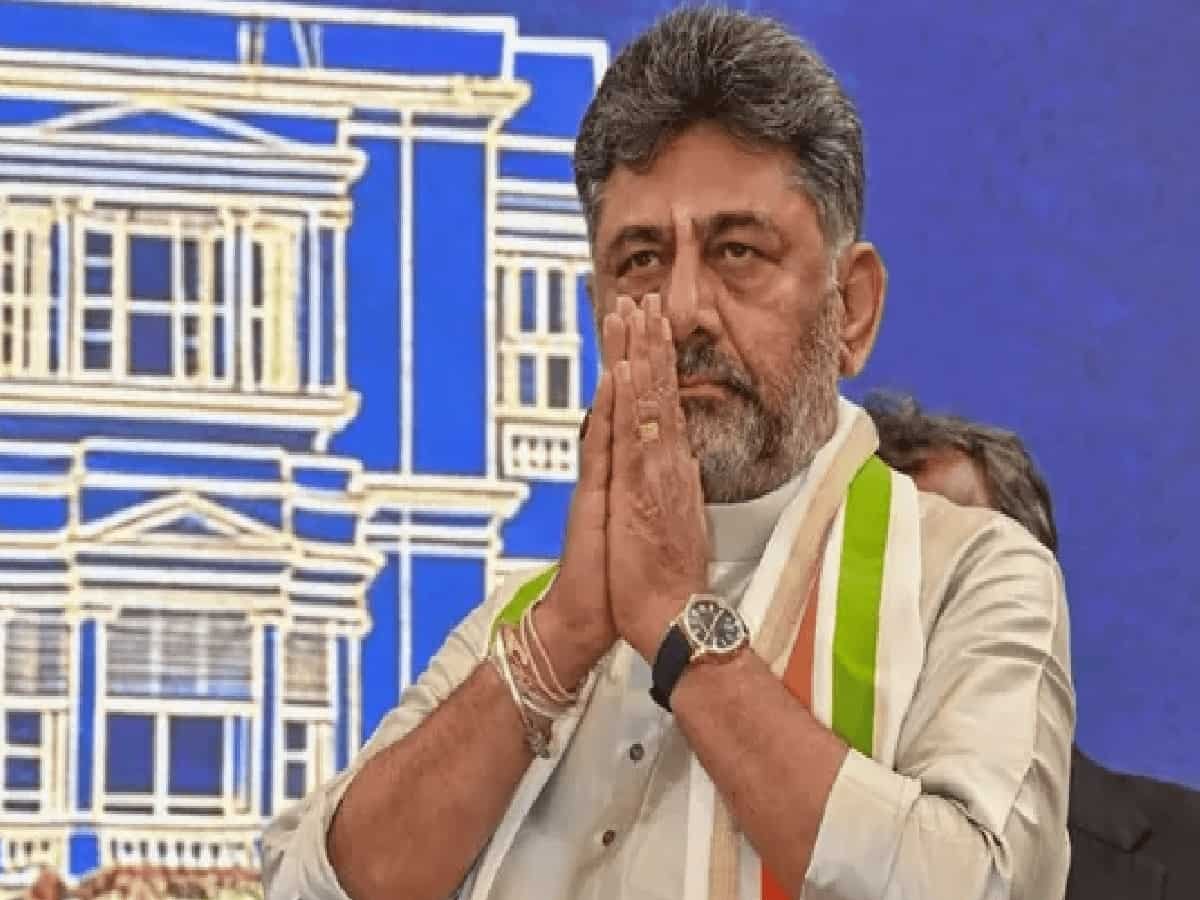
Interstate river water disputes in southern India have flared up once again as political rhetoric intensifies between neighboring riparian states. Karnataka Chief Minister DK Shivakumar on Saturday issued a robust and uncompromising defense of the proposed Mekedatu balancing reservoir project, flatly dismissing sharp criticisms and condemnation from political leaders across the border in Tamil Nadu.
Amid ongoing friction over the utilization of Cauvery River waters, Shivakumar asserted that Karnataka holds the unalienable legal and administrative right to construct the dam to secure drinking water for its rapidly expanding urban centers. His remarks come in direct response to vehement protests and social media criticisms leveled by Tamil Nadu political figures, setting the stage for renewed debate over shared river basins.
Responding to Tamil Nadu’s Protests and Political Posturing
The latest flashpoint erupted after Tamil Nadu leaders, including regional party representatives and opposition voices, strongly condemned earlier statements by Shivakumar in which he maintained that no external force could halt the construction at Mekedatu. Addressing reporters in Bengaluru, the Karnataka Chief Minister remained entirely unfazed by the cross-border political fallout.
"No matter who condemns, it doesn't matter to me. This is my state, it is my right," Shivakumar declared firmly. Seeking to de-escalate tensions through administrative transparency, the Chief Minister extended an open invitation to political delegations and ministers from Tamil Nadu, urging them to inspect the proposed construction site firsthand. "They should come with a delegation. I will show them and explain how it will help," he stated, emphasizing that the project is designed for balanced resource management rather than interstate deprivation.
Dismissing the relentless political friction as routine regional posturing, Shivakumar noted that opposition to the project in Tamil Nadu transcends party lines due to local electoral pressures. "If the Congress doesn't oppose, the DMK will. If the DMK doesn't oppose, the AIADMK will. So, someone will definitely oppose," he remarked, pointing out that political expediency frequently eclipses technical realities in Cauvery basin discussions.
Invoking the Supreme Court’s Cauvery Water-Sharing Framework
To substantiate Karnataka’s legal standing, Shivakumar invoked the landmark Supreme Court ruling on the Cauvery water-sharing dispute. He reiterated that the execution of the Mekedatu project will in no way infringe upon or diminish Tamil Nadu's legally mandated allocation.
Under the definitive 2018 Supreme Court judgment—which modified previous tribunal allocations—Tamil Nadu is guaranteed an annual share of 177.25 TMC (Thousand Million Cubic feet) of water, while Karnataka is allocated 284.75 TMC. Shivakumar emphasized that the reservoir operations would strictly adhere to these judicial parameters, ensuring that downstream flows remain fully protected even as Karnataka captures and stores excess monsoon runoff.
Understanding the Mekedatu Project: Scope, Benefits, and Controversies
The Mekedatu project is conceived as a multi-purpose balancing reservoir and hydroelectric scheme to be constructed across the Kaveri River near Kanakapura in Ramanagara district, Karnataka. Key operational objectives of the initiative include:
Drinking Water Security: Providing a sustainable, long-term potable water supply to address the acute and growing needs of Bengaluru and surrounding rural and suburban habitations.
Hydroelectric Generation: Harnessing river flow to generate approximately 400 megawatts (MW) of clean, renewable hydroelectric power.
Flood Regulation and Storage: Regulating peak seasonal river flows, capturing surplus floodwaters during high-rainfall years, and releasing regulated quantities during dry summer months.
Despite these developmental justifications, the project has faced fierce and consistent opposition from Tamil Nadu successive governments and political parties. Tamil Nadu’s primary contention is that constructing an upstream balancing reservoir gives Karnataka unilateral control over river flows, potentially threatening downstream agricultural irrigation schedules in the fertile Cauvery delta—particularly during deficient rainfall years. Furthermore, Chennai maintains that Karnataka cannot legally proceed with major basin engineering works without the formal consensus of all riparian states.
As political temperatures rise in both Bengaluru and Chennai, the debate over Mekedatu underscores the complex challenges of balancing urban infrastructure growth with equitable interstate water management under judicial oversight.