Central Government Set To Introduce Anti-Paper Leak Amendment Bill 2026 In Parliament With 10-Year Jail Terms And ₹10 Crore Fines
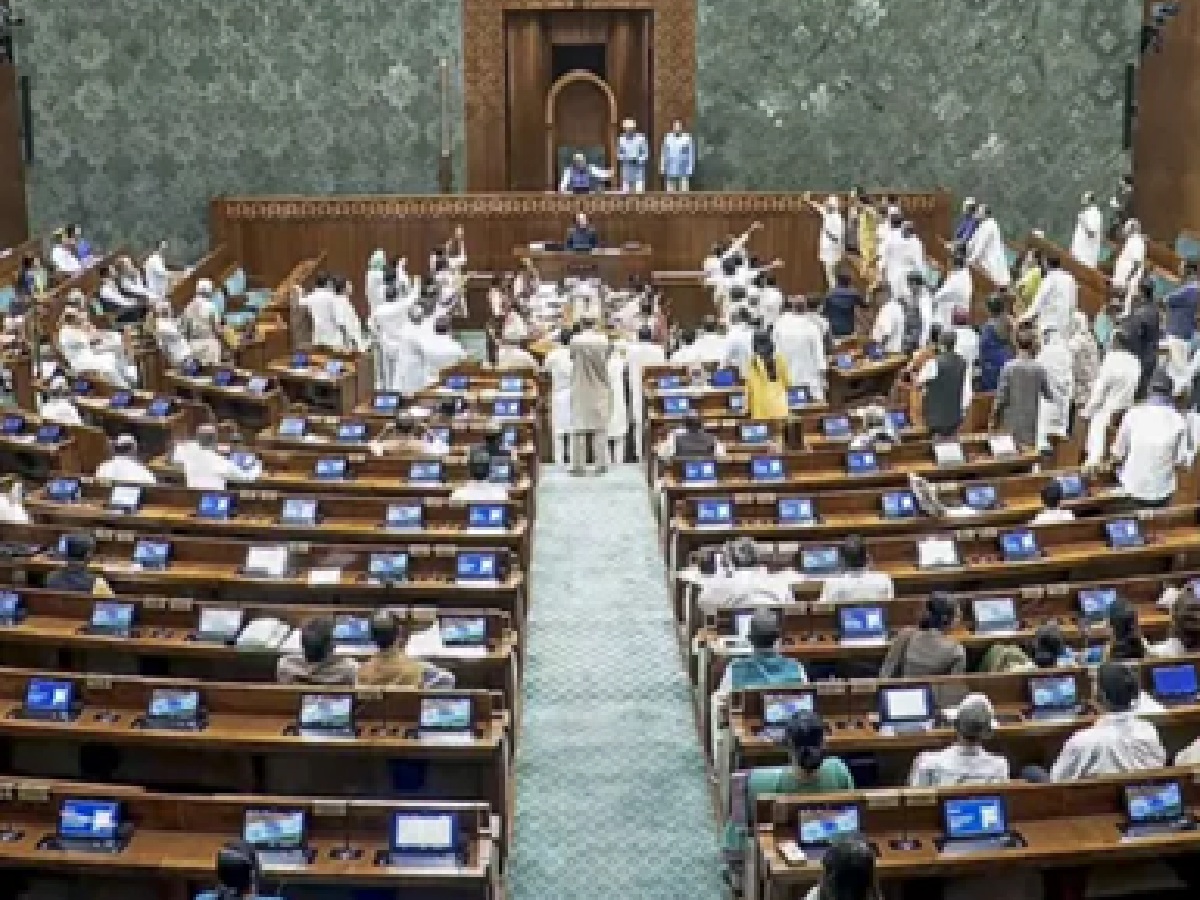
In a decisive move to dismantle organized paper leak syndicates and secure the integrity of competitive recruitment exams across the nation, the Union Government is prepared to table the 'Public Examinations (Prevention of Unfair Means) Amendment Bill, 2026' in Parliament this coming Monday. The proposed legislation introduces stringent legal provisions, heavy financial penalties, and strict time-bound judicial procedures aimed at safeguarding the futures of millions of youth across India. Designed as a robust deterrent against examination fraud, the law seeks to plug procedural loopholes and eradicate corruption in public recruitment drives.
Severe Penalties For Organized Syndicates And Maximum 10-Year Prison Terms Detailed In Draft Legislation
Under the proposed provisions of the draft bill, individuals caught employing unfair means or leaking examination papers face minimum imprisonment of 5 years, extendable up to 10 years, alongside fines up to ₹5 million. However, the legal hammer falls even harder on organized crime networks and cheating mafias, where the minimum prison sentence is elevated to seven years along with astronomical fines reaching up to ₹10 crore. This unprecedented penalty structure aims to completely paralyze the financial backbones of organized rackets profiting off compromised competitive testing systems.
Mandatory Two-Month Investigation Timeline And Fast-Track Courts To Accelerate Justice
A cornerstone feature of the 2026 Amendment Bill is the elimination of procedural delays in the investigation and prosecution of exam-related offenses. The proposed statute mandates that law enforcement agencies conclude all paper leak inquiries within a strict two-month deadline. Additionally, all States and Union Territories will be directed to establish dedicated fast-track courts to ensure swift trial completions, while cases prosecuted under associated anti-corruption laws must wrap up within three months from the chargesheet filing date, bringing rapid accountability to offenders.