
 Priyanka Tiwari
 Share
Share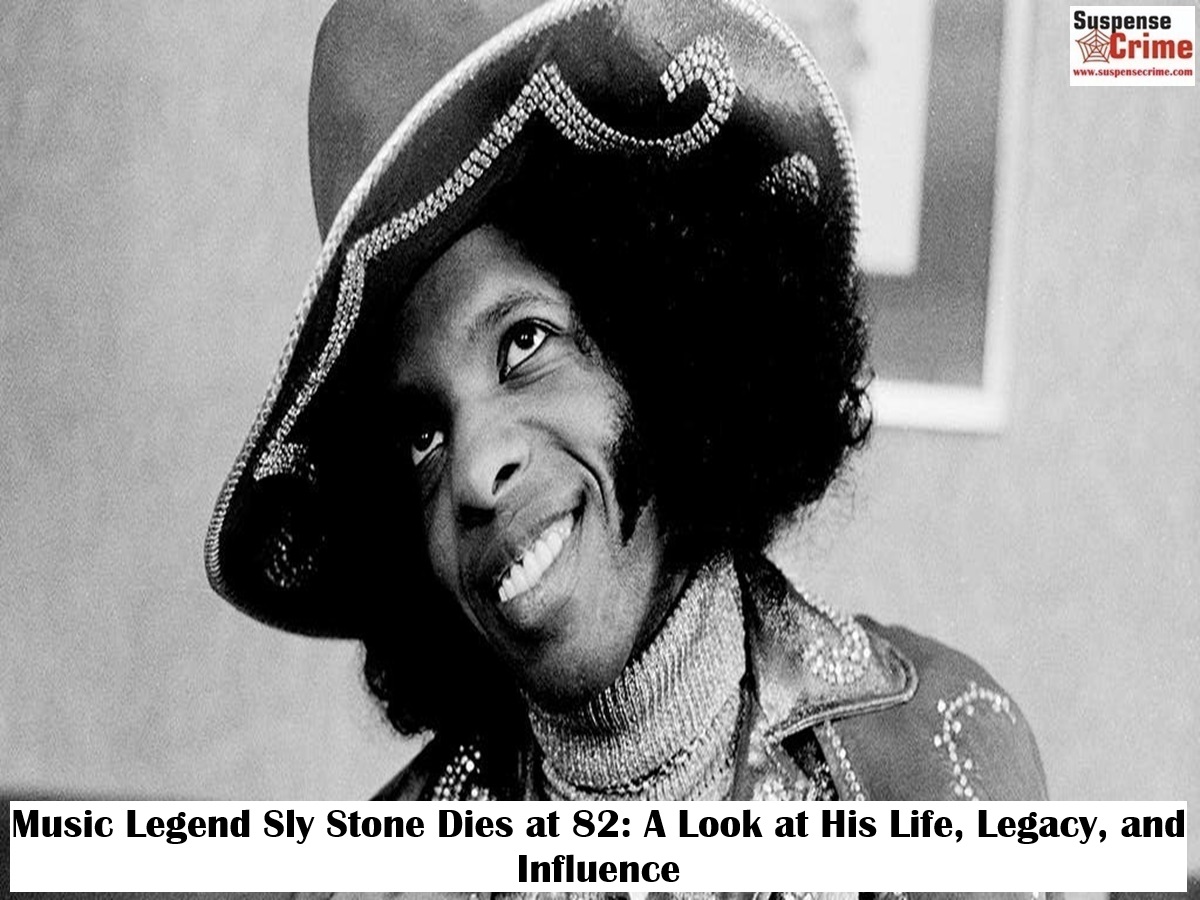
Suspense crime, Digital Desk : Sly Stone, the bold-spirited genius behind Sly and the Family Stone, has passed away at 82. He breathed new life into rock, soul, and funk, and in doing so ushered in one of musics first truly mixed-race, mixed-gender bands. His publicist says he died at home in Los Angeles, open-eyed and encircled by family, after years of wrestling with chronic obstructive pulmonary disease and assorted ills.
Sylvester Stewart opened his eyes in Denton, Texas, then grew up next to the shipyards of Vallejo, California. That restless duality-jazz rehearsals one night, church choirs the next-eventually propelled him toward nationwide fame.
Musical Breakthrough
A molten blend of horns, wah-wah guitar, call-and-response vocals, and nonstop groove, Sly and the Family Stones sound defied the neat boxes of the day. Radiant hits such as Dance to the Music cracked the pop charts in 1968 just as campus protests and city riots began filling the evening news. Tracks like Everyday People, Stand!, and Family Affair throbbed with a simple but daring message: there is room enough here for everybody.
Sly and the Family Stone practically exploded onto American television when they played The Ed Sullivan Show, then transfixed an entire festival goers at Woodstock in 1969. With his sequined outfits, gigantic shades, and clouds of hair, Sly turned the stage into a carnival, rattling the charts with a string of No. 1 singles and moving stacks of vinyl you could line across a football field.
By the early 1970s, the dizzying spotlight began squeezing from different angles-fame, racial labels, the tug of narcotics-and the weight showed. Sly relocated to L.A. and cameras caught late-night flares of drug drama between bursts of raw genius, yet the album that came out in that haze, Theres a Riot Goin On, pushed the funk envelope darker than anyone expected.
A few years later the band quietly pulled the curtain, and when Sly tried to fly solo again the winds refused to lift; records like Fresh fizzled, as did side projects that never matched the earlier lightning. One reunion disc, I Back! Family & Friends, hit in 1980, but touring slots slipped away, and sightings faded to the occasional sit-in-you almost had to blink or miss him.
Slys grooves never really fell silent, because Prince, Rick James, and Parliament-Funkadelic treated his catalog like show-and-tell homework for funk school. Hip-hop grabbed bits too: Dr. Dre, the Beastie Boys, even a teenaged Pharrell pilfered Slys riffs the way kids swipe candy from a corner store.
In 1993 the Rock Roll Hall of Fame slapped him with the gold badge, and a decade later the Grammys loaded up the statue for good measure; each trophy whispered to new listeners that legacy lives in seven-note wah-wah bursts. You turn on a modern pop radio station and somewhere in the mix, whether the DJ knows it or not, Slys heartbeat is still keeping time.
Read More: Mind-Blowing Picks Top 5 JioHotstar Web Series with Shocking Twists You Can’t Miss in Hindi