
 Priyanka Tiwari
 Share
Share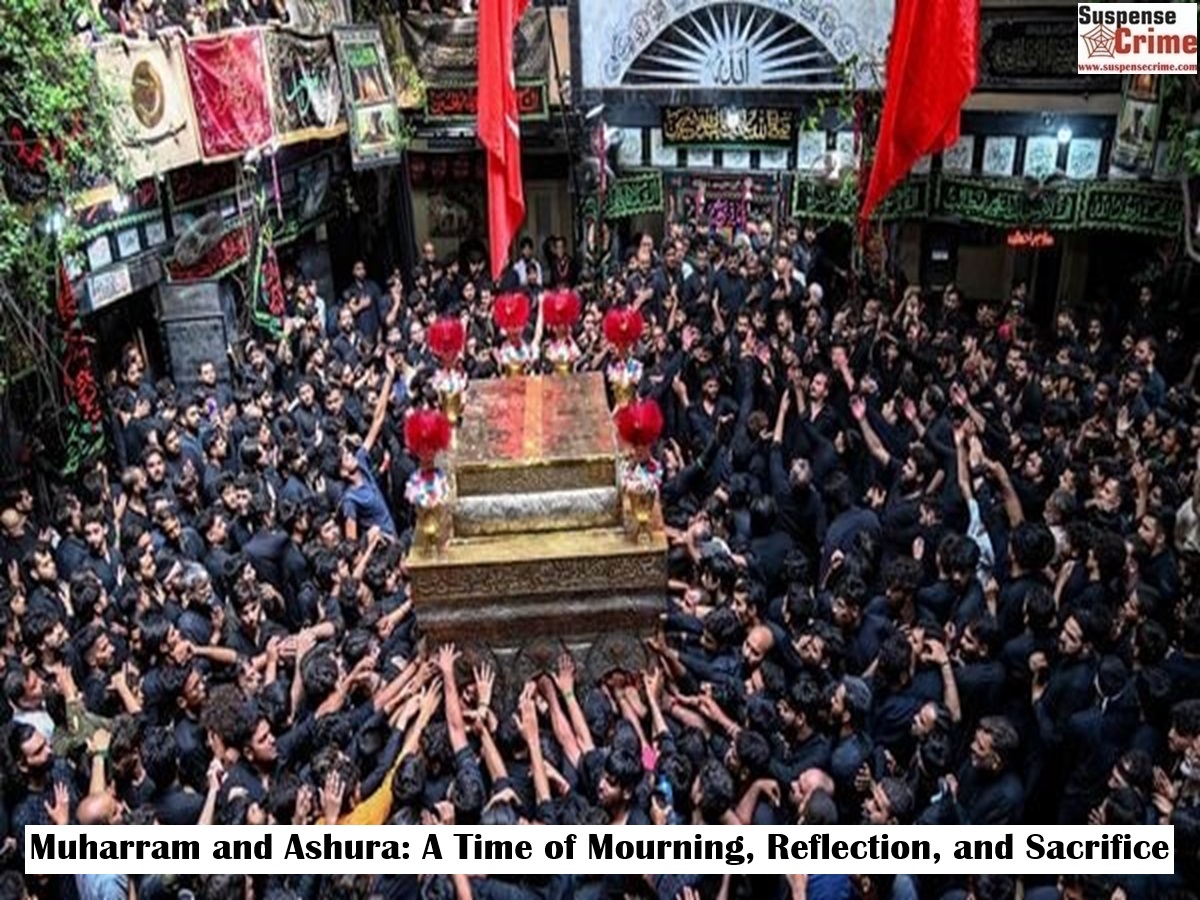
Suspense crime, Digital Desk : While many cultures mark the new year with celebration, the Islamic calendar begins with Muharram, a month of deep solemnity, reflection, and mourning. Far from being a festive occasion, it is a period dedicated to remembering one of the most tragic events in Islamic history.
In 2025, Muharram is expected to begin on or around June 28, with its most significant day, Ashura, falling on approximately July 7. (Note: As the Islamic calendar is lunar, the exact dates are subject to the sighting of the new moon.)
Here is a look at the significance of this sacred month and the rituals that define it.
The Core Significance: The Tragedy of Karbala
The profound sorrow associated with Muharram centers on its tenth day, known as Ashura. This day commemorates the martyrdom of Imam Hussein ibn Ali, the beloved grandson of the Prophet Muhammad, in the year 680 AD.
Imam Hussein, known for his piety and integrity, refused to pledge allegiance to the corrupt and tyrannical ruler of the time, Yazid I. Taking a stand for justice and the true principles of Islam, Imam Hussein, along with a small group of his family members and loyal companions, was intercepted by Yazid's massive army in the desert plains of Karbala (in modern-day Iraq).
For days, they were besieged and denied access to water. On the tenth day of Muharram—Ashura—Imam Hussein and his 72 followers were brutally martyred in a battle that was a massacre. This ultimate sacrifice in the face of overwhelming tyranny is remembered as a defining moment of courage, principle, and faith.
Rituals of Mourning and Remembrance
The observance of Muharram and Ashura varies between different Islamic sects, though both hold the period in high regard.
For Shia Muslims:
For the Shia community, Muharram is the most intense period of mourning in the year. The first ten days are dedicated to remembering the tragedy of Karbala. Devotees:
- Wear Black: As a symbol of grief.
- Attend Mourning Gatherings: Held in special halls called Imambargahs or Hussainiyas, where sermons are delivered recounting the events of Karbala.
- Recite Elegies: Poetic and sorrowful hymns (Nauhas and Marsiyas) that lament the suffering of Imam Hussein and his family are recited.
- Participate in Processions (Julus): Public processions are held, often featuring symbolic acts of grief, including chest-beating (Matam), to express empathy and solidarity with the pain of the martyrs. Some communities also stage passion plays (Taziyah) that re-enact the events.
The purpose of these rituals is not just to remember, but to internalize the lessons of Karbala: to stand against injustice, value sacrifice, and keep the memory of Imam Hussein's stand alive.
For Sunni Muslims:
Sunni Muslims also hold Ashura as a significant day, but the observance is different. For them, it is primarily a day of voluntary fasting. This tradition is rooted in the belief that on this day, the Prophet Musa (Moses) and his people were saved from the Pharaoh by God parting the Red Sea. Prophet Muhammad is said to have fasted on this day and recommended it to his followers.
In essence, Muharram serves as a powerful spiritual and moral reminder for Muslims worldwide—a time to reflect on sacrifice, justice, and the enduring struggle between right and wrong.