
 Priyanka Tiwari
 Share
Share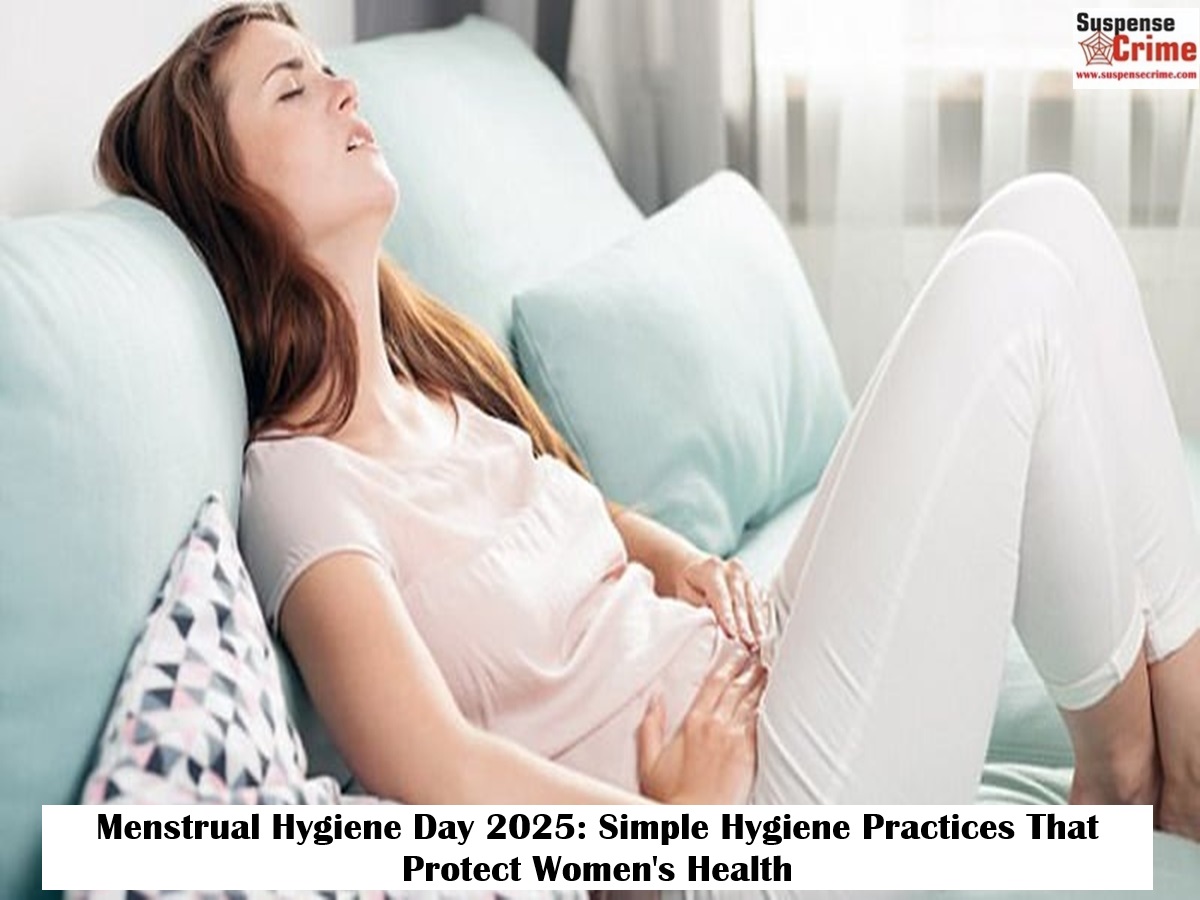
Suspense crime, Digital Desk : The process of menstruation happens in every woman’s life. Unfortunately, most of them do not have the proper guidance and resources that will help them manage this cycle in a safe manner. As pointed out by health professionals at the Menstrual Hygiene Day 2025 event, menstrual hygiene negligence is one of the main causes for infections, pain, and the risk of developing chronic illnesses. Lack of clean supplies escalated to the use of unsanitary facilities remains the primary concern of global public health.
What MHM (Menstrual Hygiene Management) Actually Is
"Menstrual hygiene is much more than simply the use of commercially available pads,” says Dr. Mannan Gupta, Chairperson and HOD, Obstetrics and Gynaecology at Elantis Healthcare, New Delhi. A good understanding of risk mitigation measures assists effective wound prevention. Adequate attention is directed to the use of sanitizable and non-dangerous materials, secluded spaces for undressing, timely removal, disposal, and appropriate retention of used materials.
The Most Common Sicknesses
Infections of the urinary and reproductive tract (UTIs and RTIs):
Neglecting to properly clean sanitary equipment, or leaving the equipment unclean makes for an excellent environment from which one may develop infections of the urinary and reproductive systems. These types of infections usually include UTI: Urinary Tract Infection and RTI: Reproductive Tract Infection, as the names imply. If such conditions are ignored, they may cause fatal issues in the future.
Skin allergies and fungal infections:
Skin irritability caused by wearing the wrong type of clothing with synthetic fabrics or wearing the clothing for elongated periods of time can lead to rashes. Adding moisture to the equation multiplies the risk of skin irritation yet again, opening up the possibility for the skin to become damaged. As a result, the need of the hour is to ensure that one uses corrective female clothing in moderation.
Increased Risk of HPV and Cervical issues:
Lasting infections compromise the cervical defences. This could make the individual more susceptible to contracting HPV as well as other reproductive health related concerns.
Social and Educational Impact:
Some secondary school adolescent girls miss classes or isolate themselves socially during their periods due to a lack hygiene management. This leaves a gap in their educational attainment which can deteriorate their overall mental health.
Helping Tips for Menstrual Hygiene Maintainance
Safely Clean:
Comfortable and flow based tampons, menstrual cups, cloth pads, or sanitary napkins should be used. All items should be clean and changed periodically.
Change To New Ones Every 4–6 Hours:
This cycle recommends four to six hour intervals in which replacing used items will lower the risk of bacterial build-up. During high flows, it’s recommended to change more often.
Gently Wash the Genital Area:
Warm water is the best option to do the washing. Soap or any other form of intimate wash will disturb pH levels and so should not be used.
Dispose What is Left Off Responsibly:
Used pads should be wrapped in paper before being placed in sanitary disposal bins. Reusable cloth pads should be clean washed with soap and then dried where they can get direct sunlight.
Read More: Soft & Spongy Rasgulla Secrets: How to Make 40 Pieces of White Rasgulla with Just 2 Cups of Milk