


Supreme Court Delivers Major Relief to Lalu Yadav: Refuses CBI Plea to Cancel Fodder Scam Bail
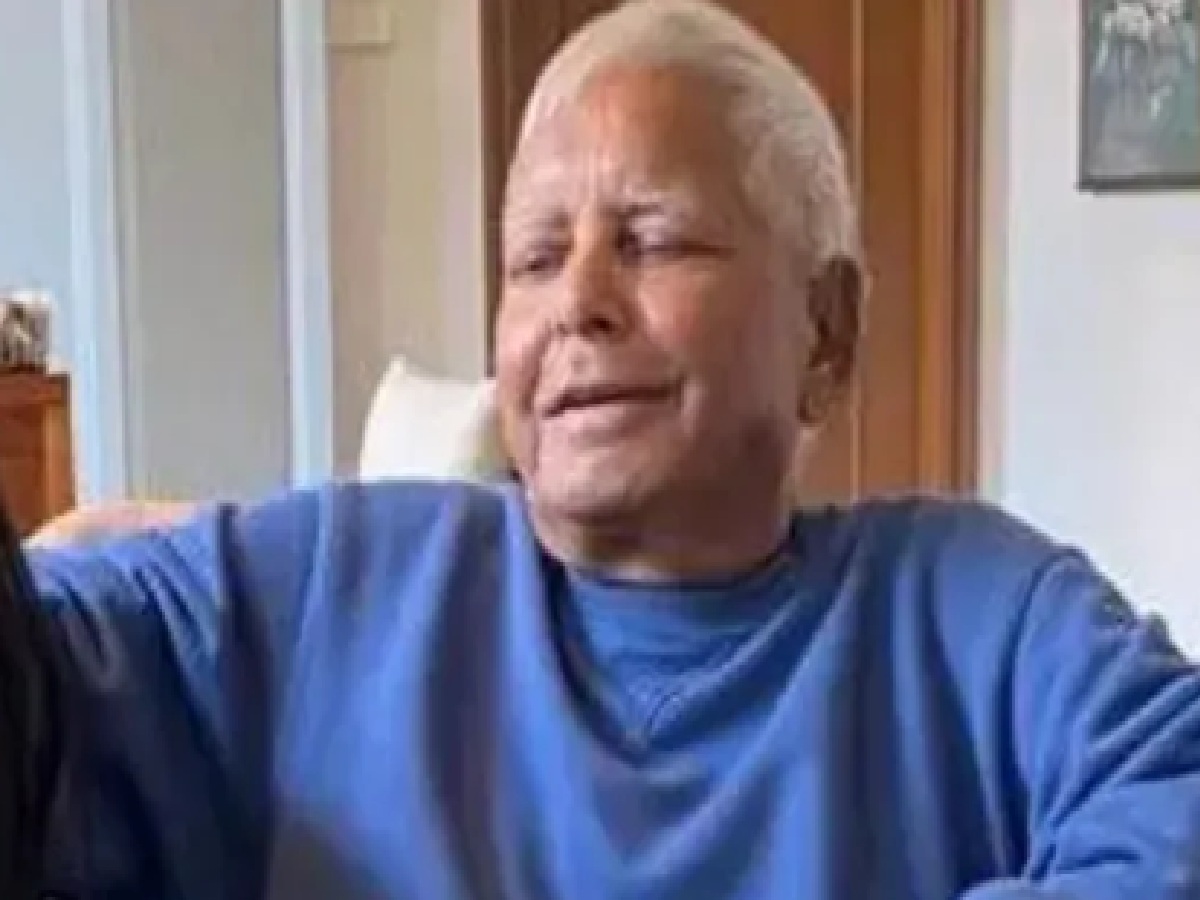
In a major legal development, Rashtriya Janata Dal (RJD) supremo and former Bihar Chief Minister Lalu Prasad Yadav has secured significant relief from the Supreme Court of India in connection with the infamous multi-crore fodder scam involving the Deoghar treasury case. Hearing the high-profile matter, the apex court firmly declined the Central Bureau of Investigation's (CBI) petition seeking the cancellation of the bail previously awarded to the veteran politician by the Jharkhand High Court. While keeping broader legal questions open for future consideration, the top court chose not to interfere with the ongoing liberty of the RJD leader.
Supreme Court Rejects CBI Petition to Revoke Liberty
The Central Bureau of Investigation had aggressively moved the apex court to challenge the Jharkhand High Court's order suspending Lalu Yadav's sentence and granting him bail. During the arguments, the Additional Solicitor General contended on behalf of the central probe agency that the High Court had granted relief on factually incorrect interpretations regarding the 50 percent sentence-completion rule, noting that previous applications had failed. However, the Supreme Court bench remained unpersuaded by the plea to immediately strip the veteran leader of his bail, ruling that absolute intervention was unwarranted at this precise juncture of the proceedings.
High Court Directed to Expedite Pending Appeal
While allowing Lalu Yadav to retain his freedom, the Supreme Court did not entirely dismiss the administrative concerns raised by the prosecuting authorities. The apex bench issued clear directives to the Jharkhand High Court instructing the state judiciary to fast-track the final hearings on the pending substantive appeals. The High Court has been urged to endeavor to dispose of the ongoing matter within a stipulated timeframe of six months, while the court explicitly emphasized that all underlying legal and technical points remain open for deep judicial review during upcoming sessions.

_1179421496_351x234.jpg)
_1599693474_351x234.jpg)
_598046956_351x234.jpg)
_1759362707_351x234.jpg)