










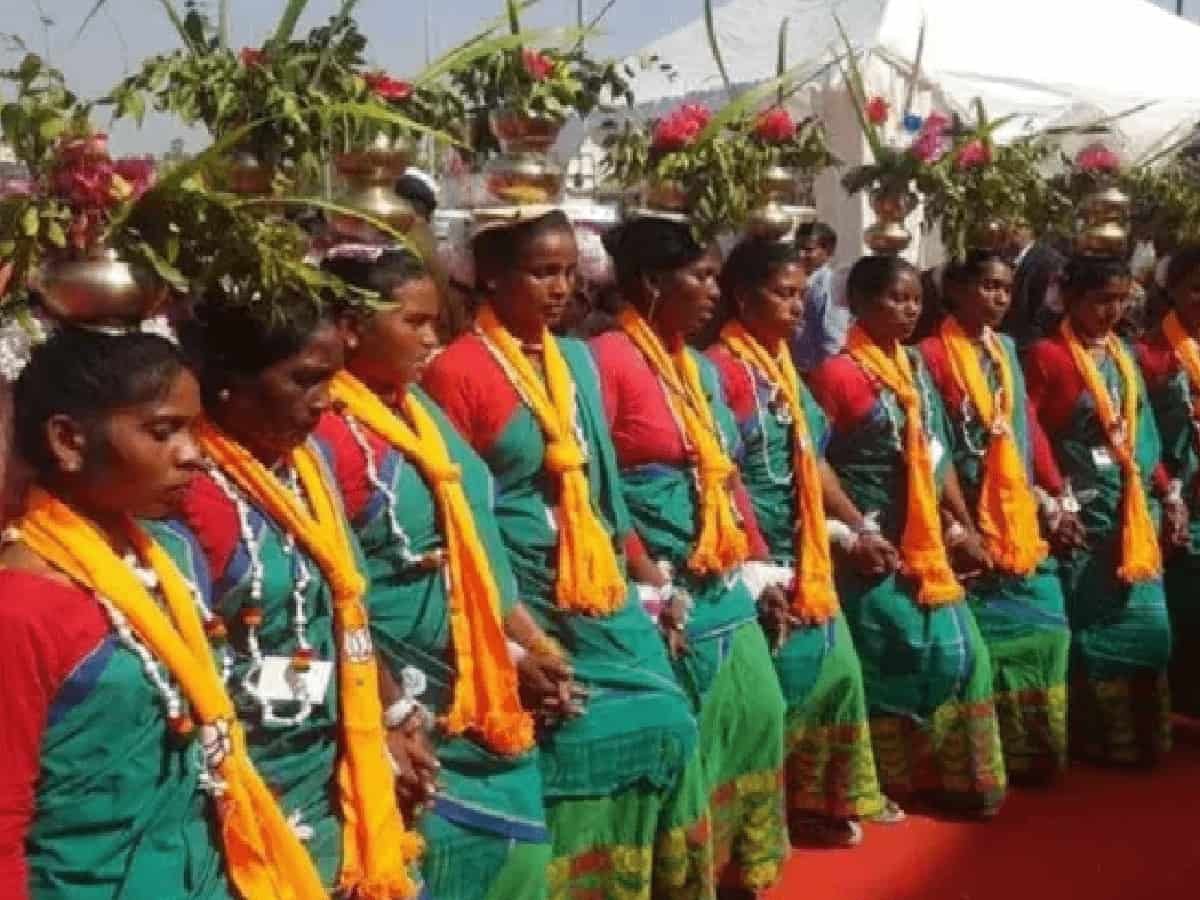
How Santhal Tribals Track Festivals by the Moon Without a Calendar
Long before printed almanacs, wall calendars, or smartphone apps became everyday tools for checking auspicious dates, the Santhal tribal community developed an intricate, living system of timekeeping rooted directly in the night sky and the changing rhythms of the forest. Deeply reverent toward nature—where hills, sal groves, rivers, crops, the sun, and the moon form the foundation of spiritual life—Santhal society still determines the exact timing of its religious festivals, agricultural rituals, and marriages not from a printed panchanga, but by observing lunar phases (new moon, full moon, waxing, and waning cycles) alongside seasonal cues in flora and weather. Passed down orally from generation to generation through village elders and traditional heads (Manjhi Hadam and Naeke), this unwritten astronomical wisdom comes alive every year during Kartik Purnima—known in Santhali tradition as Sohrai Kunami—when hundreds of thousands of devotees gather at Luguburu Ghantabari Dhoromgarh in Jharkhand's Bokaro district for the annual international Santhal religious conference. For readers, cultural researchers, and heritage enthusiasts across northern and eastern India—including communities in Uttar Pradesh cities such as Unnao, Kanpur, Lucknow, Prayagraj, and Varanasi, where Kartik Purnima full-moon observances also mark major river and lamp festivals—the Santhal lunar tradition offers a remarkable window into indigenous ecological science.
How Santhali Months Mirror Seasons, Forests, and Farming Cycles
Although the twelve months of the Santhali lunar year share phonetic kinship with traditional Indian lunar months, each carries a distinct cultural identity tied directly to agrarian duties, forest blossoms, and seasonal shifts:
| Santhali Month | Corresponding Lunar Month | Key Seasonal & Ritual Significance |
| Poos | Paush | Deep winter period; marriages and auspicious household ceremonies are traditionally paused. |
| Magh | Magh | Magh Puja performed at the sacred village grove (Jaher Than), traditionally featuring a ceremonial meal for young boys. |
| Phalgun | Phalgun | Baha Parva (Flower Festival) celebrated within five days of the first new moon sighting as palash and sal blossoms open. |
| Chait & Baishakh | Chaitra & Vaishakh | Spring transition and pre-monsoon soil preparation across Chhotanagpur villages. |
| Jheth | Jyeshtha | Rohan / Rohini Puja observed on the 13th day of the month before sowing paddy seeds in the fields. |
| Ashad | Ashadha | Ashadiya Puja held collectively at the Jaher Than on a date decided by village consensus for timely monsoon rains. |
| San | Shravan | Chitoh observed roughly a week before the full moon; Gomaha aligns with the Raksha Bandhan full-moon window. |
| Bhador & Dashain | Bhadrapada & Ashwin | Late-monsoon crop care and autumn community gatherings. |
| Kartik & Aghada | Kartik & Margashirsha | Sohrai harvest and cattle-worship festivities culminating on Kartik Purnima (Sohrai Kunami). |
From Sohrai to Baha: Festivals Anchored in Gratitude to Nature and Livestock
Across the Chhotanagpur plateau and neighboring tribal belts of Jharkhand, West Bengal, Odisha, Bihar, and Chhattisgarh, every major Santhal festival expresses gratitude for harvests, cattle, and ecological balance:
-
Sohrai and Sohrai Kunami: Celebrated after the autumn harvest around the Diwali new moon (Saloy Rani / Kali Puja on Amavasya) and culminating on the Kartik Purnima full moon (Sohrai Kunami), Sohrai honors domesticated cattle. Families perform God Puja outdoors and Gohal Puja inside cattle sheds, alongside traditional Dangra Khunta (or Barad Khunta) rituals akin to Govardhan Puja.
-
Baha Parva: Marking the arrival of spring in Phalgun when palash and mahua trees burst into bloom, Baha celebrates the purity of new forest flowers before they are harvested for daily use.
-
Magh and Ashadiya Pujas: Centered at the Jaher Than—the sacred grove of sal trees preserved on the edge of every traditional Santhal village—these collective rituals seek protection for crops, livestock, and village harmony.
Shukla Paksha Marriages and the Guardianship of Village Elders
As Manjhi Hadam Gopal Hansda of Bansgoda explains, lunar calculations govern personal milestones just as closely as community festivals. In Santhal custom, weddings and auspicious family ceremonies are traditionally scheduled during Shukla Paksha—the bright, waxing fortnight of the moon symbolizing growth and prosperity—while marriages are strictly avoided during the winter months of Poos and Magh.
Without a single printed chart, village elders (Manjhi Hadam), priests (Naeke), and community assemblies watch the evening horizon, track lunar crescents, and read natural signs—from blooming forest trees to shifting winds—to announce festival dates by consensus. Embodied every year at Luguburu Ghantabari on Kartik Purnima, this living lunar calendar stands as a testament to centuries-old oral science and reverence for the natural world.






