










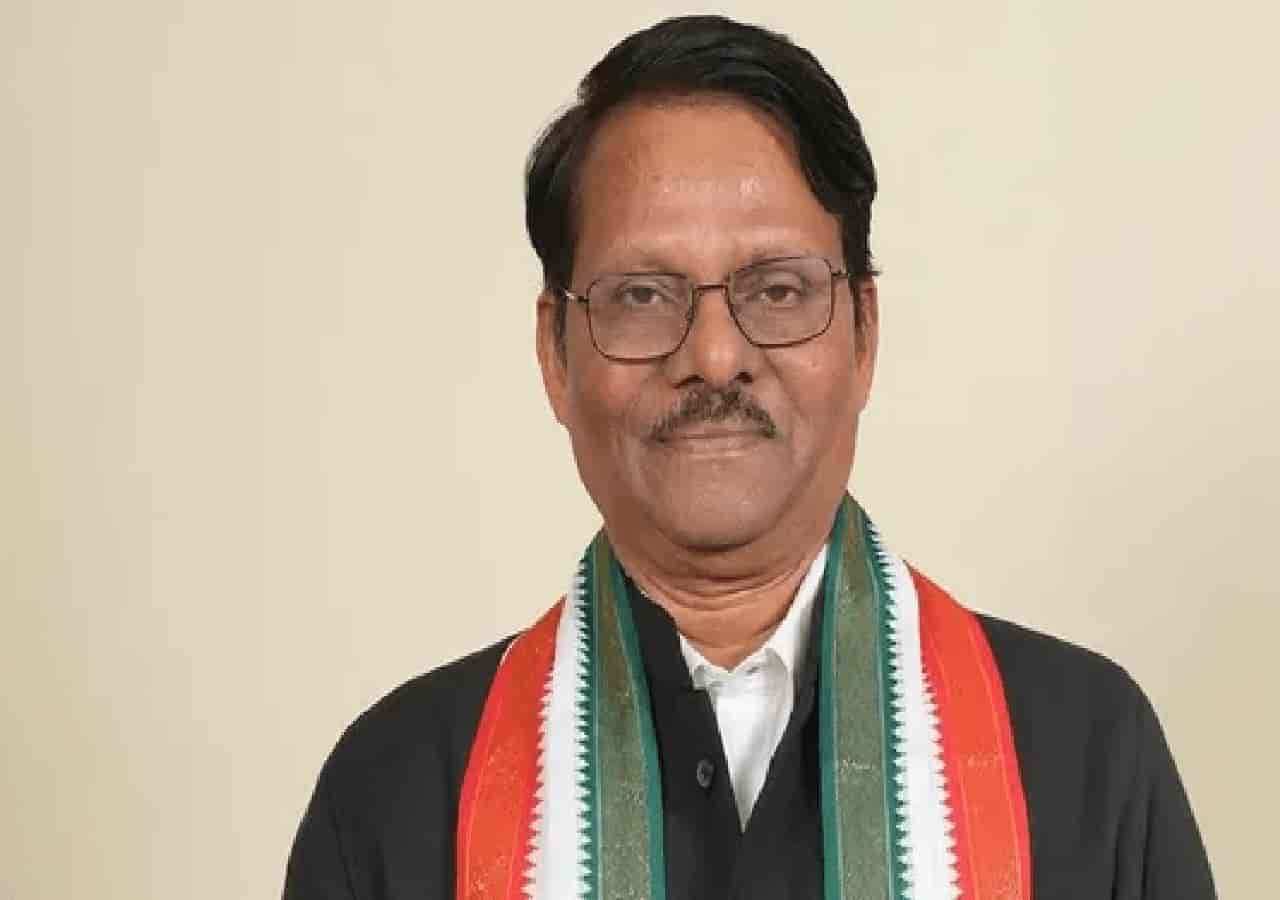
Congress Urges JMM to Oppose Delimitation Bill Over Tribal Seats
On the eve of the Centre's move to table the Delimitation Bill in the Lok Sabha on Monday, November 30, 2026, the Congress has formally reached out to INDIA bloc allies—and issued a pointed appeal to Jharkhand ruling partner Jharkhand Mukti Morcha (JMM)—urging united opposition to the proposed legislation. In a communication sent on Sunday, November 29, 2026, Congress Working Committee permanent invitee and AICC in-charge for Jharkhand K. Raju contended that while the proposed framework envisages a 50 percent increase in Assembly and parliamentary seats, it lacks a corresponding constitutional safeguard to expand Scheduled Tribe (ST) reserved seats by the same proportion. According to Congress calculations, preserving Jharkhand's existing share of tribal representation requires raising the state's 28 ST-reserved Assembly seats to 42, whereas reorganizing constituencies under the bill's 1971 census benchmark would cap tribal seats at 34—effectively diluting Adivasi political voice. Across Uttar Pradesh—especially in state capital Lucknow and neighboring political and academic hubs such as Unnao, Kanpur, Prayagraj, and Varanasi, where national parliamentary arithmetic, Delimitation Bill projections for UP, and opposition alliance cohesion are closely tracked—Congress's outreach to Hemant Soren's JMM highlights high-stakes coalition dynamics ahead of Monday's special sitting.
Why Congress Says the Delimitation Formula Hurts Jharkhand's Tribal Share
| Seat / Institutional Parameter | Congress Argument & JMM Context |
| Overall Seat Expansion vs. ST Quota | Bill proposes a 50% increase in Assembly and Lok Sabha seats, but Congress says it lacks a matching constitutional amendment raising ST-reserved seats by 50% |
| Jharkhand Assembly ST Seat Math | Current ST seats stand at 28; maintaining proportional share under a 50% expansion requires 42 seats, whereas the 1971 census formula allegedly caps ST seats at 34 (alongside 5 of 14 Lok Sabha seats currently reserved for STs) |
| Delimitation Commission Concerns | Congress flagged sweeping powers proposed for a Delimitation Commission featuring a Supreme Court judge chosen by the Prime Minister, Chief Election Commissioner Gyanesh Kumar, and state Chief Electoral Officers, citing earlier concerns around the Special Intensive Revision (SIR) |
| JMM's Current Stance | Chief Minister Hemant Soren met JMM's six MPs in Ranchi on Saturday to review the draft texts, stating JMM will announce its final decision after expert study and insisting any overall seat rise must include a proportionate increase in ST seats |
K. Raju's Warning on Centralization of Power and the Delimitation Commission
In his appeal to alliance partners, K. Raju framed opposition to the Delimitation Bill not merely as a test of INDIA bloc solidarity, but as an existential question for tribal political empowerment in Jharkhand. Beyond the numerical gap between 34 and 42 reserved Assembly seats, the Congress communication raised alarm over the institutional architecture of the proposed Delimitation Commission—set to include a Supreme Court judge selected by the Prime Minister, Chief Election Commissioner Gyanesh Kumar, and state-level Chief Electoral Officers. Linking those powers to controversies surrounding the Special Intensive Revision (SIR) electoral-roll exercise, Congress argued that granting unchecked authority to redraw India's electoral boundaries risks centralizing power and reshaping constituencies for partisan gain.
Where Hemant Soren and the JMM Stand Ahead of Monday's Lok Sabha Sitting
Congress's public nudge comes as Jharkhand Mukti Morcha leadership weighs its final parliamentary strategy ahead of Monday's special sitting. Following a review meeting in Ranchi with JMM's three Lok Sabha MPs (Vijay Hansdak, Nalin Soren, and Joba Manjhi) and three Rajya Sabha MPs (Mahua Maji, Sarfaraz Ahmad, and Baidyanath Ram), party leaders indicated that Chief Minister Hemant Soren is examining the revised bills with legal and constitutional experts before declaring a final stand. Expressing confidence that JMM will stay true to its legacy of championing social justice and Adivasi rights, K. Raju urged the party to stand firmly with opposition allies in Parliament to protect federal balance, democratic integrity, and proportionate tribal representation.






