










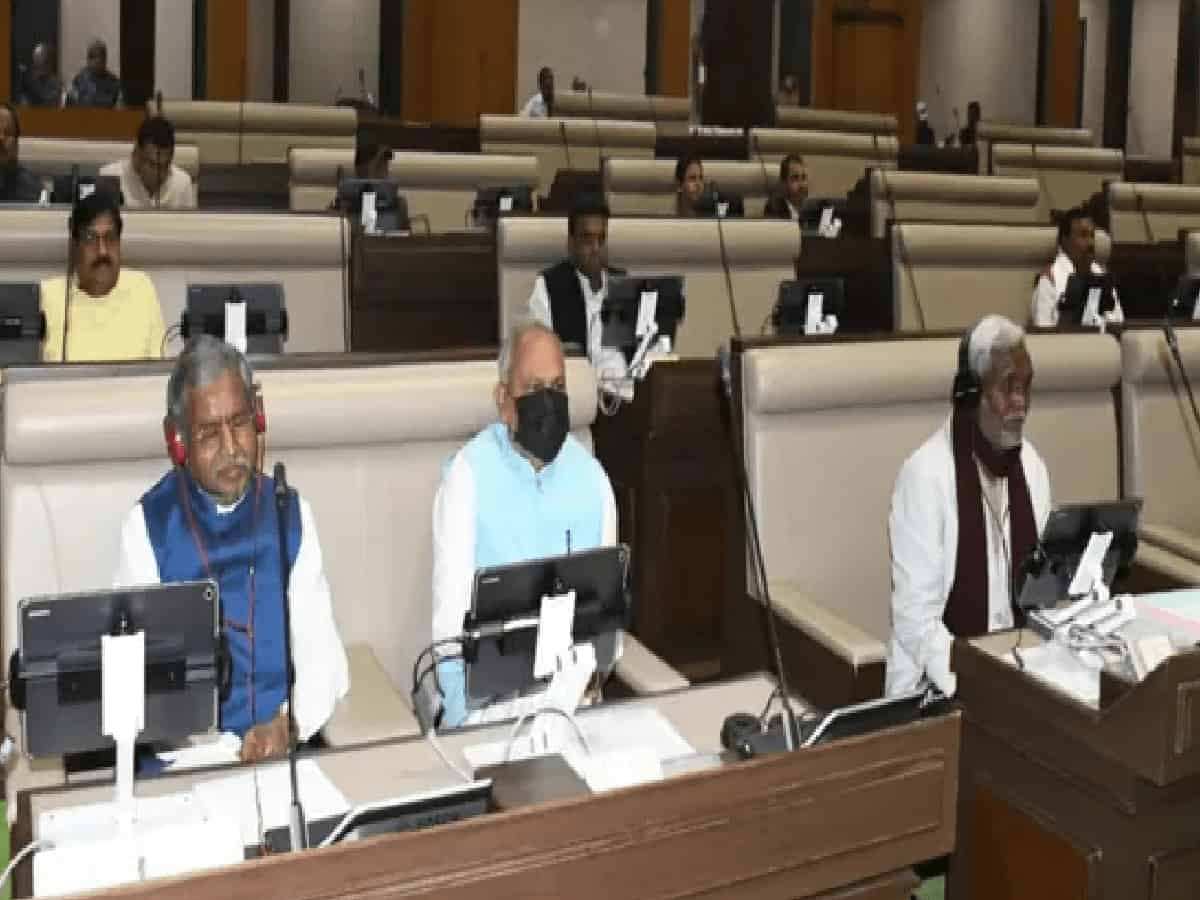
Champai Soren Roars in Jharkhand Assembly Over Tribal Land Infiltration
The post-lunch sitting on the opening day of the Jharkhand Legislative Assembly's special session in Ranchi on Wednesday, November 25, 2026, turned into an intense political flashpoint after former Chief Minister and BJP MLA Champai Soren launched a blistering attack on the ruling coalition over alleged infiltration and encroachment on protected tribal lands across Santhal Pargana and Kolhan. Repeatedly challenged by treasury-bench legislators to identify where illegal infiltrators were located in Jharkhand, the veteran Saraikela legislator—the sole BJP MLA elected from a Scheduled Tribe reserved constituency in the 6th Jharkhand Assembly—cited specific villages, land-tenancy laws, and welfare rolls to argue that indigenous tribal, Mahato, and moolvasi populations are steadily disappearing from their ancestral settlements. His speech triggered repeated interruptions from cabinet ministers and ruling-party MLAs, prompting Assembly Speaker Rabindra Nath Mahato to briefly mute Soren's microphone on grounds of expiring time before granting him an additional two minutes when Soren refused to yield the floor. For political watchers, constitutional analysts, and readers across northern and eastern India—including readers in Unnao and neighboring Uttar Pradesh hubs such as Lucknow, Kanpur, Prayagraj, and Varanasi, where demographic debates, tribal land protections, and Special Intensive Revision (SIR) politics attract close national attention—Wednesday's fiery exchange underscored the deep polarization shaping Jharkhand's legislative discourse.
What Specific Locations and Land Claims Did Champai Soren Place Before the House?
Responding directly to ruling-alliance legislators' demands for concrete names and places, Champai Soren laid out region-by-region allegations covering Santhal Pargana, Kolhan, and Jamtara:
| Region / Constituency Cited | Champai Soren's Allegations in Jharkhand Assembly (Nov 25, 2026) |
|---|---|
| Santhal Pargana (Sahibganj & Pakur) | Claimed that across roughly six dozen villages—including Malpahari, Bhognadih, Pitajuri, and Barhait—which were once inhabited exclusively by Adivasis, Mahatos, and moolvasis, indigenous residents have vanished and Santhal Pargana Tenancy (SPT) Act land has been occupied by a single community. |
| Kolhan Region (Kapali) | Alleged that in newly settled Kapali—where 80 percent of the land belongs to tribals once inhabited by Santhal, Oraon, and Mahato families—22 "Islamnagar" settlements have sprung up, questioning where thousands of new settlers arrived from. |
| Chakulia & Ghatsila (East Singhbhum) | Claimed that in Matiabandhi (Chakulia), despite the absence of local Muslim households, thousands of birth certificates were issued, and alleged that in Ghatsila, 300 ineligible beneficiaries were enrolled under the state's flagship Maiya Samman Yojana. |
| Jamtara District | Retorting sharply to repeated interruptions by Health Minister Irfan Ansari, Soren alleged that 100 acres of tribal land in Jamtara had been encroached upon and offered to show the sites on the ground. |
How Ruling JMM and Congress Ministers Counter-Attacked Champai Soren
Before the day's sitting adjourned—with Parliamentary Affairs Minister Radhakrishna Kishore quipping sarcastically that "if Champai Da speaks a little less, his chances of returning to this side might improve," sparking fresh uproar—five prominent treasury-bench leaders mounted a coordinated counter-offensive accusing Soren of abandoning his ideological roots and sowing communal discord:
-
Agriculture & Animal Husbandry Minister Shilpi Neha Tirkey: Remarked that Champai Soren began his political career fighting against moneylenders (mahajani pratha) but now sits alongside those very forces, adding that while the House debate concerned SIR, Soren was diverting into land issues and challenging him to hold a full special session examining who settled in Hatia and Ranchi.
-
Health Minister Irfan Ansari: Asserted that Adivasis and Muslims have coexisted peacefully in Jharkhand for generations, accusing Soren of trying to manufacture a divide and asking him to explain how former CM Raghubar Das from Chhattisgarh settled in Jharkhand and became Chief Minister if he wished to invoke CNT and SPT tenancy laws.
-
JMM MLA Hemlal Murmu (Littipara): Accused Soren of distorting history regarding Bhognadih—the historic birthplace of the 1855 Santhal Hul rebellion—noting that minority families have lived alongside tribals there harmoniously since the Hul era and alleging that Soren's frequent visits aim to instigate friction.
-
JMM MLA Umakant Rajak (Chandankiyari): Pointed out that Champai Soren has represented Saraikela for nearly 30 years, challenging him to explain in detail who replaced indigenous tribal villagers in Adityapur and Gamharia within his own assembly constituency.
-
Congress MLA Kumar Jaimangal 'Anoop' Singh (Bermo): Reminded the House of Soren's decades-long association with JMM patriarch Shibu Soren ("Guruji") and noted that Hemant Soren had entrusted the Chief Minister's chair to him—observing pointedly that everything in Jharkhand appeared fine to Soren while he held office on the treasury benches, only turning problematic once he crossed over to the BJP.
Political Stakes as the Special Session Continues
With the ruling coalition rallying around its SIR resolution while Champai Soren doubles down on tribal land-alienation and demographic-change claims across Santhal Pargana and Kolhan, the clash inside Ranchi's Vidhan Sabha chamber underscores how identity, tenancy laws, and electoral roll verification remain the defining battlegrounds of Jharkhand politics.






