
 Priyanka Tiwari
 Share
Share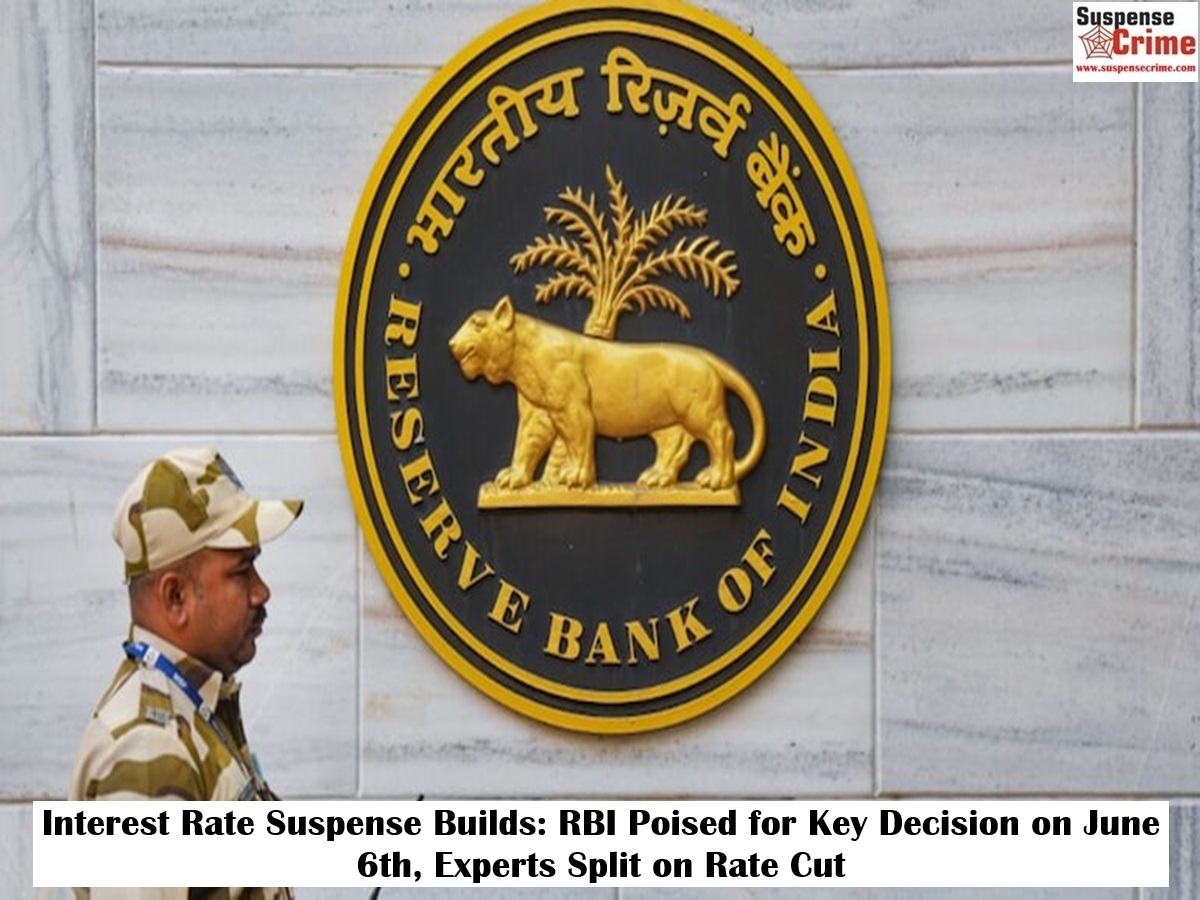
Suspense crime, Digital Desk : All eyes are on the Reserve Bank of India (RBI) as its Monetary Policy Committee (MPC) gears up for its crucial bi-monthly review, with a key announcement expected on June 6th. This meeting is particularly significant as the central bank will decide on whether to cut its benchmark interest rate – the repo rate – for what could be the third time in a row.
The repo rate is the interest rate at which the RBI lends money to commercial banks. A cut in this rate can potentially lead to lower loan EMIs (Equated Monthly Installments) for consumers and cheaper borrowing costs for businesses, thereby aiming to stimulate economic activity.
However, the path forward isn't clear-cut, and economists are divided on what the RBI will, or should, do.
The Case for Another Rate Cut:
Some experts believe another rate cut is warranted to further support economic growth, which has shown signs of moderation. They might point to easing core inflation (which excludes volatile food and fuel prices) and the need to ensure adequate liquidity (availability of funds) in the financial system. A rate cut could also be seen as a proactive measure if global economic conditions appear to be slowing or if other major central banks are signaling a move towards easing their own policies.
The Case for a Pause (No Cut):
Conversely, a significant number of economists advocate for a pause. Their primary concern is persistent inflation, particularly food inflation, which remains stubbornly high and directly impacts household budgets. The overall inflation rate, while having moderated from its peaks, is still hovering above the RBI's comfort zone and its medium-term target of 4%.
These experts argue that the RBI should wait for the full impact of the previous two rate cuts to filter through the economy. They also suggest observing the monsoon's progress, which significantly influences agricultural output and, consequently, food prices, before making further moves. Global uncertainties, such as volatile crude oil prices and ongoing geopolitical tensions, also support a more cautious, "wait-and-watch" stance.
RBI's Balancing Act:
The RBI's MPC faces a delicate balancing act: nurturing economic growth without stoking inflationary pressures. They will meticulously analyze a vast array of domestic and international economic indicators, including the latest growth figures, inflation trends, and global financial conditions, before arriving at their decision.
The financial world will be watching closely on June 6th to see which way India's central bank leans. The decision will have wide-ranging implications for the country's economy, businesses, and the financial well-being of everyday citizens.
Read More: SBI Reclaims Title as India's Second Most Valuable Bank, Overtaking ICICI Bank in Market Cap Surge