Priyanka Tiwari
 Share
Share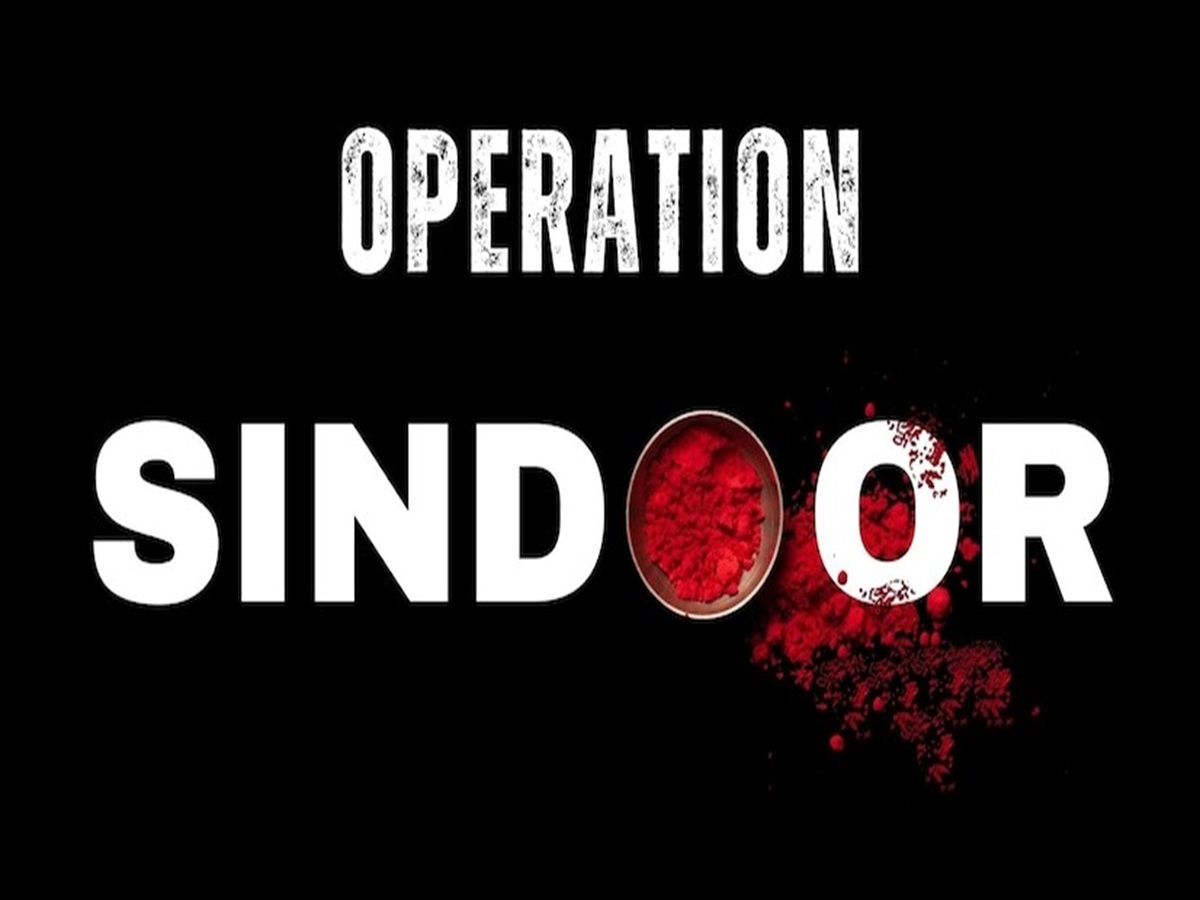
Suspense crime, Digital Desk : In the tense hours following India's 2019 Balakot airstrike, a secret, high-stakes diplomatic mission was launched from New Delhi. Codenamed "Operation Sindoor" by veteran diplomat Syed Akbaruddin, this was the crucial second front in India's response to the Pulwama terror attack—a battle for global opinion fought not with jets, but with carefully chosen words.
Akbaruddin, who was India's Permanent Representative to the UN at the time, has provided a rare inside look into this meticulously planned diplomatic blitz. He reveals that while the Indian Air Force's mission was to strike a Jaish-e-Mohammed (JeM) terror camp deep inside Pakistan, the government’s parallel mission was to frame the narrative before Pakistan could.
The strategy was masterminded by the highest levels of Indian leadership, including Prime Minister Narendra Modi, National Security Advisor Ajit Doval, and then-Foreign Secretary Vijay Gokhale. The core of the plan was to immediately and consistently label the airstrike a "non-military, pre-emptive action."
This phrase was key. It signaled to the world that India’s target was not the Pakistani military or its civilians, but a specific terrorist infrastructure. The first shot in this information war was fired by S. Jaishankar, who addressed the media not as the Foreign Secretary, but as a representative of the Indian government, underscoring the gravity of the message.
Akbaruddin explains the "Operation Sindoor" metaphor: just as applying sindoor (vermilion) on a bride's forehead after a wedding ceremony publicly legitimizes the union, this diplomatic outreach was meant to legitimize India's military action on the world stage. The airstrike was the event; the global explanation was the public validation.
"Our outreach was to tell them that we have undertaken a limited, targeted, counter-terrorism strike," Akbaruddin explained. "We are not interested in escalating, but we will not sit by and be victims of terrorism."
Indian ambassadors across the globe, having been put on high alert, swung into action. They immediately contacted their host governments, particularly the P5 nations (US, UK, France, Russia, and China), to deliver India's precise and unified message. This rapid, coordinated effort successfully pre-empted Pakistan's attempts to portray itself as a victim of aggression.
According to Akbaruddin, the global response was a "revealing picture." It showed which nations stood with India, which were neutral, and which sided with Pakistan. Ultimately, the operation was a resounding success. India faced no significant international condemnation, and the global focus remained squarely on Pakistan's role in sponsoring cross-border terrorism.
This episode, as detailed by Akbaruddin, marked a pivotal shift in Indian foreign policy. It demonstrated a newfound confidence to not only act decisively against terrorism but also to proactively manage the diplomatic fallout, ensuring that India, not its adversary, controlled the story.