
 Priyanka Tiwari
 Share
Share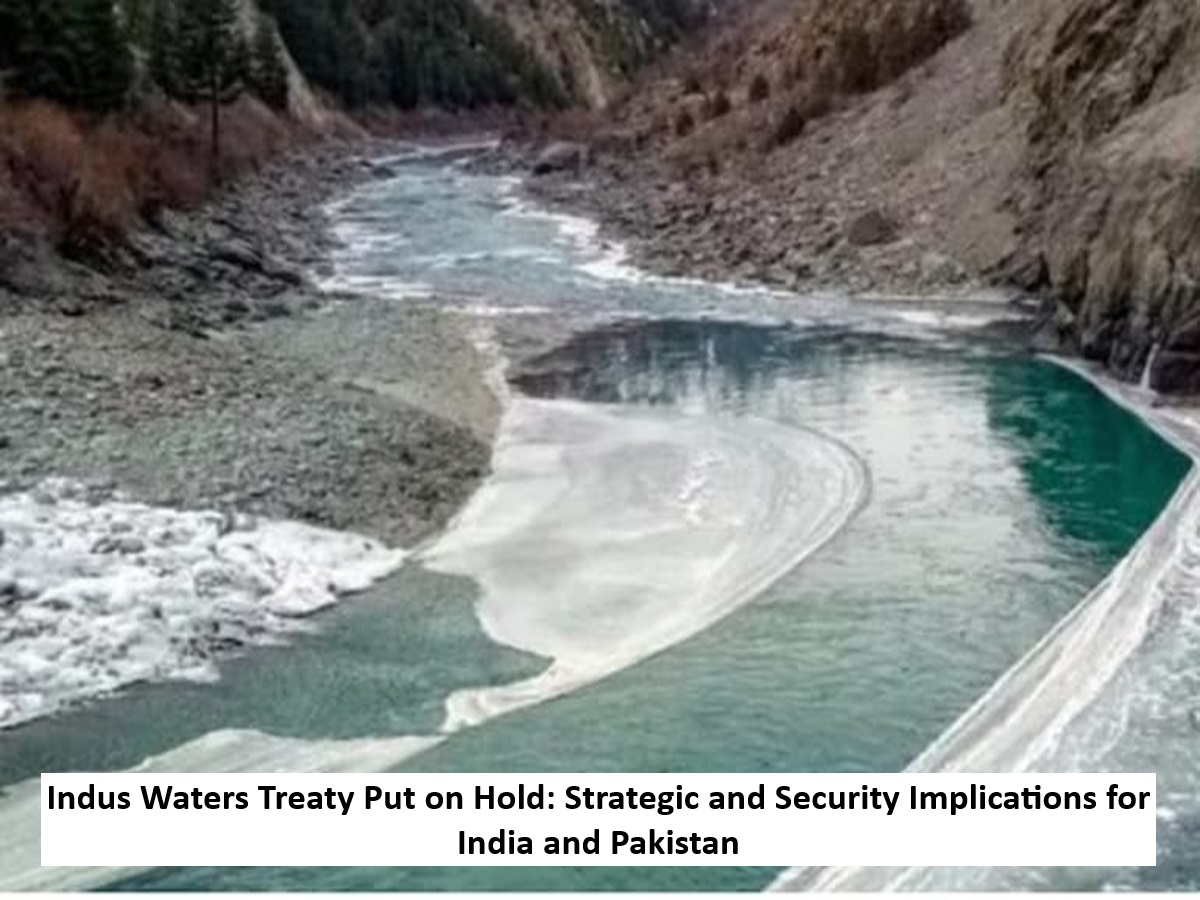
Suspense crime, Digital Desk : With increasing political and diplomatic tensions, on the 17th of June, Indian Prime Minister Narendra Modi said the Indus Waters Treaty (IWT) is in abeyance. This effectively means that India will not be abiding by this water-sharing agreement signed in 1960, causing alarm and criticism in Pakistan especially from its Prime Minister Shehbaz Sharif and army chief Gen Asim Munir.
Unequal Water Distribution at the Core
Pakistan’s allocation of consumable water under IWT stands at approximately 135 Million Acre Feet (MAF), and India’s at only 33 MAF which is 20% of the volume of the Indus Basin. This disparity in allocation has been a perpetual problem for Indian policymakers who cite that the treaty limits India’s capability of managing its water resources.
Focus on Jhelum River and Dredging Wular Lake
The Jhelum River among the Western Rivers allocated to Pakistan, is of particular importance as its average annual flows are of the order of 21–22.6 MAF. The Mangla Dam built with post treaty international aid has also augmented its altitude due to siltation which has slashed its capacity significantly.
Since the IWT is now suspended, Indian policy strategists highlight the need for reviving the dredging of Wular Lake, a critical flood prevention infrastructure that was suspended after the 2012 terrorist attack by Hizbul Mujahideen. The lake functions as a natural water storage and its restoration can help mitigate floods and improve water level management beyond the Jhelum.
2012 Attack on Dredging Work Halted Key Flood Prevention
Aug 2012 saw an ISI sponsored attack on the dredging works on Wular’s Adipora region which led to a complete halting of all flood prevention activities. Taj Mohiuddin, a state minister at the time, had cautioned that stopping the dredging would make Kashmir susceptible to severe floods. Taj’s fears became a reality in Sep 2014 when unprecedented rainfall led to disastrous flooding throughout the Kashmir region.
Treaty Allows Flood Control Projects
Appendix E of the Indus Waters Treaty allows India to construct flood control works on Jhelum. This legal framework supports disaster risk reduction projects like Wular dredging which may require active construction. Wular Paragraph 9 of the appendix stipulates India “may construct on Jhelum Main such works as it may consider necessary for flood control.”
Broader Implications of IWT Suspension
The suspension IWT is an apparent shift in the geopolitical landscape and is likely to increase bilateral hostilities further. It also brings focus onto the waters internally especially in the case of Kashmir where infrastructure initiatives like Wular dredging could now be expedited. Such moves however could invite some degree of defense counter measures as has gone history.
The other day, the Terror strike on the Pahalgam on April 22 slated for the Hindu tourists, has added complications to the relations and the nexus of cross border terrorism and strategic infrastructure in the region has come to the fore.
Read More: Election Strategy or Governance? Congress Slams Centre Over Surprise Special Session of Parliament