Desk
Desk Share
Share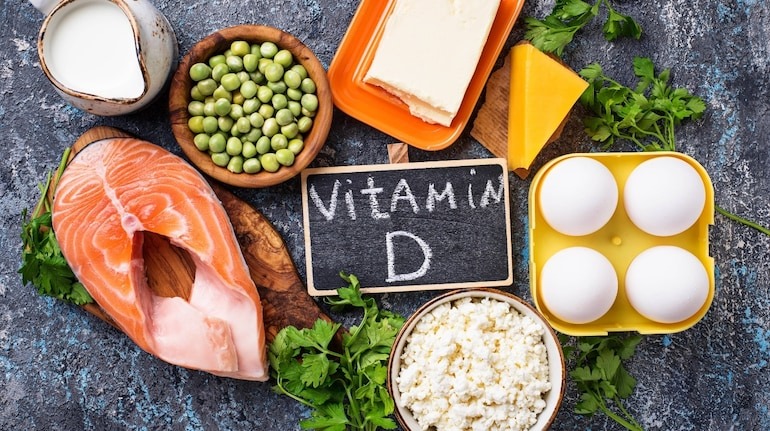
Even though India is a country abundant in sunshine, there are people battling a serious shortage in Vitamin D. A recent study conducted by the Indian Council for Research on International Economic Relations (ICRIER) and ANVKA Foundation states that 1 in 5 Indians is Vitamin D deficient. Deficiency numbers are even higher in Eastern India, reaching 38.81% mark.
Pregnant women, elderly women and children modernly find themselves in the most difficult of situations. These developments in modern medicine, policy as well as industry caused quite a stir during the event and was a topic of concern for the participants.
Here’s why this is the topic of concern for the many and the reason why it is called an epidemic, along with what the professionals suggest as a solution:
Lack of Vitamin D: Mankind has adapted modern lifestyles that rely on being indoors coupled by the urbanization and pollution leaving almost no access to direct sunlight, nature's primary source of Vitamin D. From spending copious amounts of time indoors, living in high-rises to the culture of screen-time, we are deprived of exposure to sunlight.
“ The modern lifestyle that we embrace now goes hand in hand with our abundant sunshine. That paired with the fact India is a Vitamin D land makes the reality alarming. “We need to address this immediately” remarked Dr Aashish Chaudhry who happens to the co-author of this study and is the Managing Director of Aakash Healthcare.
Shortcomings in diets: Oily fish, eggs, and fortified milk products are too costly or simply do not fit the Indian diet. Many people are also lactose intolerant or follow vegetarian diets that omit the primary sources of nutrition. “Only 8-14% of Indians, according to a study, have adequate intake of dairy,” said Dr. Mukherjee. “Affordability and accessibility are major barriers. This gap in nutrition is the most detrimental to vulnerable sections of society.”
Dr Arpita Mukherjee is a professor at ICRIER.
Cultural considerations: People with darker skin absorb less Vitamin D while receiving the same amount of sunlight. Full-cover clothing, no tan, and routine application of sunscreen significantly reduce exposure to the sun. Dr Chaudhry noted, “Melanin-rich skin needs up to six times more sun exposure to make the same amount of Vitamin D. Culture usually does not allow for this.”
Cost affects everything: Unlike CBG, where the cost of Vitamin D testing is approximately Rs. 1,500 and the price of supplements Eg. 10 tablets costs around Rs. 48 to 130, these prices are still unachievable for many. Moreover, the 18% supplement tax further impedes access. “There is an urgent need to decrease the prices of both tests and supplements. There is no solution for early diagnosis and treatment without affordable options,” quotes Dr Mukherjee.
Weak planning: India currently does not have a centralized region Vitamin D deficiency fighting program. While food fortification is not mandatory, most school meal programs do not serve eggs or fortified milk – rich sources of Vitamin D. “What we need is a roadmap like the one India had for iodised salt – compulsory fortification, subsidies, and awareness campaigns. This will lower the voluntary measures that won’t curb this crisis,” explains Deepak Mishra, Director and Chief Executive of ICRIER.
Broad consequences: Apart from bone health, vitamin D is also important. Deficiency is associated with fatigue, muscle atrophy, depression, cardiovascular disease, type II diabetes mellitus, and even some forms of cancer. If unchecked, this deficit could bring about an uncontrollable rate of otherwise avoidable diseases. “Vitamin D deficiency is an unrecognized pandemic impacting millions of people and still, no action is being taken to address it. Solving this problem requires collective action, through enhanced food fortification, and greater public awareness alongside public health initiatives,” stated Dr. Chaudhry.
They include mandatory food fortification and free supplementary provision for high-risk groups, removal of the GST from Vitamin D supplements, and extensive public education campaigns. “What we need is a comprehensive plan to counter the lack of solar Vitamin D in the body, and this analysis puts India on notice. India is in danger of missing its goals concerning health and nutrition targets set under Sustainable Development Goals without data-driven policies,” commented Dr. Mukherjee.
Read More: Pregnancy Cravings: Is Eating Ice Cream Safe for You and Your Baby? Expert Advice by Gynae

_1646667941_100x75.jpg)
_133712142_100x75.jpg)