
 Priyanka Tiwari
 Share
Share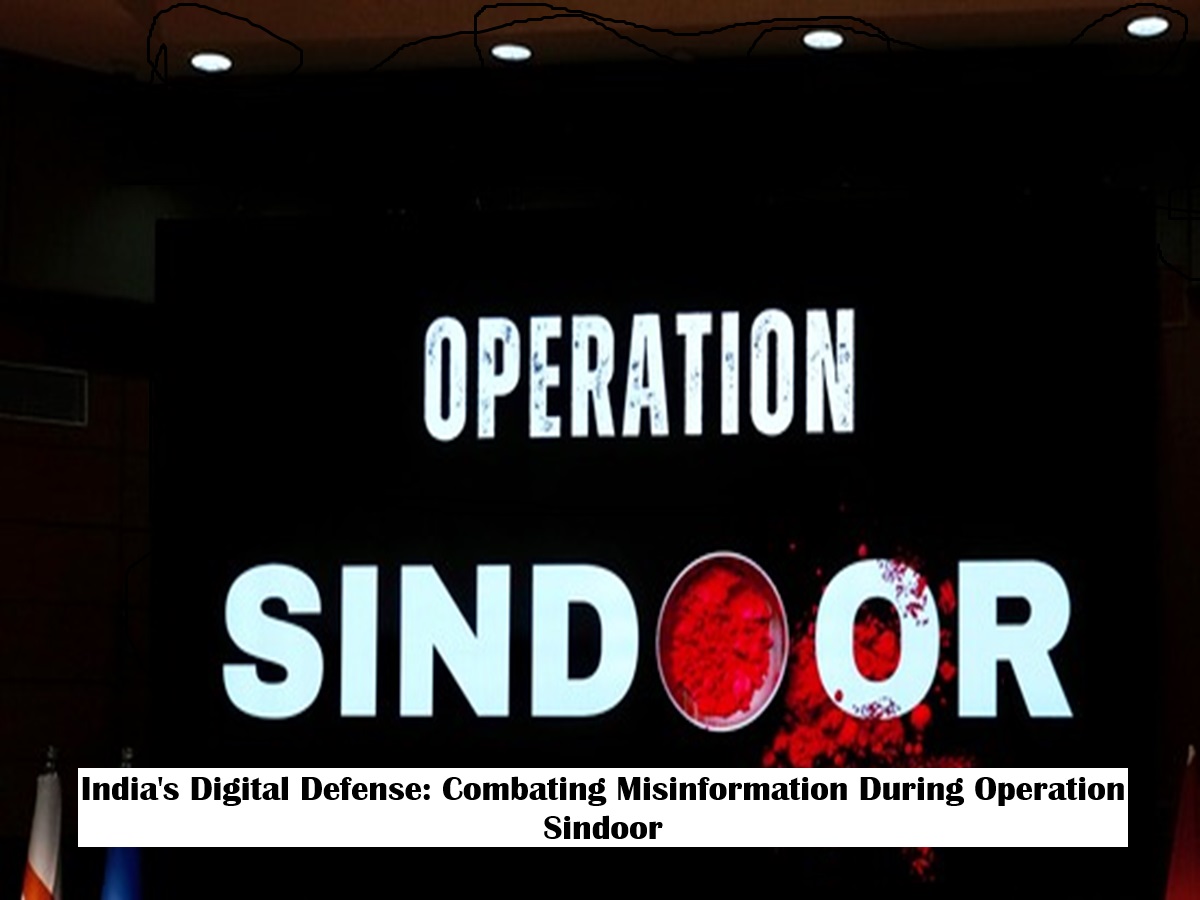
Suspense crime, Digital Desk : Two weeks ago, India and Pakistan engaged in one of their most intense military stand-offs since the Kargil War. During Operation Sindoor, India conducted deep airstrikes into Pakistani territory, going farther than in the 1971 war. However, the physical conflict was just one part of a broader challenge. A digital battle unfolded simultaneously, using smartphones, laptops, and social media as weapons.
The surge of misinformation and fake content became a serious threat. Fake news, old videos, and altered images began circulating rapidly to distort the truth and create confusion. This digital offensive was designed to shift public opinion and disrupt India’s communication efforts.
The Rise of the Information War
Information warfare is not a new idea, but its scale and speed have drastically changed. As Operation Sindoor progressed, Pakistan-linked networks released a high volume of fake content. These included edited videos, fabricated news reports, and false claims targeting Indian military actions.
Social media platforms were flooded with disinformation. Many posts came from proxy accounts disguised as Indian users, making it harder to identify them as foreign sources. These efforts tried to stir unrest and doubt within India by exploiting regional and religious divisions.
India’s Counteraction: Real-Time Response
India’s digital response was immediate and organized. The government’s media unit initiated round-the-clock monitoring to track fake news across platforms like X, Facebook, YouTube, and Instagram. Fact-checks were regularly posted to clarify the situation and expose false claims.
During the most intense days of Operation Sindoor, fact-check teams prioritized viral content and high-impact posts. Several accounts were flagged, and over 8000 social media handles were blocked under emergency provisions to reduce harm.
Challenges of Verifying Information
The situation was made harder by the recycling of old content. Videos from earlier events were being reshared as recent incidents, requiring careful verification. Some fake stories falsely claimed communal violence or internal military disputes, posing a serious risk to public order.
To counter this, government agencies worked closely together. YouTube channels spreading falsehoods were warned or taken down. A dedicated microsite was launched to archive all verified information about Operation Sindoor, making it accessible to both citizens and journalists.
Role of Public and Coordination Among Forces
The effectiveness of India’s response was boosted by the active involvement of common citizens. Many users flagged suspicious content, helping authorities identify and counter it faster. Behind the scenes, various government units, including armed forces, collaborated to ensure that disinformation did not spiral out of control.
Though the peak has passed, both the military and cyber units remain alert. The threat of fake news continues, and ongoing monitoring is crucial to prevent future damage.
_891152136_100x75.jpg)
_934999377_100x75.jpg)
_297632329_100x75.jpg)
_1971369341_100x75.jpg)