

 Priyanka Tiwari
 Share
Share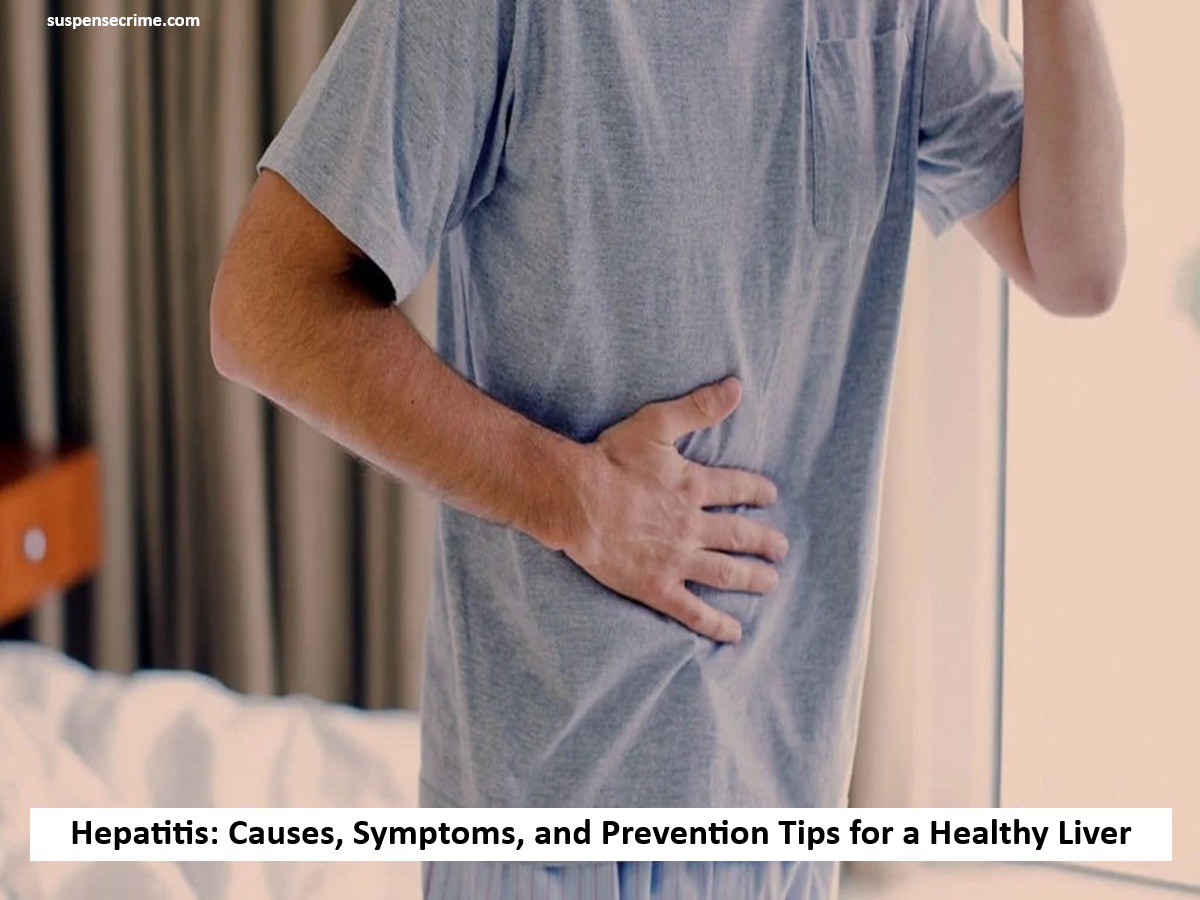
Suspense crime, Digital Desk : Our liver never rests in performing its vital functions like cleansing the blood, assisting in digestion, and serving as an energy reserve. When the liver is ill, the entire body begins to deteriorate. One form of this condition which can be particularly serious is hepatitis, which causes the inflammation of the liver. Many times, the symptoms are mild and go ignored, especially when there is tangible damage to the liver. However, the recognition of the disease on time can help manage and treat it more effectively.
What Is Hepatitis?
Cleveland Clinic defines hepatitis as one of the types of liver inflammatory condition. A viral infection is usually the most significant cause, but other reasons can as well contribute to it. In the absence of treatment, this illness can result in liver failure, liver cancer, or other liver issues.
There are two main types:
Acute Hepatitis:
Symptoms manifest abruptly and typically resolve after six months. Fever, fatigue, and abdominal pain lasting a few days or weeks are common signs.
Chronic Hepatitis:
Lasts for over six months. This condition worsens over time. Results in severe liver damage or liver cancer in the absence of treatment.
Common Symptoms of Hepatitis
The symptoms of hepatitis are typically vague during the initial stages, making it more difficult to diagnose. Some of the straightforward indications of hepatitis are:
Fatigue
Diarrhea
Reduced appetite or nausea
Low-grade fever
Bodily pain, especially around the upper right abdomen.
With time, additional more serious symptoms may arise including:
Inflammation of the skin associated with yellowing of the eyes, or jaundice.
Clay colored stool and darkened urine.
Skin lesions or skin itching.
Altered mental status such as forgetfulness or sluggishness.
How to Prevent Hepatitis
Taking some preventive steps can go a long way in safeguarding the liver.
Only drink boiled and filtered water
Avoid consuming open street or open food items
Some hepatitis vaccines exist—speak to your doctor for further advice.
Do not share utensils like razors or toothbrushes with infected persons.
Pregnant women are advised to undergo hepatitis B screening and if necessary, provide treatment.
Consumption of medically advised diet and medications should be clean.
The risk of severe complications from hepatitis is greatly reduced with early diagnosis and lifestyle changes.
Read More: Get Salon-Ready Feet at Home The Magic Tomato Scrub to Erase Tan and Roughness in Minutes


_132300150_100x75.jpg)
_430488585_100x75.jpg)
_1333714631_100x75.jpg)
_58079313_100x75.jpg)