World Hepatitis Day 2026: Never Ignore the Silent Warning Signs of Liver Damage and How to Protect Yourself
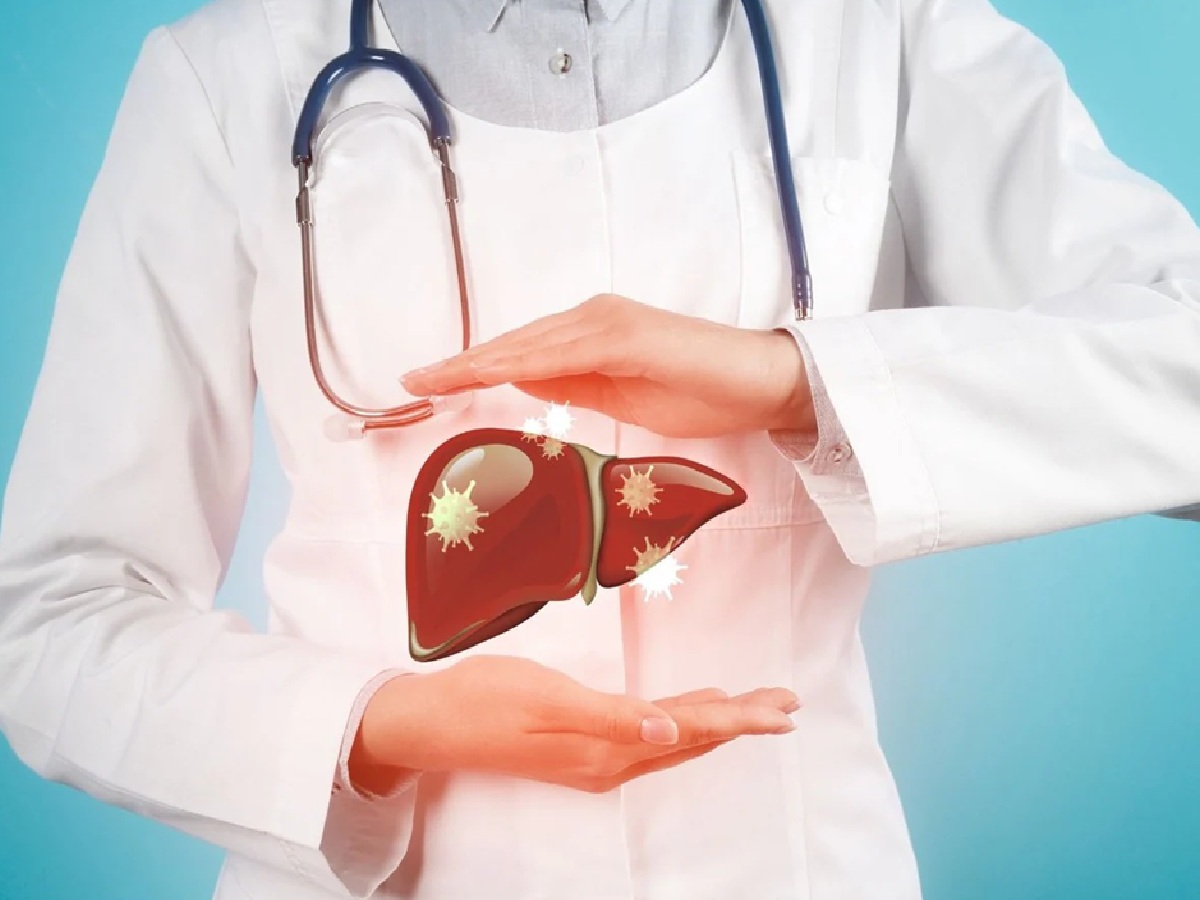
Marking World Health Organization observances on July 28, World Hepatitis Day 2026 serves as a critical annual reminder to prioritize liver health, encourage early screening, and break down the stigmas surrounding viral hepatitis. The liver works tirelessly day and night to sustain vital bodily functions, yet many individuals overlook its well-being until serious complications arise. Because early-stage hepatitis often presents with silent or very mild symptoms, the infection can progress undetected for years. Observing this global day—historically chosen to honor the birthday of Nobel laureate Baruch Samuel Blumberg, discoverer of the hepatitis B virus—empowers communities worldwide under this year’s compelling theme: "Hepatitis: Let's break it down."
Understanding Hepatitis, Its Primary Types, and Key Symptoms
Hepatitis is fundamentally defined as an inflammation of the liver, most commonly triggered by five distinct viral strains categorized as types A, B, C, D, and E. While hepatitis A and E typically spread through contaminated food and water, strains B, C, and D can lead to chronic, long-term infections that drastically elevate the risk of permanent liver scarring, cirrhosis, or liver cancer. Recognizing the subtle bodily signals of hepatitis is essential for timely medical intervention. Watch out for these prominent warning signs that demand immediate clinical attention:
Persistent Fatigue: Experiencing ongoing, profound exhaustion and weakness even without physical exertion is an early indicator of liver distress.
Jaundice: The noticeable yellowing of the skin or the whites of the eyes points directly to impaired liver function and high bilirubin levels.
Loss of Appetite: A sudden, unexplained aversion to food or a complete lack of appetite can signal underlying metabolic trouble.
Abdominal Discomfort: Experiencing unusual pain, tenderness, or a heavy bloating sensation in the upper right side of the abdomen.
Dark Urine and Pale Stools: Noticeably dark urine color, coupled with unusually pale bowel movements, requires prompt consultation with a doctor.
Effective Prevention Strategies and Vaccination Protocols
According to World Health Organization (WHO) data, viral hepatitis affects millions of individuals globally, yet a staggering percentage of carriers remain completely unaware of their infection status. Safeguarding yourself and your family involves adopting proactive, practical safety measures:
Get Vaccinated: Highly effective vaccines are available for hepatitis B. Ensuring that children complete their immunization schedules and adults receive recommended doses is a crucial shield.
Practice Needle and Blood Safety: Always ensure that sterile, disposable needles are used during medical procedures, and rely exclusively on thoroughly screened blood products.
Prioritize Early Testing: If you exhibit suspicious symptoms or suspect potential exposure, undergo diagnostic screening immediately. Early detection significantly streamlines medical management.
Rely on Verified Information: Avoid medical rumors and seek guidance from qualified healthcare professionals to understand transmission routes and treatment options clearly.