










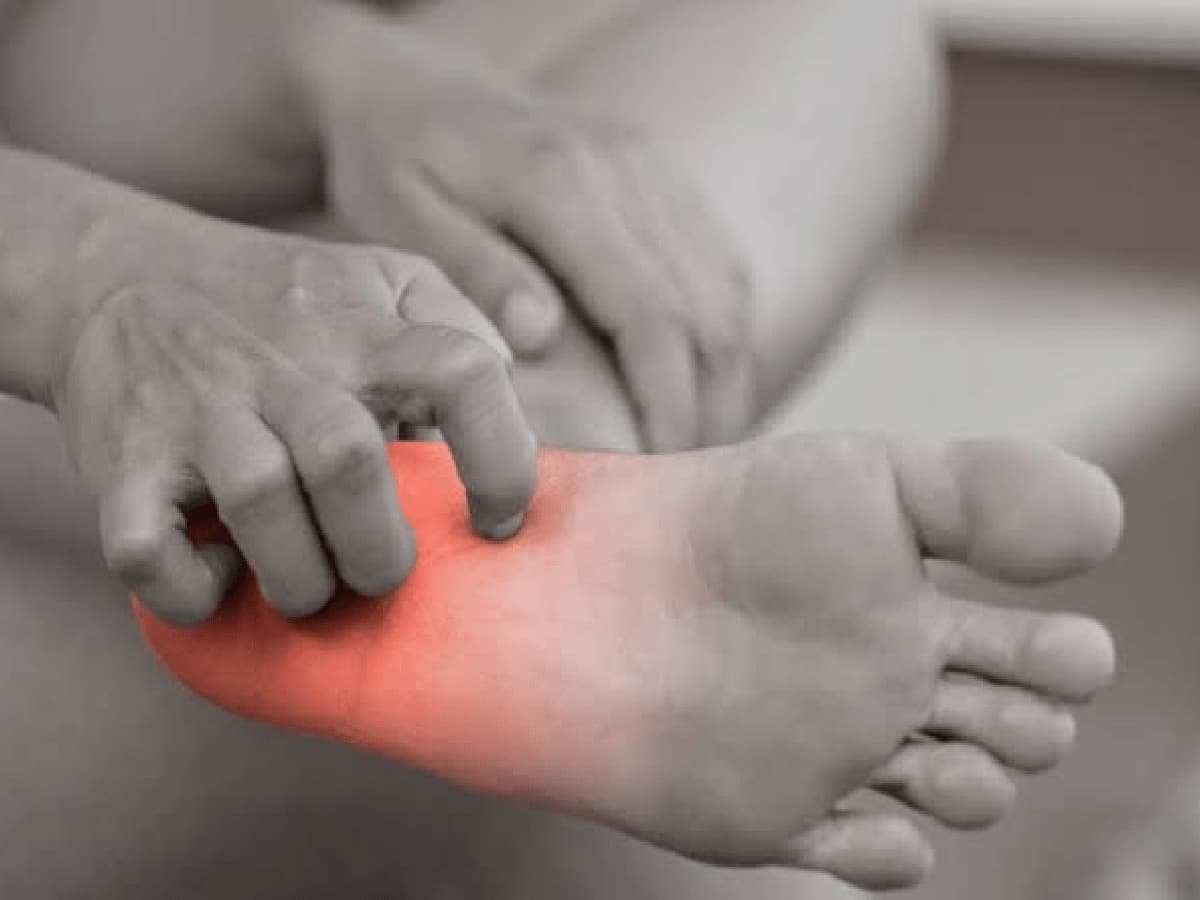
Why Your Soles Itch at Night: Causes, Relief Tips & Doctor Guide
Few things interrupt a restful night quite like a persistent, crawling itch along the soles of your feet right when you turn off the lights. Medically known as pruritus (or nocturnal pruritus when it flares at night), foot itching can stem from everyday skin irritation or point to deeper internal factors. In many cases, evening skin warmth, moisture loss under blankets, and fewer daytime distractions make an existing itch feel far more intense after dark. While mild, temporary itching is common, ongoing or worsening discomfort deserves proper medical attention so you can identify the root cause rather than just masking the sensation. For households, shift workers, and older adults across Uttar Pradesh—including residents in Lucknow and neighboring cities such as Unnao, Kanpur, Prayagraj, and Varanasi, where seasonal shifts from humid autumns to chilly winter nights frequently trigger dry skin and foot complaints—recognizing early warning signs helps keep both skin and sleep healthy.
Common Everyday and Medical Causes Behind Itchy Soles
Itchy soles rarely come from a single source. Dermatologists and physicians typically look across several overlapping categories:
-
Dry Skin & Skin Conditions: Frequent hot baths or showers, harsh chemical soaps, poorly fitting footwear, or chronic conditions like eczema and psoriasis strip natural oils from the thick skin on the soles, leading to dryness, scaling, cracks, and itching.
-
Fungal & Bacterial Infections: Sweat trapped inside closed shoes or damp public floors creates an ideal environment for athlete's foot (tinea pedis), a contagious fungal infection that causes itching, stinging, scaling, or peeling on the soles and between the toes. Skin breaks can also allow bacterial infections such as cellulitis to develop.
-
Nerve-Related Issues: Conditions such as peripheral neuropathy—often linked to diabetes or other nerve disorders—can send abnormal itch, tingling, or burning signals from peripheral nerves to the feet, frequently standing out at night.
-
Cold Weather & Chilblains: Exposure to cool, damp air followed by rapid rewarming can trigger chilblains (small red, purplish, or discolored patches, swelling, and intense itching on toes and feet) or cold-induced skin irritation.
-
Pregnancy: Hormonal shifts and increased blood flow during pregnancy commonly trigger itching across the legs, arms, abdomen, palms, or soles (including conditions such as intrahepatic cholestasis of pregnancy or pregnancy-related rashes).
-
Medications & Systemic Conditions: Certain prescription or over-the-counter drugs—including select pain relievers, blood pressure medicines, and cholesterol-lowering statins—as well as kidney disease, liver conditions, or thyroid disorders can contribute to generalized or foot-focused itching.
Quick Reference: Triggers, Patterns, and Practical Relief Measures
| Trigger or Care Step | Key Pattern to Notice | Helpful Day-to-Day Approach |
| Dryness & Cold Air | Tight, flaky, or cracked soles that worsen in dry indoor air or cold weather. | Bathe with lukewarm water rather than hot water; apply a thick, fragrance-free or alcohol-free moisturizer. |
| Sweat & Fungal Exposure | Itching between toes or across soles exacerbated by damp socks or enclosed shoes. | Wash and dry feet thoroughly (especially between toes), wear breathable socks, and rotate footwear. |
| Soothing Foot Soaks | Mild irritation keeping you restless before bed. | A short cool-water soak (such as with a small amount of baking soda) or a cool compress can calm surface itch. |
| Underlying Systemic Causes | Persistent itching without clear skin rash, or accompanied by swelling, numbness, or other symptoms. | Avoid long-term self-treatment; get evaluated by a qualified physician. |
Simple Daily Habits for Relief—and When to See a Doctor
For mild, uncomplicated itching, keeping feet clean and dry—paying special attention to the spaces between the toes—using gentle, mild cleansers instead of harsh soaps, moisturizing regularly with an alcohol-free lotion or cream, and avoiding scratching broken skin can help ease discomfort. However, if the itching persists for more than a couple of weeks, keeps returning, interferes with sleep, or appears alongside redness, swelling, warmth, discharge, numbness, or medical conditions like diabetes or pregnancy, consult a doctor promptly for an accurate diagnosis and safe treatment plan.






