










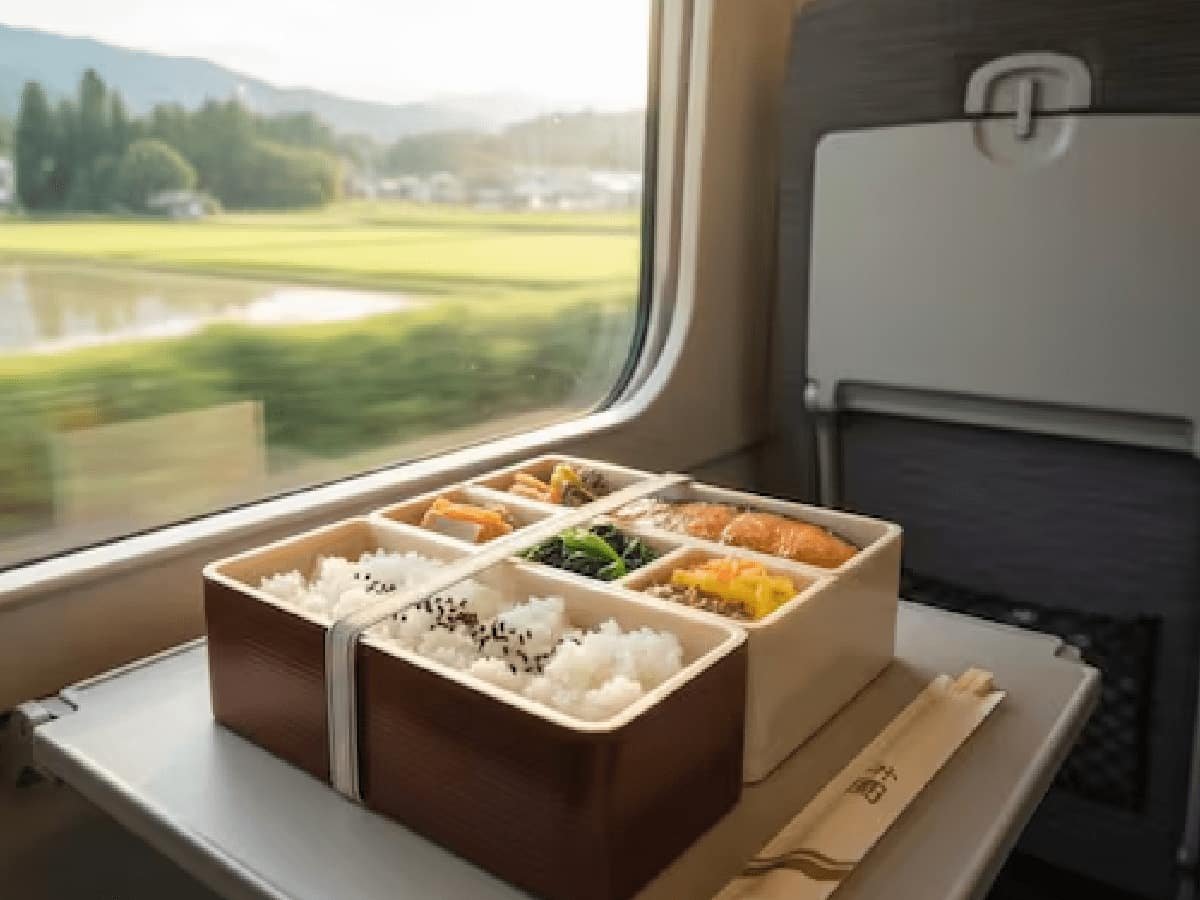
What Is Ekiben? Inside Japan's 140-Year-Old Train Bento Tradition
For anyone boarding a Shinkansen bullet train or a scenic regional line in Japan, half the joy of the journey begins before stepping onto the platform—at brightly lit station kiosks stacked with neatly wrapped wooden boxes, ceramic pots, and bamboo-sheathed meal packs known as ekiben. Combining two Japanese words—eki (railway station) and ben (short for bento, or boxed meal)—an ekiben is far more than convenient travel fare. Over the past 140 years, these compact, artfully arranged meal boxes have evolved into an edible map of Japan's regions, allowing travelers to taste local harvests, coastal catches, and centuries-old recipes without ever leaving their train seats. For travelers, food enthusiasts, and rail commuters across India—including readers in Uttar Pradesh cities such as Unnao, Kanpur, Lucknow, Prayagraj, and Varanasi, where station platforms have their own bustling tradition of regional snacks and travel tiffins—Japan's ekiben culture offers a fascinating look at how rail travel and regional gastronomy grew up side by side.
How Ekiben Began at Utsunomiya Station in 1885
Japan's railway story began in 1872 with the opening of the line linking Tokyo's Shimbashi and Yokohama, when steam locomotives moved slowly and long-distance passengers quickly grew hungry between stops. Culinary historians most commonly trace the birth of ekiben to July 16, 1885, at Utsunomiya Station in Tochigi Prefecture. A local inn named Shirakiya began selling travelers a humble yet practical parcel: two salted rice balls (onigiri) sprinkled with black sesame seeds alongside pickled takuan radish, wrapped neatly in antibacterial bamboo sheath (takenokawa).
While a few historical records also note early platform bento sales in western Japan around the late 1880s—such as Himeji Station introducing the classic multi-compartment makunouchi-bento in 1889—the Utsunomiya milestone sparked a nationwide railway tradition. As rail tracks spread across Honshu, Hokkaido, and Kyushu, station vendors began showcasing local specialties (tokusanhin) so passengers could sample regional flavors during brief platform halts. Even after dining cars vanished from Shinkansen trains in the 1990s, ekiben remained indispensable, inspiring dedicated annual department-store ekiben fairs in Tokyo and Osaka and a passionate subculture of rail food fans known as ekiben-tetsu.
Four Iconic Regional Ekiben That Define Japanese Train Travel
Today, more than 1,000 varieties of ekiben are sold across Japanese stations, with recipes crafted to taste delicious even at room temperature. Four legendary regional boxes capture how closely each meal reflects its hometown:
| Famous Ekiben | Station / Region | What Makes It Special |
| Ikameshi | Mori Station (near Hakodate, Hokkaido) | Whole tender squid stuffed with sweet-savory glutinous rice and simmered in a rich soy-dashi broth—first created during wartime rice shortages in 1941. |
| Masuzushi | Toyama Station (Toyama Prefecture) | Pressed trout sushi cured lightly in vinegar and layered atop seasoned rice inside a circular cedarwood box lined with fragrant green bamboo leaves. |
| Toge no Kamameshi | Yokokawa Station (Gunma Prefecture) | Soy-seasoned kamameshi rice topped with chicken, shiitake mushrooms, chestnuts, bamboo shoots, and quail egg, served inside a reusable Mashiko-yaki earthenware clay pot since 1958. |
| Gyutan Bento | Sendai Station (Miyagi Prefecture) | Thick-cut charcoal-grilled beef tongue served over barley rice with pickled vegetables—famous for its clever self-heating box. |
Collectible Packaging and Ingenious Self-Heating Boxes
Part of ekiben's enduring charm lies in its thoughtful engineering and craftsmanship. Containers range from aromatic cedarwood boxes and woven bamboo baskets to ceramic vessels shaped like Daruma dolls, bullet trains, or miniature cooking pots that travelers happily wash and take home as kitchenware or souvenirs.
Even more remarkable are Japan's self-heating ekiben, popularized in cities like Sendai and Yonezawa. Built with a double-bottom compartment containing quicklime and a small sealed pouch of water, these boxes require no microwave or electricity: pulling an external yellow or white string mixes water with the heating element, generating clean steam that warms the meal piping hot within five to seven minutes right on a passenger's tray table. Together with wet towelettes (oshibori), disposable chopsticks, and toothpick included inside every box, ekiben turns an ordinary train ride into one of the world's most memorable culinary rituals.






