










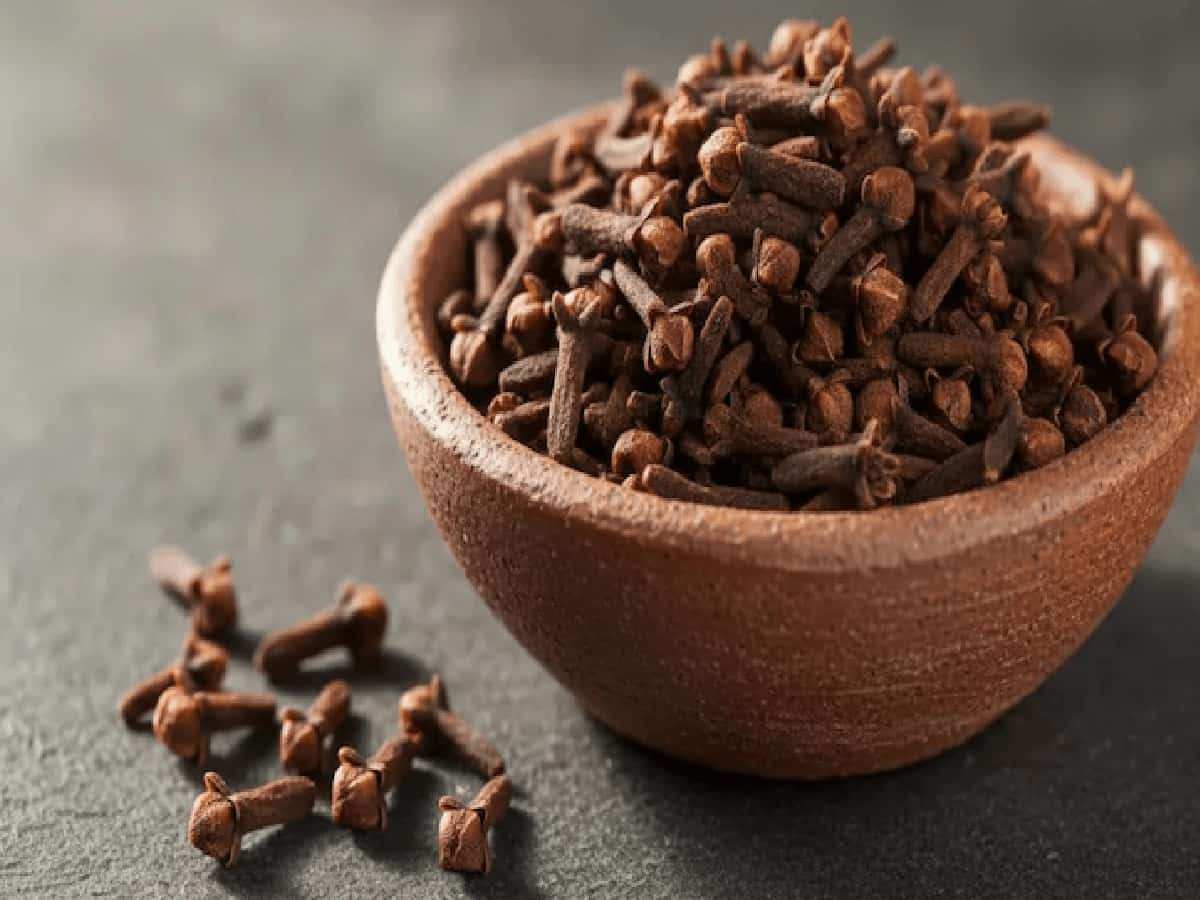
What Happens If You Eat 2 Cloves Daily? 5 Key Health Benefits
Tucked inside virtually every Indian spice box (masala dabba), dried flower buds of clove (laung / Syzygium aromaticum) are prized not merely for their warm, aromatic punch in curries and winter masala chai, but also as a concentrated medicinal powerhouse in Ayurveda. Especially as late-November temperatures dip and seasonal throat irritation, sluggish digestion, and viral coughs become common, eating or slowly chewing just two cloves a day—or sipping warm clove-infused water or tea—can offer broad-spectrum protection for the body. Sharing clinical insights on this everyday kitchen remedy, Dr. Rahul Chaturvedi, an Ayurvedic practitioner at Ramhans Parmarth Ashram, explains that cloves are densely packed with eugenol (a potent bioactive phenolic compound), natural antioxidants, dietary fibre, essential vitamins, and antibacterial agents that shield cells from oxidative stress while soothing respiratory and gastrointestinal discomfort. For families, morning walkers, office commuters, and elderly residents across northern India—including households in Unnao and neighboring Uttar Pradesh cities such as Lucknow, Kanpur, Prayagraj, and Varanasi, where crisp winter mornings and seasonal smog frequently trigger sore throats and post-meal heaviness—incorporating two cloves mindfully into a daily routine delivers practical preventive wellness.
Five Evidence-Aligned Benefits of Consuming Two Cloves Every Day
Whether chewed slowly after a meal or steeped in warm water, a modest daily intake of two whole cloves supports five core bodily systems:
| Health Benefit Area | Active Compounds in Cloves | How Eating 2 Cloves Daily Helps Your Body |
|---|---|---|
| 1. Protection Against Free Radicals | Eugenol and polyphenolic antioxidants | Neutralizes unstable free radicals in the bloodstream, reducing oxidative stress and protecting healthy cells from premature damage and chronic disease risk. |
| 2. Smoother Digestion & Gas Relief | Aromatic volatile oils, dietary fibre, and carminative compounds | Stimulates digestive enzymes and gastric secretions, easing gas, indigestion, acidity, and post-meal bloating—which is why chewing cloves after heavy meals is a longstanding Indian tradition. |
| 3. Oral Hygiene & Fresh Breath | Natural antibacterial and antimicrobial essential oils | Suppresses odor-causing oral bacteria, soothes minor gum irritation and winter sore throats, and naturally combats bad breath (halitosis). |
| 4. Liver Health Support | Eugenol and hepatoprotective antioxidants | Helps counter oxidative stress in liver tissues and supports healthy hepatic function—though moderation and expert guidance are essential, as excessive doses can irritate the liver. |
| 5. Blood Sugar Regulation | Polyphenols and insulin-sensitizing plant compounds | Preliminary studies suggest clove compounds may improve insulin sensitivity and glucose uptake, complementing balanced nutrition for blood-sugar management. |
How to Consume Two Cloves Safely—And Who Should Consult a Doctor First
Ayurvedic practitioners emphasize that cloves carry a warm potency (ushna virya), meaning sticking strictly to one or two cloves per day is ideal—especially during winter—whereas overconsumption can trigger heartburn, mouth irritation, or gastrointestinal discomfort. You can either chew two whole cloves slowly (letting their natural oils coat the throat and gums) or boil two crushed cloves in a cup of water to sip lukewarm in the morning or after meals.
Crucially, individuals living with diabetes, liver disorders, bleeding conditions, or those taking blood-thinning or blood-sugar-lowering medications should never alter their prescribed medical treatment or take concentrated clove supplements without first consulting their physician.






