










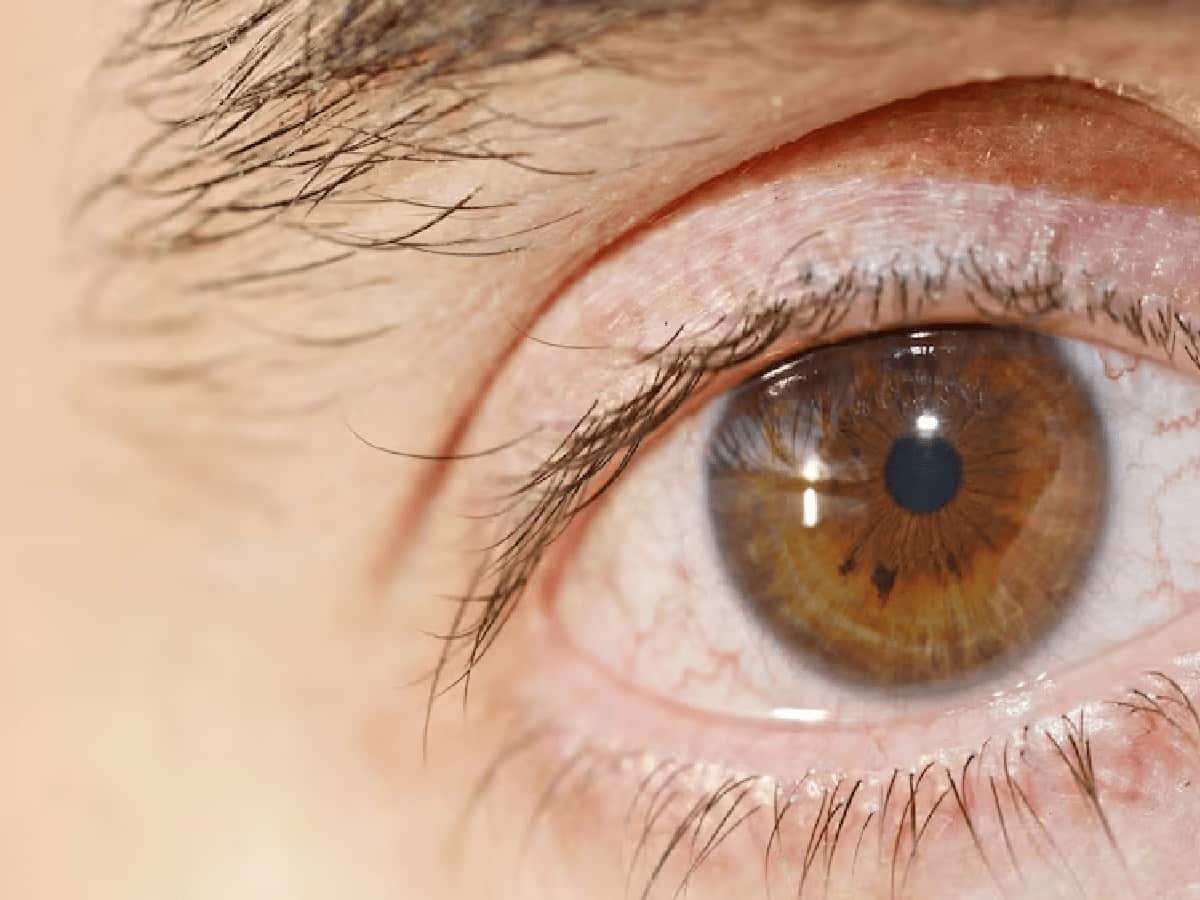
Red Eyes Upon Waking: Causes, Eye Infections & Warning Signs
Catching a bloodshot reflection in the bathroom mirror first thing in the morning is a familiar experience for many people, often brushed off as late nights, screen fatigue, or dust. While occasional mild redness after short sleep or dry bedroom air can clear up on its own, persistent, severe, or recurring morning redness should never be ignored. Bloodshot eyes appear red because tiny surface blood vessels on the white part of the eye (the sclera) dilate, swell, or occasionally break. Depending on accompanying symptoms, morning redness can point to dry eye, a subconjunctival hemorrhage (a broken surface blood vessel), conjunctivitis (pink eye from infection or allergies), or blepharitis (eyelid-margin inflammation). For commuters, students, office workers, and families across Uttar Pradesh—especially in Lucknow and neighboring centers such as Unnao, Kanpur, Prayagraj, and Varanasi, where winter air dryness, dust, indoor heating, and long screen hours frequently irritate eyes—knowing what drives morning redness helps you respond safely and protect your vision.
Common Causes of Red Eyes in the Morning and Key Clues
| Potential Cause | What Happens in the Eye | Typical Clues & Morning Signs |
| Dry Eye & Nighttime Airflow | Tear moisture drops overnight, especially with fans, AC, heaters, or incomplete eyelid closure. | Grittiness, burning, or redness on waking that eases with lubrication. |
| Subconjunctival Hemorrhage | A tiny blood vessel breaks beneath the clear conjunctiva covering the white of the eye. | Bright red patch on the white of the eye; often painless with normal vision. |
| Conjunctivitis (Pink Eye) | Inflammation of the conjunctiva due to viral or bacterial infection or allergies. | Redness, watering, itching, or sticky crust/discharge on lashes after sleep. |
| Blepharitis | Inflammation along the edges of the eyelids near eyelash follicles. | Swollen, itchy, or crusty eyelid margins and recurring morning irritation. |
| Screen Strain, Dust & Allergens | Prolonged screen use, dust, smoke, or indoor allergens irritate surface tissues. | Tiredness, watery eyes, or mild redness after late nights or dusty exposure. |
Dry Eye, Broken Blood Vessels, Conjunctivitis, and Eyelid Inflammation
Morning redness often starts with overnight dryness or a subconjunctival hemorrhage. During sleep, tear production naturally slows, and direct airflow from fans, air conditioners, or room heaters—or sleeping with contact lenses or slightly parted eyelids—can leave the eye surface dry and irritated by morning. A subconjunctival hemorrhage happens when a fragile blood vessel on the surface of the eye ruptures, sometimes after hard coughing, sneezing, straining, rubbing the eye, or minor bumps; even if the bright red patch looks dramatic, it is usually harmless and clears over one to two weeks without affecting vision.
Infections and allergies add another set of clues. Conjunctivitis can stem from viruses, bacteria, or allergens, bringing redness, watery or sticky discharge, itching, or crusted eyelids in the morning. Blepharitis affects the margins of the eyelids, causing redness, swelling, itchiness, and flaky or sticky buildup along the lash line. Because bacterial and viral eye infections can spread easily through shared towels, pillowcases, or unwashed hands, strict hand hygiene is essential while figuring out the cause.
Red-Flag Symptoms: When to See a Doctor and Why Self-Medicating Is Risky
Mild, short-lived redness from tiredness or dryness often settles down with rest and gentle care, but do not guess or self-medicate with leftover or over-the-counter prescription drops. Using steroid or antibiotic eye drops without a doctor's examination can mask an underlying problem, worsen certain infections, or raise eye pressure in susceptible people. Seek prompt medical evaluation from an ophthalmologist or qualified doctor if redness lasts more than a day or two, keeps returning, or comes with eye pain, blurred or reduced vision, sensitivity to light (photophobia), thick yellow-green discharge, or an eye injury. Avoid rubbing your eyes, remove contact lenses if irritation appears, keep bedding and towels clean, and get a timely professional check whenever warning signs are present.






