Ragi for Bone Health: Why This Tiny Millet Is a Calcium Powerhouse
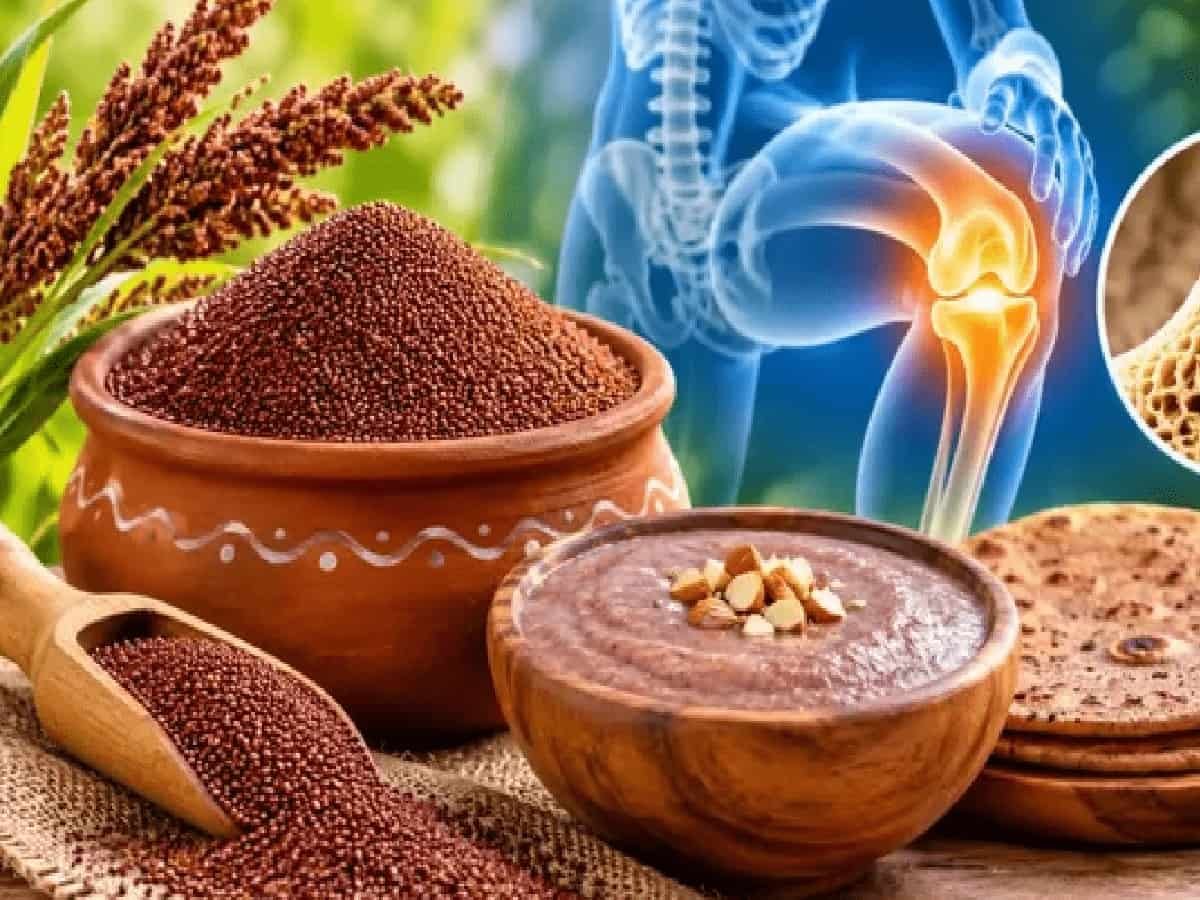
In an era dominated by sedentary desk routines, indoor lifestyles, and ultra-processed diets, early-onset joint stiffness, bone weakness, and silent calcium deficiency have become increasingly widespread across Indian households. Before turning to synthetic mineral supplements, nutritionists and traditional dietary experts point toward a humble, time-tested Indian grain sitting right inside our own agricultural heritage: ragi, known scientifically as Eleusine coracana and regionally as finger millet, nachni, or mandua.
Long revered as a staple across southern states like Karnataka, Tamil Nadu, and Andhra Pradesh as well as the Himalayan hills of Uttarakhand and Himachal Pradesh, ragi has surged back onto dining tables in Bengaluru, Mumbai, New Delhi, Lucknow, Kanpur, and Unnao as one of India’s premier functional superfoods. Packing an extraordinary concentration of bioavailable calcium, phosphorus, magnesium, iron, dietary fiber, and essential amino acids, this tiny reddish-brown grain offers a sustainable, whole-food shield against skeletal fragility.
What Makes Ragi Stand Out Among All Cereal Grains?
Unlike refined white rice or polished wheat flour—which lose a substantial share of their micronutrients during milling—ragi is naturally gluten-free and retains its nutrient-dense outer seed coat. According to the Indian Council of Medical Research–National Institute of Nutrition (ICMR-NIN) Indian Food Composition Tables, 100 grams of raw ragi delivers 344 mg of calcium (with regional varieties reaching up to 364 mg), alongside 283 mg of phosphorus, 137 mg of magnesium, 3.9 mg of iron, 7.3 g of protein, and 11.2 g of dietary fiber.
To put that density into perspective, ragi contains nearly three times more calcium than cow’s milk (roughly 120 mg per 100 ml), over seven times more than whole wheat, and more than 30 times the calcium found in polished white rice.
Seven Ways Ragi Protects Calcium Levels and Strengthens Bone Density
Unmatched Natural Calcium Reservoir: Consuming just 100 grams of ragi—roughly two medium rotis or a generous bowl of ragi mudde—supplies nearly a third of an average adult’s recommended daily calcium requirement without relying on dairy.
Superior Mineral Absorption and Bioavailability: Calcium cannot build strong bones in isolation. Ragi naturally pairs calcium with phosphorus (283 mg) and magnesium (137 mg)—the exact mineral co-factors required to crystallize bone matrix—while traditional preparation methods such as soaking, sprouting, and fermentation break down phytates and unlock even higher mineral absorption.
Shield Against Osteopenia and Osteoporosis: By steadily replenishing skeletal mineral stores over months and years, regular ragi intake helps preserve bone mineral density and lowers the long-term risk of age-related fractures and osteoporosis.
Tailored Nutrition for Children, Women, and Seniors: Growing children need abundant calcium for rapid skeletal and dental development; pregnant and lactating mothers require up to 1,200–1,300 mg daily; and postmenopausal women and older adults face accelerated bone thinning. Ragi addresses every stage of this lifecycle in one easily digestible grain.
Supports Hormonal and Metabolic Equilibrium: With a low-to-moderate glycemic index (around 54) and rich polyphenol and fiber content, ragi prevents sharp insulin spikes and supports endocrine and hormonal balance—an important factor in long-term bone remodeling.
Alkaline Nature Helps Curb Calcium Leaching: Diets heavy in refined sugars, excess salt, and acidic processed foods can prompt the body to draw alkaline calcium reserves out of bones to buffer blood pH. Ragi’s mildly alkaline profile helps soothe gastric acidity and minimizes urinary calcium loss.
Cumulative Long-Term Protection: Because ragi integrates effortlessly into everyday meals rather than acting as a short-term pill, it builds durable skeletal resilience over time.
Ragi vs. Everyday Indian Staples: Nutritional Comparison (Per 100g)
| Food Grain / Staple | Calcium (mg) | Phosphorus (mg) | Iron (mg) | Dietary Fiber (g) | Protein (g) |
|---|---|---|---|---|---|
| Ragi (Finger Millet) | 344 mg | 283 mg | 3.9 mg | 11.2 g | 7.3 g |
| Whole Wheat Atta | 48 mg | 306 mg | 4.9 mg | 12.2 g | 11.8 g |
| Bajra (Pearl Millet) | 42 mg | 296 mg | 8.0 mg | 8.5 g | 11.6 g |
| Jowar (Sorghum) | 25 mg | 222 mg | 4.1 mg | 6.3 g | 10.4 g |
| White Rice (Polished) | 10 mg | 160 mg | 0.7 mg | 0.2 g | 6.8 g |
Easy Ways to Include Ragi in Your Daily Indian Diet
You do not need elaborate recipes to make ragi a daily habit. Start gradually with 50 to 80 grams a day through familiar dishes:
Ragi Roti or Multigrain Bhakri: Knead ragi flour with warm water (or blend 50:50 with whole wheat flour initially for softer rolling) and serve hot with ghee, dal, or seasonal greens.
Fermented Ragi Malt (Ambali / Java): Whisk roasted ragi flour into water or buttermilk and simmer gently—fermentation boosts calcium and iron bioavailability while cooling the stomach.
Ragi Idli, Dosa, or Cheela: Swap part of your regular rice batter with soaked or sprouted ragi for a crisp, mineral-rich breakfast.
Ragi Porridge, Kheer, or Dry-Fruit Laddoos: Roast ragi flour in cow ghee with jaggery, sesame seeds, and almonds for a wholesome sweet treat ideal for growing children and seniors.