Common Cold or Severe Pneumonia: Which Children Are Most at Risk
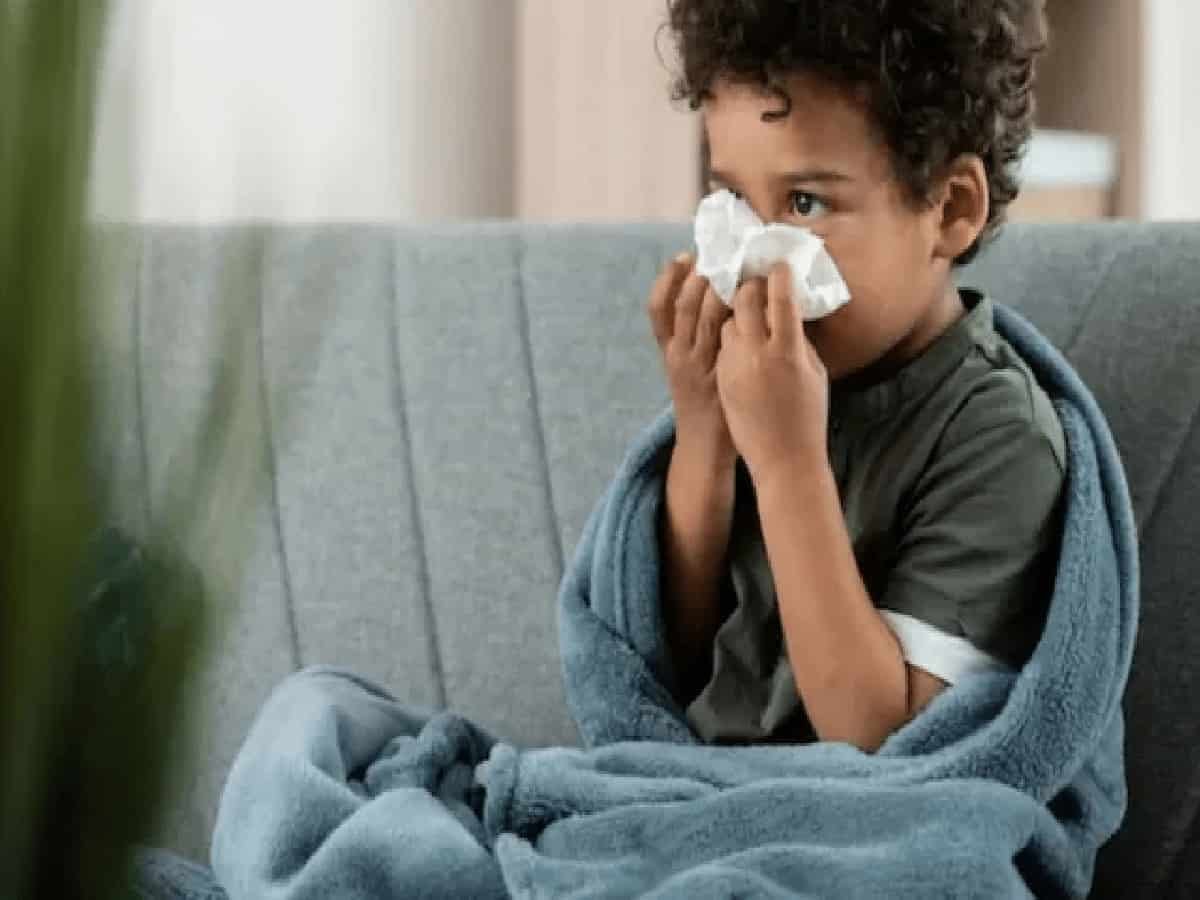
Every winter across India—as chilly mornings set in from New Delhi, Gurugram, and Noida to Lucknow, Kanpur, Unnao, Varanasi, and Patna—paediatric clinics see a sharp surge in children arriving with coughs, runny noses, and fever. For most families, these symptoms begin like an ordinary seasonal cold that clears up within a few days of rest and basic care. Yet in certain children, the same initial respiratory illness can escalate rapidly into pneumonia—a serious lung infection in which the tiny air sacs (alveoli) fill with fluid or pus, making breathing painful and starving the body of oxygen.
Why do some children bounce back quickly at home while others require urgent hospitalization or intensive care unit (ICU) support? According to Dr. Dhruv Talwar, the trajectory of childhood pneumonia is shaped by a combination of age, immune readiness, nutritional reserves, underlying medical conditions, environmental air quality, and how quickly parents spot danger signs.
Age and Lung Maturity: Why Infants Under Two Face the Highest Danger
A child’s age is one of the strongest predictors of how severely pneumonia will behave. Children under two years of age—and especially infants in their first six months of life—carry the highest vulnerability because both their immune defenses and lung architecture are still maturing. Young toddlers possess remarkably narrow airways; when viral or bacterial inflammation triggers swelling and thick mucus, those tiny passages clog far more easily than in older children or adults.
The danger is even greater for prematurely born babies or infants with low birth weight, whose underdeveloped lung tissue already works harder to maintain normal oxygen exchange during routine breathing.
Nutrition and Pre-Existing Medical Conditions
A child’s internal resilience depends heavily on everyday nutrition and baseline health:
Underweight and Malnourished Children: Deficiencies in protein, iron, zinc, and vitamins A and D blunt the immune system’s ability to neutralize invading bacteria and viruses, slowing tissue repair and prolonging recovery.
Chronic Underlying Illnesses: Children living with congenital heart defects, chronic lung conditions (such as asthma or bronchopulmonary dysplasia), severe anemia, or weakened immunity experience substantially higher strain during a lung infection because their heart and respiratory systems are already operating under baseline stress.
Environmental Triggers: Winter Smog, Indoor Smoke, and Crowding
Where and how a child breathes every day plays a decisive role in lung vulnerability. Chronic exposure to hazardous outdoor air pollution—especially PM2.5 and PM10 particulate matter prevalent during North Indian winters—irritates delicate airway linings and impairs natural mucus clearance. Inside the home, secondhand tobacco smoke, smoke from biomass or solid cooking fuels, poorly ventilated rooms, and overcrowded living spaces dramatically increase both the frequency and severity of lower respiratory infections.
Bacterial vs. Viral Causes of Childhood Pneumonia
The specific microbe driving the infection also determines how fast symptoms unfold. Bacterial pneumonia (commonly caused by Streptococcus pneumoniae or Haemophilus influenzae type b) often strikes abruptly with high fever and rapid deterioration if antibiotic therapy is delayed. Meanwhile, viral pneumonia—triggered by Respiratory Syncytial Virus (RSV), influenza, or adenoviruses—can begin gradually like a mild cold before causing severe breathing difficulty in infants or paving the way for secondary bacterial infections.
Six Emergency Warning Signs Parents Must Never Ignore
Often, severe complications arise simply because early red flags are mistaken for a routine cold. Seek immediate medical evaluation if a child exhibits any of the following danger signs:
| Warning Sign | What Parents Should Observe |
|---|---|
| Unusually Fast Breathing | Rapid, shallow breaths even when the child is calm and not crying |
| Chest Indrawing | The skin below or between the ribs pulls inward sharply with every breath |
| Persistent High Fever | High fever lasting beyond 48–72 hours or accompanied by chills |
| Difficulty Feeding or Drinking | An infant refusing breastfeeds, struggling to swallow milk, or vomiting repeatedly |
| Bluish Lips or Fingertips | A bluish or grayish tint (cyanosis) around the mouth or nails—a medical emergency |
| Extreme Lethargy | Unusual drowsiness, floppy limbs, weak cry, or difficulty waking the child |
Proven Preventive Steps to Shield Children From Severe Pneumonia
While no parent can eliminate every winter virus, paediatricians emphasize five high-impact steps that dramatically cut the risk of life-threatening pneumonia:
Stay Up to Date on Routine Vaccines: Timely immunization with PCV (Pneumococcal Conjugate Vaccine), Hib, measles, whooping cough (pertussis), and annual influenza shots protects against the deadliest bacterial and viral triggers.
Exclusive Breastfeeding for the First Six Months: Breast milk delivers irreplaceable maternal antibodies that fortify infant immunity during the most vulnerable months of life.
Balanced, Micronutrient-Rich Nutrition: Introduce iron-, zinc-, and protein-rich complementary foods after six months to keep immune defenses strong.
Keep Indoor Air Clean: Enforce a strict smoke-free home, ensure proper cross-ventilation, and limit outdoor exertion for young children on high-AQI smog days.
Practice Frequent Handwashing and Avoid Self-Medication: Regular hand hygiene curbs household germ transmission, while consulting a qualified paediatrician early—rather than giving leftover antibiotics or cough syrups—ensures safe, targeted recovery.