


India Welcomes Revolutionary Once-a-Week Insulin 'Avicli' at an Affordable Cost of Just ₹50 Per Day
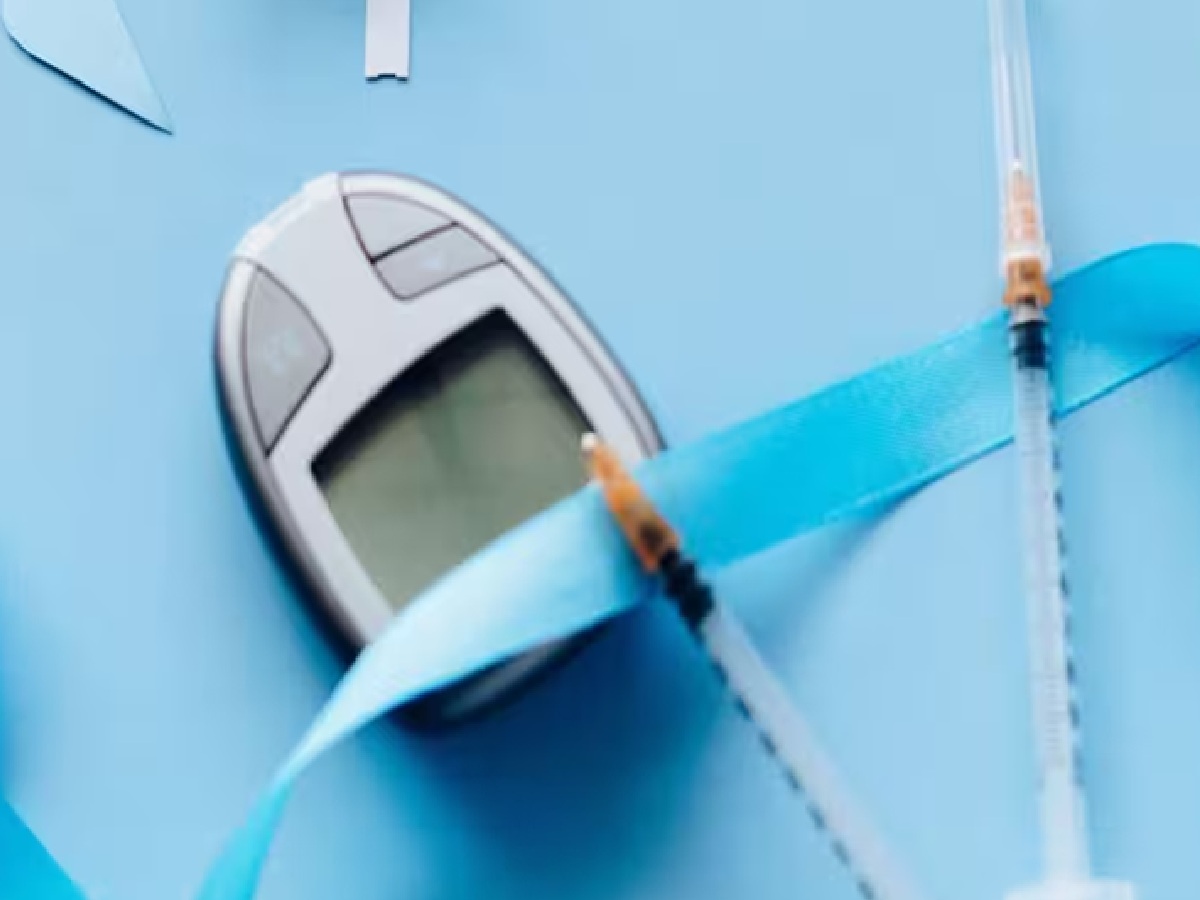
In a monumental paradigm shift for chronic disease management in India, global pharmaceutical giant Novo Nordisk has officially rolled out its highly anticipated weekly basal insulin under the brand name 'Avicli'. This cutting-edge medical advancement offers a historic sigh of relief to millions of individuals living with diabetes across the country, effectively replacing the painful burden of taking daily insulin pricks with a single, highly controlled weekly injection. Industry experts are hailing this strategic pharmaceutical launch as a major turning point that will significantly improve patient compliance, eliminate injection anxiety, and completely redefine long-term glycemic control strategies across the nationwide healthcare spectrum.
A Breakthrough for Non-Compliant Patients: Overcoming Injection Phobia and Active Travel Challenges
For decades, endocrinologists and metabolic specialists have faced an uphill task convincing patients to transition to insulin therapy due to deep-seated needle phobia and rigid daily administration routines. The daily requirement of tracking blood sugar levels and taking timely injections creates structural friction, causing many individuals to skip doses—especially those leading busy corporate lives or traveling frequently across borders. According to Dr. S.K. Wangnu, a senior endocrinology consultant at the Indraprastha Apollo Hospital, introducing a long-acting weekly insulin formula like Avicli will radically simplify treatment frameworks, ensuring that patients no longer compromise on their therapeutic schedules due to hectic lifestyles.
Mitigating Organ Damage: Expert Guidelines Urge Timely Insulin Intervention to Stabilize HbA1c Levels
Medical data reveals that patients who have been battling diabetes for over 8 to 10 years frequently experience progressive pancreatic burnout, where standard oral anti-diabetic drugs cease to maintain optimal glycemic control. In such critical phases, delaying necessary insulin therapy out of fear drastically exposes the individual to severe microvascular and macrovascular complications, including diabetic retinopathy, chronic kidney disease, and diabetic neuropathy. Vikrant Shrotriya, the Managing Director of Novo Nordisk India, highlighted that out of the massive diabetic population in India, only around 6 million individuals are currently utilizing insulin therapy. The introduction of this once-a-week technology aims to bridge this massive gap, helping individuals consistently lower their long-term HbA1c percentages and safeguard their vital organs from permanent damage.
The Cost Structure Dissected: Comprehensive Price Point Analysis of Pre-Filled Pens
One of the most appealing features of Novo Nordisk's Indian market rollout is its highly competitive and budget-friendly pricing model. The absolute economic cost of this state-of-the-art treatment averages out to approximately ₹261 per week, translating to an incredibly affordable daily expenditure of just ₹50. The pharmaceutical company is distributing the medication through two distinct, user-friendly pre-filled delivery pens:
700 Units/ml Pre-filled Pen: Priced competitively at ₹2,611 for entry-level requirements.
2,100 Units/ml Pre-filled Pen: Priced at ₹7,883, designed for sustained long-term clinical utility.
While a typical patient requires an estimated baseline of 70 units of insulin per week to manage metabolic parameters, certifying physicians will tailor the final individual dosage strictly according to the specific patient profile, physiological resistance levels, and clinical requirements.
Clinical Safety Profiles and Risks: Understanding Hypoglycemia and Special Mandates for Type 1 Diabetes
While Avicli introduces an unprecedented era of therapeutic convenience, clinical trials indicate that it carries a standard side-effect profile comparable to traditional daily basal insulin options. The primary medical risk associated with the drug is hypoglycemia—a physiological state where blood glucose drops to critically low levels. This risk requires careful monitoring, particularly among Type 1 diabetes patients. For individuals with Type 1 diabetes, this weekly formulation can successfully replace their long-acting basal background insulin, but they will still be required to administer fast-acting, mealtime bolus insulin pricks to counter post-meal glucose spikes. Leading medical practitioners emphasize that under no circumstances should patients initiate, alter, or discontinue this advanced weekly regimen without explicit clinical consultation and structured guidance from their supervising diabetologist.





_1213072488_351x234.jpg)