Health Benefits of Millet Roti (Bajra) in Winter
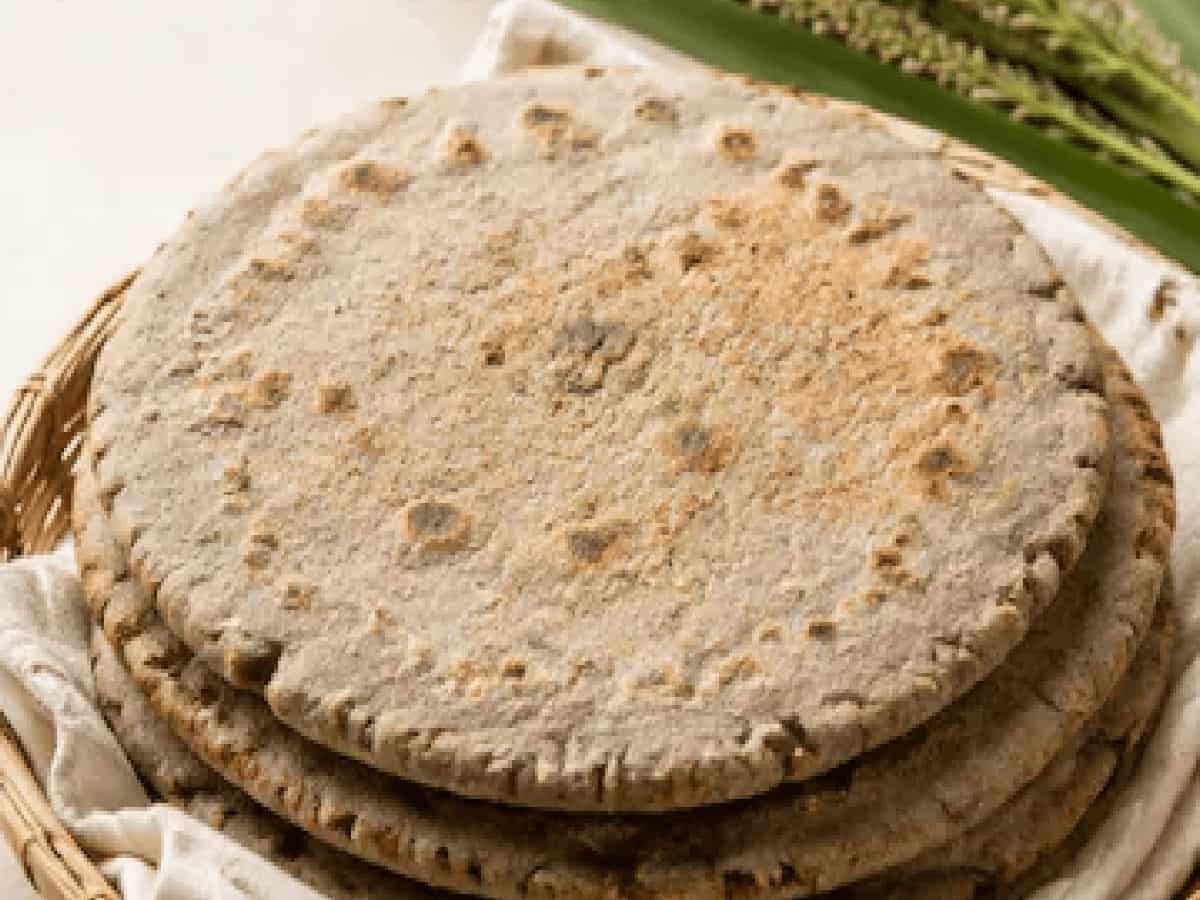
In Indian households, the arrival of winter is marked not just by dropping temperatures and heavy woolen blankets, but by a delightful transformation in our culinary traditions. As the cold sets in, refined wheat flour and lighter summer grains gracefully step aside, making way for rustic, nutrient-dense flatbreads crafted from millets. Passed down lovingly through generations from our grandmothers' kitchens, millets—particularly pearl millet or bajra—have long been celebrated as an absolute treasure trove of nutrition.
Modern nutritional science and Ayurvedic wisdom both agree: incorporating millet rotis into your daily winter diet is one of the best proactive choices you can make for your longevity. Far beyond a seasonal comfort food, health experts emphasize that regular consumption of millet bread can help prevent, manage, and ward off a wide array of chronic lifestyle diseases.
1. Natural Blood Sugar Regulation and Diabetes Management
For individuals grappling with type-2 diabetes or insulin resistance, managing post-meal glucose spikes is a daily challenge. Traditional refined wheat rotis can cause blood sugar levels to surge rapidly due to their higher glycemic index. In stark contrast, millet possesses a notably low glycemic index (GI), meaning its complex carbohydrates break down and release glucose into the bloodstream at a slow, steady pace.
Furthermore, millets are exceptionally rich in dietary fiber. This high fiber content slows down digestion, keeps the stomach feeling satiated for extended periods, and curbs frequent hunger pangs or unhealthy snacking. By replacing standard wheat chapatis with wholesome millet rotis during morning and evening meals, individuals with diabetes can maintain much tighter, more predictable control over their blood sugar levels.
2. Strengthening Bones and Joint Health
As we age, bone density naturally declines, making skeletal health a critical priority—particularly for women navigating post-menopausal hormonal shifts. Joint stiffness, brittle bones, and chronic knee pain are common complaints that worsen significantly during cold winter months.
Millet is packed with a powerful trifecta of bone-building minerals: calcium, magnesium, and phosphorus. These essential nutrients work synergistically to enhance bone mineral density, repair connective tissues, and reinforce skeletal strength. Enjoying a freshly made millet roti alongside a bowl of fresh curd or yogurt provides a potent dose of bioavailable calcium, helping protect your joints and prevent degenerative bone conditions over time.
3. Optimizing Digestion and Combating Constipation
In our fast-paced modern lives, poor dietary habits dominated by refined flours (maida) and processed foods have made digestive disorders—such as chronic constipation, bloating, acidity, and sluggish bowel movements—an everyday struggle for millions.
Millet functions as an internal broom for the digestive tract. Because it is exceptionally rich in insoluble fiber, it adds bulk to stool, stimulates healthy peristaltic movement, and cleanses accumulated impurities from the gut. Eating millet bread keeps the digestive fire (agni) robust, ensures light and comfortable digestion, and provides natural relief for those prone to chronic constipation or hemorrhoids.
4. Protecting Cardiovascular Health and Regulating Blood Pressure
Heart disease remains one of the leading health concerns worldwide, making preventative dietary adjustments vital. Millet is naturally cholesterol-free and contains healthy, unrefined fats that support optimal cardiovascular function.
Additionally, millet is an abundant source of essential minerals like magnesium and potassium. Potassium acts as a natural vasodilator, helping to relax blood vessel walls, ease systemic tension, and maintain normal blood pressure levels. Meanwhile, magnesium helps regulate steady heart rhythms. Incorporating daily millet rotis into your winter menu helps lower harmful low-density lipoprotein (LDL) cholesterol, shielding your heart and significantly reducing the long-term risk of cardiovascular complications.
How and When to Enjoy Millet Roti for Maximum Benefits
While millets are undeniably healthy, understanding how to incorporate them correctly ensures your body absorbs every ounce of their nutritional value. Because millets have a warming (ushna) potency and a dense texture, winter is universally recognized as the ideal season to consume them, as your digestive capacity is naturally stronger during colder months.
For optimal digestion, pair your freshly prepared bajra or multi-millet rotis with a touch of pure ghee, seasonal cooked greens (saag), or lentils. If you are new to millets, start by introducing one millet roti a day and gradually increase your intake as your digestive system adjusts to the high fiber content. By embracing this timeless grain, you can nourish your body from within, stay warm and energized, and build a resilient foundation of health all winter long.