










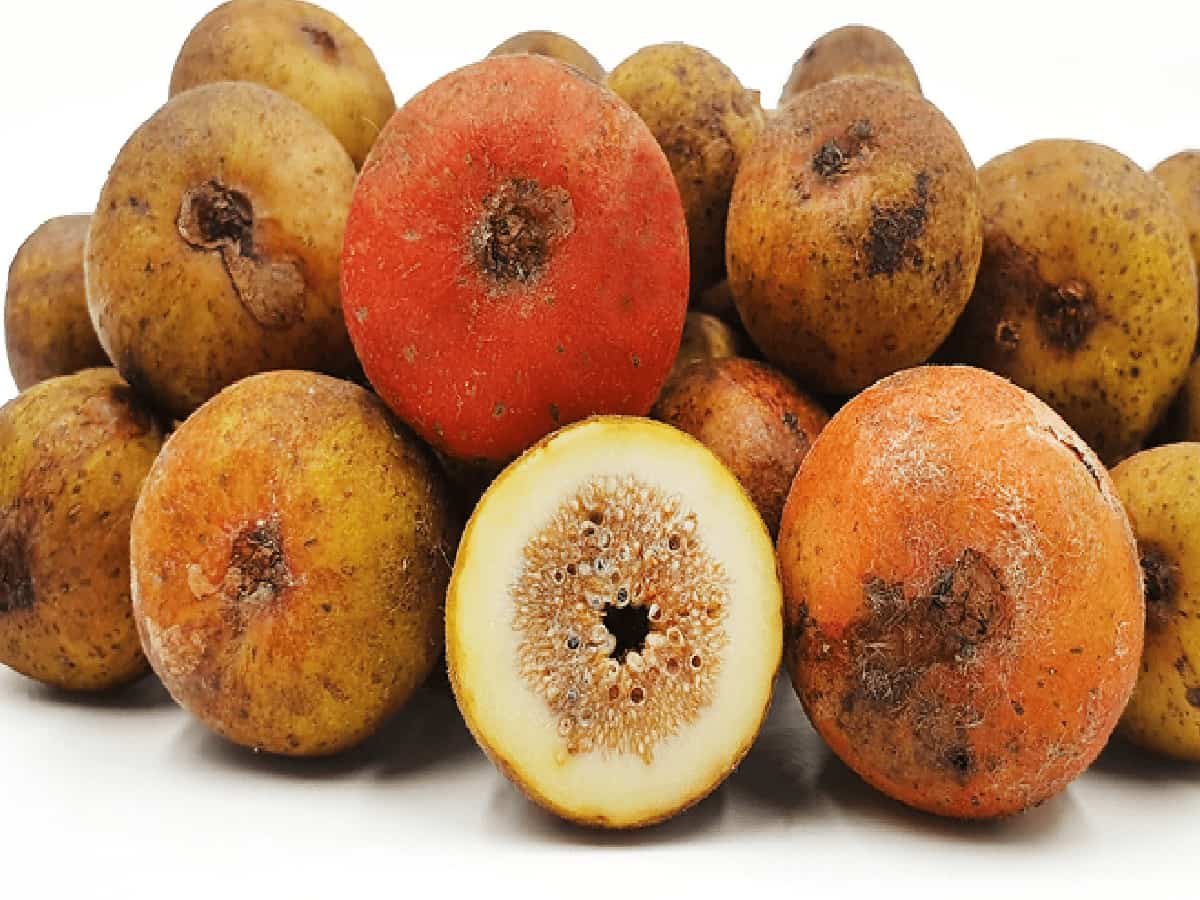
Gular Health Benefits: 6 Conditions Managed by Cluster Fig
Growing quietly along village lanes, temple courtyards, and orchard edges across rural and semi-urban India, Gular—known in Sanskrit as Udumbara and botanically as Ficus racemosa (or Ficus glomerata, commonly called the cluster fig or Indian fig)—is frequently overlooked as an ordinary wild fruit. Yet in classical Ayurveda, every part of the Gular tree—from its reddish-green clustered fruits to its astringent bark and milky latex—is revered as a potent medicinal resource. Explaining its therapeutic value, Dr. Shrey Sharma, an Ayurveda specialist at Ramhans Charitable in Sirsa, notes that Gular supports healthy digestion, helps regulate rising blood sugar, accelerates wound recovery, and relieves physical fatigue when used appropriately. For families and wellness-minded readers across northern India—including households in Uttar Pradesh districts such as Unnao, Kanpur, Lucknow, Prayagraj, and Varanasi, where Gular trees are a familiar sight in orchards and rural belts—rediscovering this traditional fruit offers a grounded look at how age-old botanical wisdom aligns with modern nutritional science.
Six Key Health Benefits of Gular (Udumbara) in Ayurveda
In Ayurvedic pharmacology, Udumbara is characterized primarily by its Kashaya (astringent) and Madhura (sweet) tastes, Sheeta (cooling) potency, and Sthambana (hemostatic and tissue-binding) action. Both classical texts and contemporary phytochemical studies on Ficus racemosa highlight six primary areas where Gular proves beneficial:
-
1. Keeps the Digestive System Strong: Rich in natural dietary fiber, tannins, and gut-soothing compounds, Gular helps ease sluggish digestion, constipation, acidity, and mild stomach upset. In traditional practice, unripe fruits and bark decoctions have also been used to calm loose motions, dysentery, and gastric irritation.
-
2. Supports Blood Sugar Management in Diabetes: Ayurvedic practitioners frequently include Gular in metabolic support regimens because its bioactive compounds—such as beta-sitosterol, flavonoids, and polyphenols—help moderate glucose absorption and support balanced blood sugar levels. However, individuals already taking anti-diabetic medication or insulin should consult their physician before adding Gular regularly, as combining both can cause blood sugar to dip too low.
-
3. Speeds Up Wound Healing and Skin Repair: Beyond the fruit itself, Gular's bark decoction and milky latex have been applied externally for centuries to cleanse minor cuts, boils, ulcers, and localized skin inflammation. Its astringent and antimicrobial properties help contract tissues, curb oozing, and promote faster skin regeneration.
-
4. Combats Physical Weakness and Fatigue: Packed with essential micronutrients—including iron, potassium, manganese, vitamin B2 (riboflavin), and natural antioxidants—ripe Gular acts as a gentle restorative tonic that helps counter general debility, convalescent weakness, and low stamina.
-
5. Reduces Inflammation and Protects Against Infections: According to Dr. Shrey Sharma, Gular carries natural anti-inflammatory and antioxidant properties that help calm internal swelling and strengthen everyday immune resilience against common seasonal infections.
-
6. Supports Women's Reproductive and Menstrual Health: In classical Ayurvedic gynecology (Stree Roga), Udumbara is widely valued for its cooling and Sthambana (bleeding-controlling) qualities, traditionally prescribed under medical supervision to help manage excessive menstrual bleeding (menorrhagia) and leucorrhoea.
How Gular Is Consumed Safely and Precautions to Keep in Mind
In Indian kitchens and traditional households, raw green Gular figs are often peeled, boiled, and cooked into a spiced dry sabzi or kofta, while ripe sweet fruits are eaten fresh—after splitting them open to inspect and clean the inside—or dried and powdered for herbal preparations.
| Part of Gular Tree | Traditional Ayurvedic Use | Key Precaution |
| Ripe & Unripe Fruit | Digestive balance, general vitality, mild metabolic support | Wash thoroughly and inspect inside before eating raw |
| Stem Bark | Herbal decoctions (kwath) for mouth ulcers, diarrhea, and gynecological bleeding | Use only in measured doses advised by an Ayurveda doctor |
| Milky Latex / Sap | External topical application for minor wounds, boils, and swelling | Avoid internal use or sensitive eye/mucosal contact without supervision |
Because Gular has strong astringent and cooling actions, overconsumption can occasionally trigger dryness or constipation in sensitive individuals. Pregnant women, nursing mothers, and anyone managing diabetes, bleeding disorders, or chronic liver and kidney conditions should consult a qualified doctor or certified Ayurveda practitioner before using Gular medicinally.






