Every Minute Counts in a Stroke: Learn the ‘BE FAST’ Warning Signs
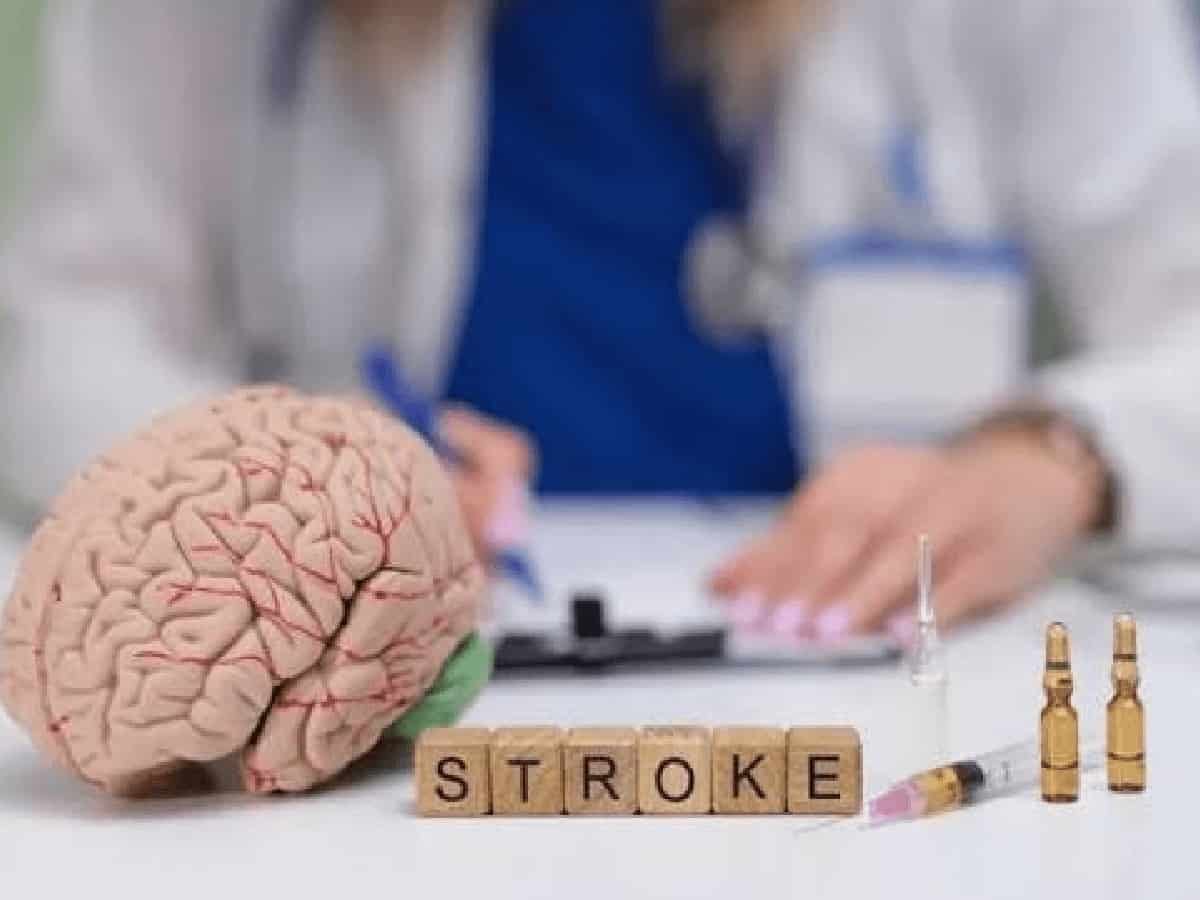
A brain stroke rarely announces itself with dramatic warning bells. Contrary to popular assumption, a stroke does not always begin with someone collapsing unconscious to the floor. More often, it arrives quietly—through a sudden stumble while walking across the room, a coffee cup slipping out of one hand, a brief episode of blurred vision, or a few seconds of slurred words that family members dismiss as mere tiredness, acidity, low blood pressure, or aging. Yet in neurology, every passing minute destroys nearly two million brain cells, making rapid recognition the single greatest determinant of survival and full recovery.
According to Dr. Deepak Chandra Prakash, knowing how to spot subtle neurological red flags and rushing a patient to a stroke-ready hospital across New Delhi, Lucknow, Kanpur, Unnao, Varanasi, Mumbai, or Bengaluru within the critical treatment window can prevent lifelong paralysis or fatal complications.
What Actually Happens Inside the Brain During a Stroke?
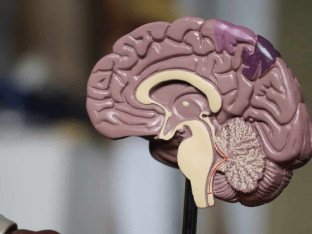
A stroke is a medical emergency that occurs when the blood supply carrying oxygen and vital nutrients to a part of the brain is abruptly interrupted. Neurologists classify strokes into two primary forms:
Ischemic Stroke (Nearly 85% of Cases): Triggered when a blood clot or fatty plaque blocks a cerebral artery, starving downstream brain tissue of oxygen.
Hemorrhagic Stroke: Triggered when a weakened blood vessel inside the brain ruptures, causing localized bleeding and pressure on surrounding brain cells.
In both scenarios, brain tissue begins suffering irreversible injury within minutes unless blood flow is restored or bleeding is controlled promptly.
Subtle Warning Signs Families Must Never Dismiss
Because early neurological deficits can appear mild or brief, families frequently lose precious hours waiting for symptoms to "settle down." Watch closely for these six urgent red flags:
Sudden Difficulty Speaking or Understanding: Words sound slurred, jumbled, or unintelligible, or the person appears unable to comprehend simple spoken sentences.
Weakness or Numbness on One Side of the Body: One side of the face droops when smiling, an arm feels heavy or drifts downward when raised, or one leg suddenly gives way.
Abrupt Loss of Balance or Coordination: Unexplained dizziness, vertigo, staggering, or sudden trouble walking without any prior ear or orthopedic issue.
Sudden Vision Disturbances: Blurred vision, double vision (diplopia), or sudden dimming/loss of sight in one or both eyes—which should never be brushed aside as routine eye strain.
Unexplained Confusion: Sudden disorientation, difficulty recognizing familiar surroundings, or trouble following a routine conversation.
Thunderclap Headache: A sudden, severe, unfamiliar headache—especially when paired with nausea, vomiting, neck stiffness, or fainting—which can signal intracranial bleeding.
The ‘BE FAST’ Formula: A Simple Checklist for Instant Stroke Detection
To help bystanders and family members act without hesitation during an emergency, stroke specialists worldwide rely on the BE FAST acronym:
| Letter | Warning Sign | What to Check Immediately |
|---|---|---|
| B | Balance | Has the person suddenly lost balance, felt dizzy, or struggled to walk straight? |
| E | Eyes | Are they experiencing sudden blurred, double, or lost vision in one or both eyes? |
| F | Face | Ask them to smile—does one side of the face droop or look uneven? |
| A | Arms | Ask them to raise both arms—does one arm drift downward or feel numb? |
| S | Speech | Ask them to repeat a simple sentence—is their speech slurred or strange? |
| T | Time | Time to call emergency services immediately! Note the exact time symptoms started and reach a stroke-ready hospital right away. |
Why the ‘Golden Window’ Determines Recovery
In ischemic stroke care, time is brain. When a patient reaches a hospital equipped with CT/MRI brain imaging and a dedicated stroke unit quickly, doctors can administer intravenous thrombolytic (clot-busting) medication within 4.5 hours of symptom onset to dissolve the blockage. For larger arterial blockages, a minimally invasive catheter procedure known as mechanical thrombectomy can physically extract the clot—typically within 6 hours, and in carefully selected patients up to 24 hours based on advanced brain-perfusion scans. Waiting at home to "see if it gets better" can close this life-saving treatment window permanently.
When Symptoms Vanish in Minutes: The Hidden Danger of a Mini-Stroke (TIA)
Perhaps the most dangerous trap for families occurs when stroke-like symptoms—such as slurred speech or arm numbness—vanish completely within 5 to 20 minutes. Far from signaling that the danger has passed, such episodes are classic hallmarks of a Transient Ischemic Attack (TIA), commonly termed a mini-stroke. A TIA occurs when a clot temporarily blocks blood flow before dissolving or shifting on its own, serving as an urgent biological warning that a major, disabling stroke could strike within days or weeks if left untreated.
While individuals living with high blood pressure (hypertension), diabetes, high cholesterol, heart rhythm disorders, obesity, or a history of smoking carry the highest baseline risk, neurologists caution that strokes are increasingly affecting younger adults in their 30s and 40s—even without traditional risk factors. Recognizing BE FAST and acting without a second’s delay remains the strongest protection every household can carry.