Beyond Smoking: Hidden Lifestyle Habits That Could Be Draining Your Sperm Count
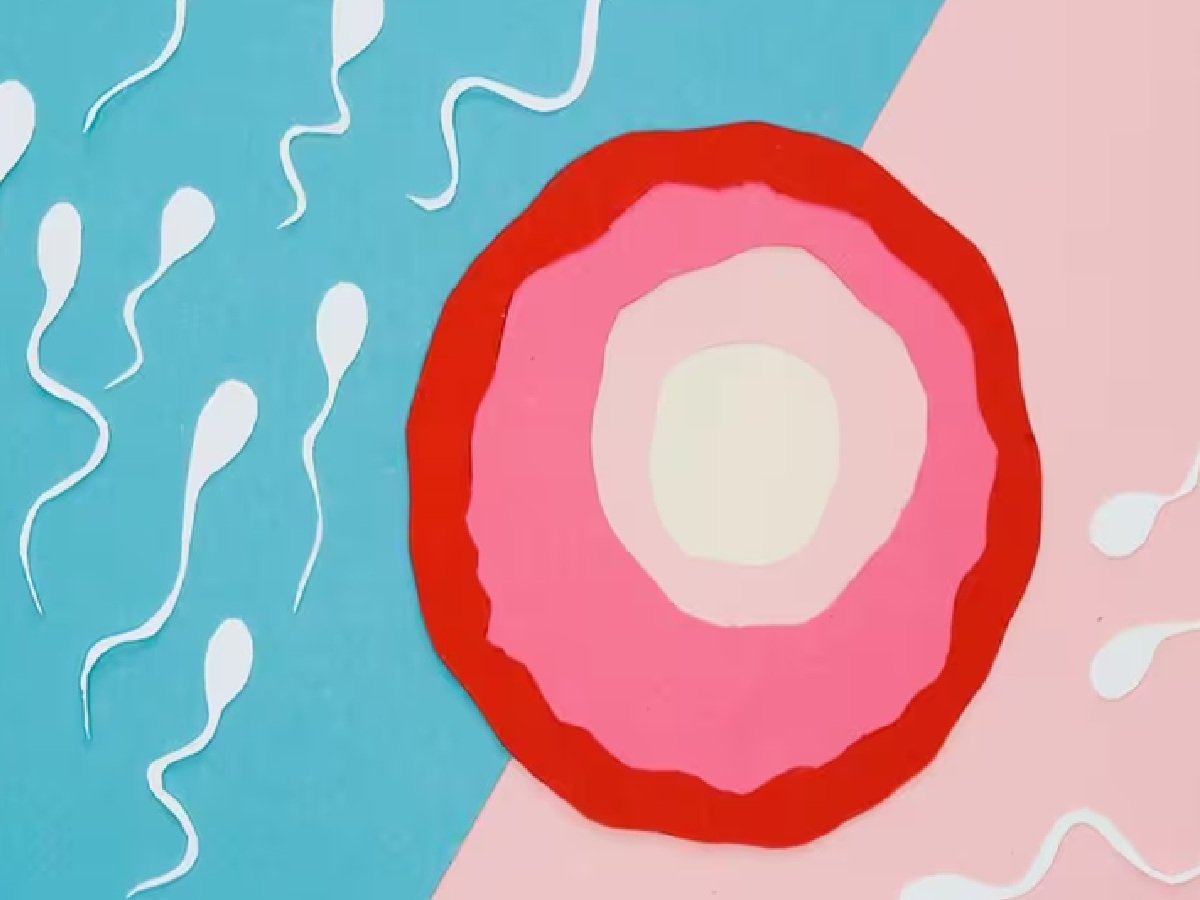
The struggle with male fertility is becoming an increasingly common concern in modern society. While many people immediately link low sperm count to the well-known risks of cigarette smoking and tobacco consumption, the reality is far more complex. A wide range of daily habits, underlying health conditions, and environmental stressors can silently impact male reproductive health. Understanding these lesser-known causes is the first crucial step toward taking control of your fertility and long-term health.
Understanding Low Sperm Count and Azoospermia
In medical terms, low sperm count—clinically known as oligospermia—occurs when the concentration of sperm in an ejaculate drops below the normal range. According to Mayo Clinic guidelines, a count of fewer than 15 million sperm per milliliter of semen is classified as below normal. In more severe cases, a condition known as azoospermia occurs when there are no sperm present in the ejaculate at all. Both conditions can make natural conception exceptionally difficult, though they are not always permanent barriers to fatherhood.
Identifying the Warning Signs
Often, low sperm count remains an "invisible" issue, with the primary sign being the inability to conceive despite regular, unprotected intercourse over a prolonged period. However, in some instances, the body may provide subtle clues. Warning signs can include a noticeable decrease in libido, persistent erectile dysfunction, or physical sensations like pain, swelling, or the presence of lumps in the testicles. These symptoms are frequently linked to deeper hormonal imbalances or underlying medical issues that require professional attention.
Factors Beyond Tobacco: What Affects Fertility?
The impact on sperm count is multifaceted. Beyond the obvious hazards of smoking and alcohol, several other critical factors play a role:
Obesity and Chronic Stress: High body mass index and persistent psychological stress can disrupt the body’s hormonal harmony.
Medical and Hormonal Issues: Thyroid disorders, undiagnosed infections, and a condition known as varicocele (enlargement of the veins within the scrotum) are common culprits.
Medication and Lifestyle: Long-term use of specific medications or recreational drug abuse can negatively alter sperm production. Experts emphasize that if a couple has been unable to conceive after a year of regular efforts, it is time to consult a fertility specialist. Individuals with a history of sexual health problems or prostate issues should seek testing without delay, as early identification often allows for more effective treatment.
Can You Improve Your Sperm Count?
The most important takeaway for those concerned about fertility is that low sperm count does not automatically equate to permanent infertility. Modern medicine offers a variety of pathways forward. Adopting a balanced, nutrient-rich diet, maintaining a healthy weight through regular exercise, and actively managing stress levels can significantly improve both sperm quality and quantity. By coupling these lifestyle modifications with advanced medical interventions and professional guidance, many men are successfully able to overcome these hurdles and move toward their goal of becoming a father.