Bed Bug Bites: Health Risks, Symptoms, and What to Know
In households and traveler accommodations alike, few pests evoke as much instant dread as the bed bug. These small, nocturnal parasitic insects hide expertly within the seams of mattresses, box springs, headboards, and surrounding furniture crevices, emerging under the cover of darkness to feed on human blood. While waking up with itchy red welts is a distressful experience, a common question remains among those affected: do bed bug bites transmit serious diseases, and how dangerous are they to human health?
According to major public health organizations, including the Cleveland Clinic, bed bugs are not classified as disease-carrying vectors. Unlike mosquitoes or ticks, which transmit dangerous pathogens like malaria, dengue, or Lyme disease during a blood meal, bed bugs do not spread infectious diseases through their bites, nor are the bites contagious from person to person. However, while they do not carry systemic pathogens, bed bug bites can still cause significant physical discomfort, intense itching, and secondary complications if proper care is not taken.
How Bed Bug Bites Affect the Skin: Symptoms and Identification
When a bed bug feeds, it pierces the skin and injects a specialized saliva containing a mild anesthetic and anticoagulant. Because of this numbing agent, the bite itself is typically painless and goes completely unnoticed while the person is asleep. Hours or even days later, the body's immune reaction manifests as skin irritation.
The physical appearance of bed bug bites can vary significantly from person to person. Common dermatological presentations include:
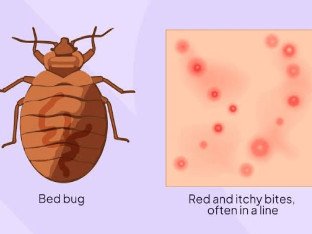
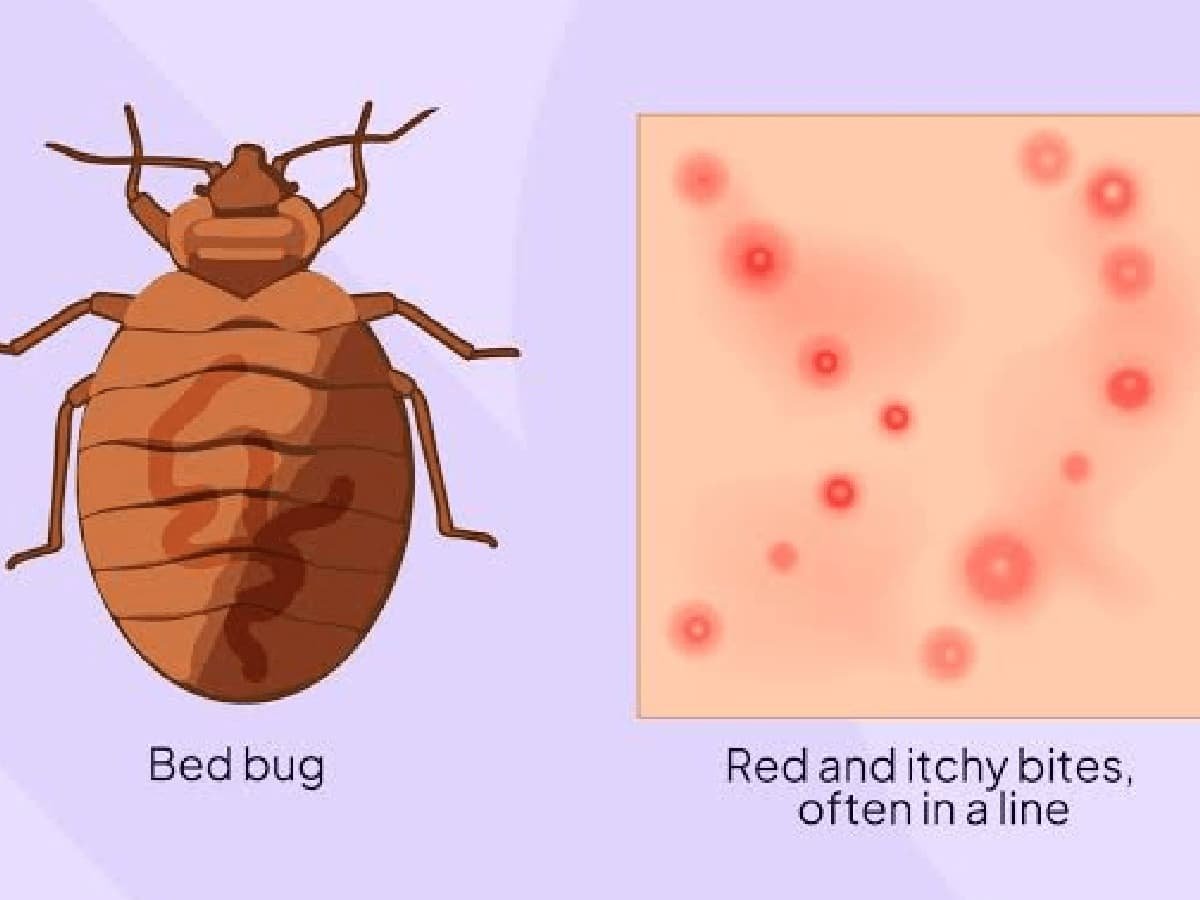
Raised Red Bumps: Small, swollen welts that often appear in clusters, straight lines, or a zigzag pattern along areas exposed during sleep, such as the arms, legs, neck, face, and back.
Dark Centers: Bumps that feature a small, darker red or purple center point where the mouthparts pierced the epidermis.
Blistering: In sensitive individuals or those experiencing a heightened immune response, small, fluid-filled water blisters may develop at the bite site.
Asymptomatic Cases: Interestingly, some people experience virtually no visible skin marks or allergic reaction whatsoever, making it difficult to realize an infestation is present without inspecting the bedding.
Are Bed Bug Bites Dangerous? Assessing Infection and Allergic Risks
For the vast majority of people, bed bug bites are a temporary nuisance that heals naturally within a week or two. However, potential dangers can arise due to secondary reactions and compulsive scratching.
The intense pruritus (itching) triggered by the body's histamine response can be overwhelming. Continuous, aggressive scratching of the bite sites breaks the protective barrier of the skin, creating open abrasions and wounds. These open lesions introduce an elevated risk of secondary bacterial skin infections, such as impetoid dermatitis or cellulitis, which require medical intervention and antibiotic therapy.
Furthermore, in rare instances, individuals may experience a severe systemic allergic reaction or hypersensitivity to bed bug saliva. Warning signs of a severe reaction include widespread blistering, significant swelling of the tongue or lips, breathing difficulties, fever, an irregular heartbeat, or a general feeling of severe malaise. Anyone exhibiting these systemic symptoms should seek immediate medical evaluation.
Effective First Aid and Management Strategies
If you suspect or confirm that you have been bitten by bed bugs, managing the local skin reaction safely is essential to prevent infection:
Gentle Cleansing: Wash the affected bite areas thoroughly and gently using mild soap and warm water to keep the skin clean.
Soothing Lotions: Apply an over-the-counter anti-itch cream, such as a mild hydrocortisone lotion or calamine, to curb the urge to scratch.
Avoid Scratching: Resist the temptation to scratch repeatedly. Keeping fingernails trimmed short can prevent accidental skin tearing during sleep.
Monitor for Infection: Keep a close eye on the healing process. If the bite site becomes increasingly red, hot to the touch, highly swollen, or begins oozing pus or fluid, consult a healthcare professional promptly.
How to Confirm a Bed Bug Infestation
Because bed bug bites can easily be mistaken for mosquito bites, flea bites, or allergic hives, examining your skin alone is rarely enough to confirm an infestation. To verify whether bed bugs are present in your sleeping environment, inspect the seams of your mattress, bed frame joints, and nearby baseboards for physical evidence. Key indicators include live insects, cast-off translucent exoskeletons, tiny dark fecal spots, and small rust-colored blood smears on bed linens. Professional pest control inspection and eradication may be necessary to eliminate an active infestation at its root.