
 Priyanka Tiwari
 Share
Share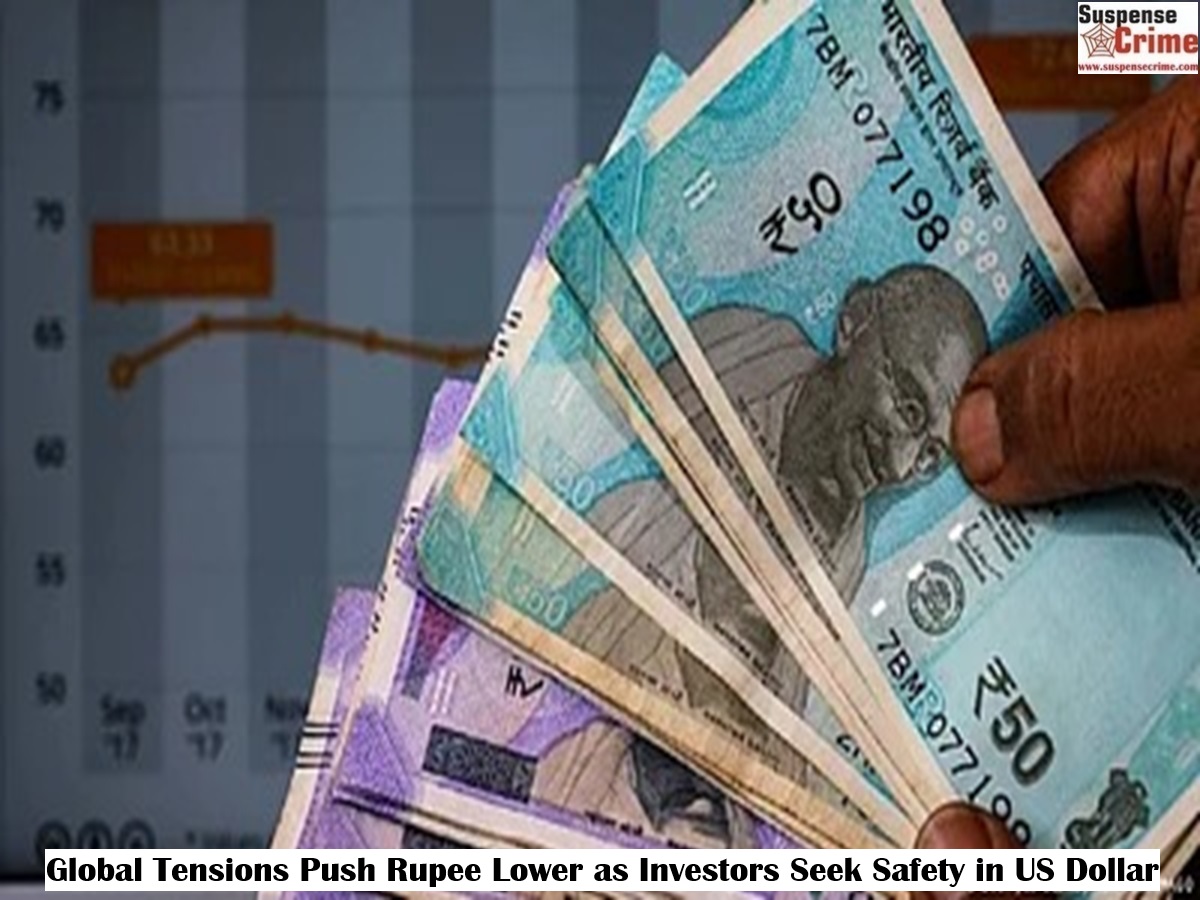
Suspense crime, Digital Desk : Growing fears over a potential escalation of conflict in the Middle East sent ripples through global financial markets on Friday, directly impacting the Indian Rupee. The currency opened weaker, slipping 8 paise to 83.18 against the US dollar, down from its previous close of 83.10.
The primary driver behind the rupee's decline is a classic flight to safety. As geopolitical tensions rise, particularly concerning Israel's potential military operations in Rafah, investors tend to sell off assets in emerging markets and move their money into so-called "safe-haven" currencies. The US dollar is the world's foremost safe haven, and this surge in demand has significantly strengthened it against other currencies, including the rupee.
Compounding the pressure on the rupee is the simultaneous rise in crude oil prices. India is one of the world's largest importers of oil, and these transactions are settled in US dollars. Higher oil prices mean India must spend more dollars to meet its energy needs, which further increases demand for the greenback and weakens the local currency. Both Brent crude and West Texas Intermediate (WTI) futures saw an uptick, reflecting market anxiety.
This trend is reflected in the Dollar Index (DXY), which tracks the dollar's strength against a basket of six other major currencies and was trading higher. Market analysts predict the rupee will likely remain under pressure, trading within a narrow range as these global factors continue to dominate market sentiment.