Priyanka Tiwari
 Share
Share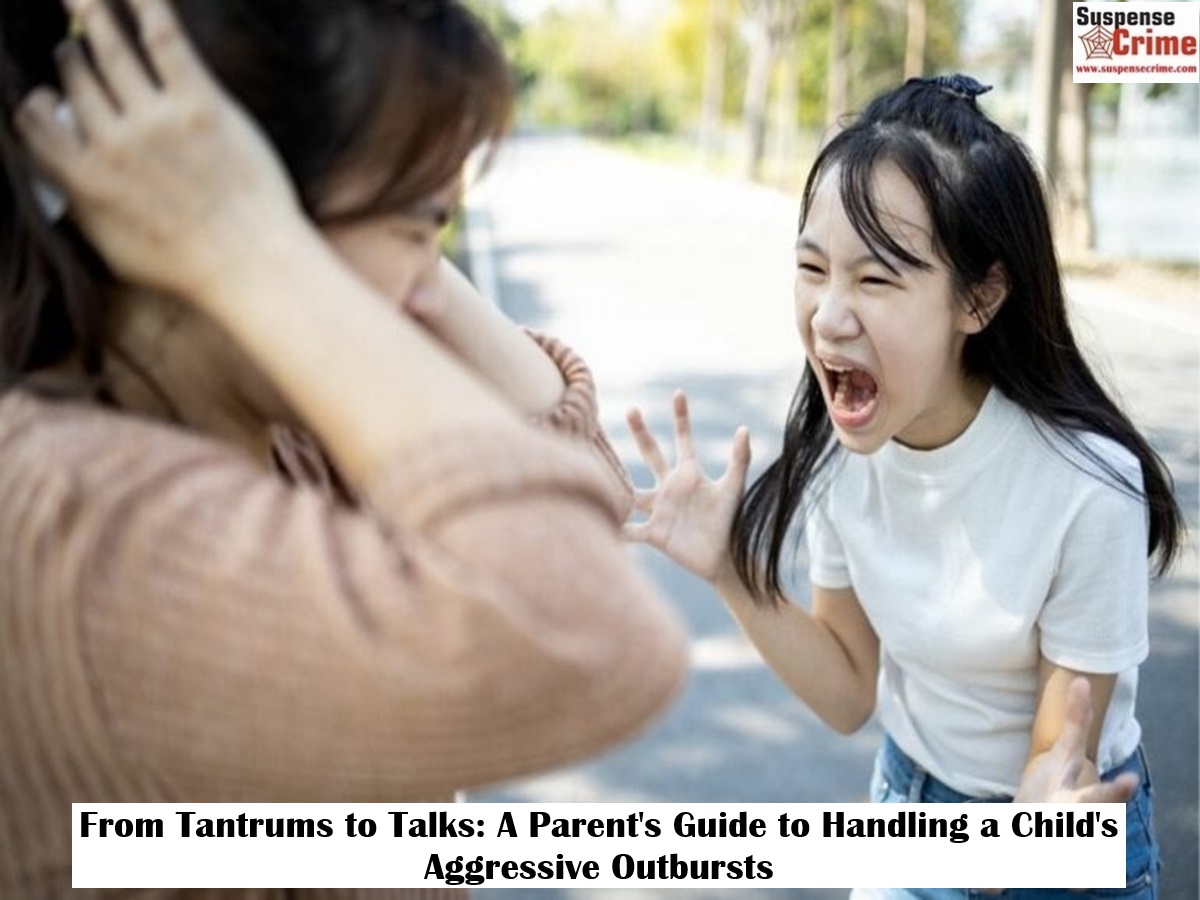
Suspense crime, Digital Desk : It’s a scene that leaves many parents feeling helpless and frustrated: in a flash of anger over something minor, your child throws toys, books, or whatever is within reach. This aggressive behavior can be alarming, but it’s often a sign that a child is overwhelmed by emotions they don’t know how to express. Reacting with anger will only escalate the situation. Instead, a calm, consistent approach can teach them better ways to manage their feelings.
Here are practical strategies to help guide your child away from aggressive outbursts and towards healthier emotional expression.
1. Maintain Your Own Calm
The most important first step is to control your own reaction. If you meet your child's anger with your own, you are unintentionally teaching them that yelling and aggression are acceptable responses to frustration. Take a deep breath. By staying calm, you model self-control and become a de-escalating presence rather than a participant in the chaos.
2. Create a Cooling-Off Period
In the heat of the moment, a child is not ready to listen to reason. Instead of lecturing, give them space. You can say something like, "I see you're very angry right now. Let's take a quiet moment to calm down." This isn't a punishment, but a necessary pause for their emotions to settle. It gives both of you a chance to reset.
3. Talk, Don't Lecture
Once your child has calmed down, approach them gently. This is the time for connection, not confrontation. Get on their level and ask what made them so upset. Help them label their feelings by saying, "It sounds like you felt really frustrated when that happened." Listen to their side of the story without judgment to understand the root cause of their outburst.
4. Explain the Consequences Clearly
Calmly explain why throwing things is not acceptable. Focus on the natural consequences rather than punishment. For instance, you can say, "When you throw your toys, they can break, and then we can't play with them anymore," or "Throwing things is dangerous because it could hurt someone." This helps them understand the impact of their actions.
5. Teach Healthy Outlets for Anger
Children need to know that feeling angry is okay, but how they show it matters. Provide them with safe alternatives to express their frustration. Encourage them to punch a pillow, stomp their feet in their room, rip up old paper, or use their words by saying "I am mad!" Teaching these coping skills gives them the tools they need for a lifetime of emotional regulation.
6. Be the Role Model
Children are always watching. They learn more from your actions than your words. When you handle your own stress and anger in a constructive way—by taking a deep breath, talking through your feelings, or walking away for a moment—you provide the most powerful lesson of all.
Read More: Get Korean Glass Skin at Home: The ₹5 Secret Ingredient for a Glowing Night Cream