










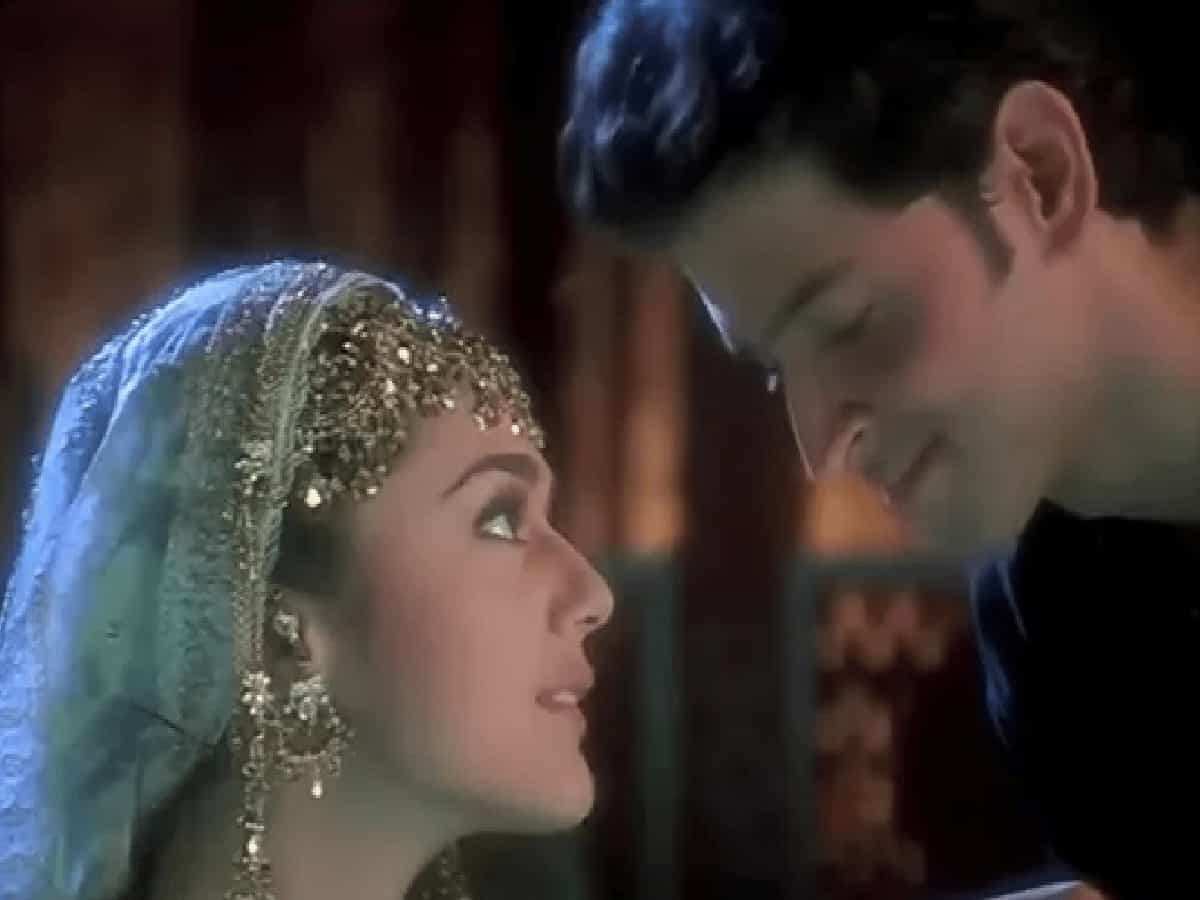
Preity Zinta's Cult Song 'Bumbro' and Its Deep Kashmiri Folk Roots
Indian cinema has long served as a living tapestry of the nation's regional languages, folk rhythms, and traditional attire—and few Bollywood dance numbers embody that cultural richness as effortlessly as Preity Zinta and Hrithik Roshan's evergreen chartbuster "Bumbro". Featured in filmmaker Vidhu Vinod Chopra's critically acclaimed 2000 thriller Mission Kashmir—which starred Sanjay Dutt, Jackie Shroff, Hrithik Roshan, Preity Zinta, and Sonali Kulkarni—"Bumbro Bumbro Shyam Rang Bumbro" has remained an indispensable wedding-sangeet and festive favorite across India for 26 years. While millions of fans know every beat of its infectious chorus and picture Preity Zinta's graceful seated choreography alongside Hrithik Roshan's high-voltage leaps, many listeners still wonder what the Kashmiri refrain actually signifies. Grounded in a celebrated traditional Kashmiri folk melody and elevated by legendary poet Rahat Indori's playful Urdu-Hindi verses, the song transforms an intimate Kashmir Valley wedding celebration into one of Hindi cinema's most enduring musical milestones. For music lovers, wedding planners, and Bollywood nostalgia readers across northern India—including audiences in Lucknow and neighboring Uttar Pradesh cities such as Unnao, Kanpur, Prayagraj, and Varanasi, where winter wedding playlists routinely feature "Bumbro" alongside classic Awadhi and North Indian folk numbers—revisiting the story behind this 2000 gem reveals why its charm has never faded.
What Does 'Bumbro' Actually Mean in Kashmiri Folk Tradition?
In the Kashmiri language, the word "Bumbro" (also pronounced Bambroo) translates directly to "bumblebee" (bhavra in Hindi). Within traditional Kashmiri wedding songs (Wanwun and folk dance numbers), the bumblebee is an affectionate poetic metaphor for a handsome, youthful groom or charming young man arriving at the festivities.
When the chorus asks, "Bumbro bumbro shyam rang bumbro, aaye ho kis bagiya se tum" ("O dark-hued bumblebee, which garden have you flown in from?"), the bride's friends and family are playfully teasing the handsome young guest—celebrating the joy, mehndi blessings, and good fortune he brings to the wedding night.
Preity Zinta's Iconic Kashmiri Look and the Creative Trio Behind the Track
Visual authenticity played an equally decisive role in cementing "Bumbro" in pop-culture memory:
| Creative & Cultural Element | Behind-the-Scenes Details From Mission Kashmir (2000) |
|---|---|
| Preity Zinta's Kashmiri Attire | Filmed during a traditional mehndi / wedding sequence, Preity Zinta wore a richly embroidered Kashmiri pheran, a traditional Kashmiri skullcap (kasaba / embroidered cap) draped with a delicate, vibrant veil, and authentic silver Kashmiri dejhor and traditional jewelry, creating an iconic bridal-festive look that remains widely recreated 26 years later. |
| Graceful Seated Choreography | Throughout much of the number, Preity Zinta performs intricate hand and upper-body movements while seated amidst the wedding circle, contrasting brilliantly with Hrithik Roshan's explosive, agile dance moves behind her. |
| Three Vocal Powerhouses | The track was brought to life by an unforgettable vocal trio—Shankar Mahadevan, Jaspinder (Jaswinder) Narula, and Sunidhi Chauhan—blending robust folk energy with bright celebratory harmonies. |
| Lyrics & Music Composition | Written by the late, legendary shayar Rahat Indori and composed by the acclaimed trio Shankar–Ehsaan–Loy, who wove authentic Kashmiri folk cadences into a contemporary orchestration. |
Why 'Bumbro' Remains a Cultural Bridge After 26 Years
More than a quarter-century after Mission Kashmir hit theatres in October 2000, "Bumbro" endures because it never treated regional culture as mere decoration. By pairing a genuine Kashmiri folk hook with Rahat Indori's poetic warmth, Shankar–Ehsaan–Loy's rhythmic mastery, and three powerhouse voices, the song turned a local Valley wedding tune into a timeless celebration shared across every corner of the country.






