

 Priyanka Tiwari
 Share
Share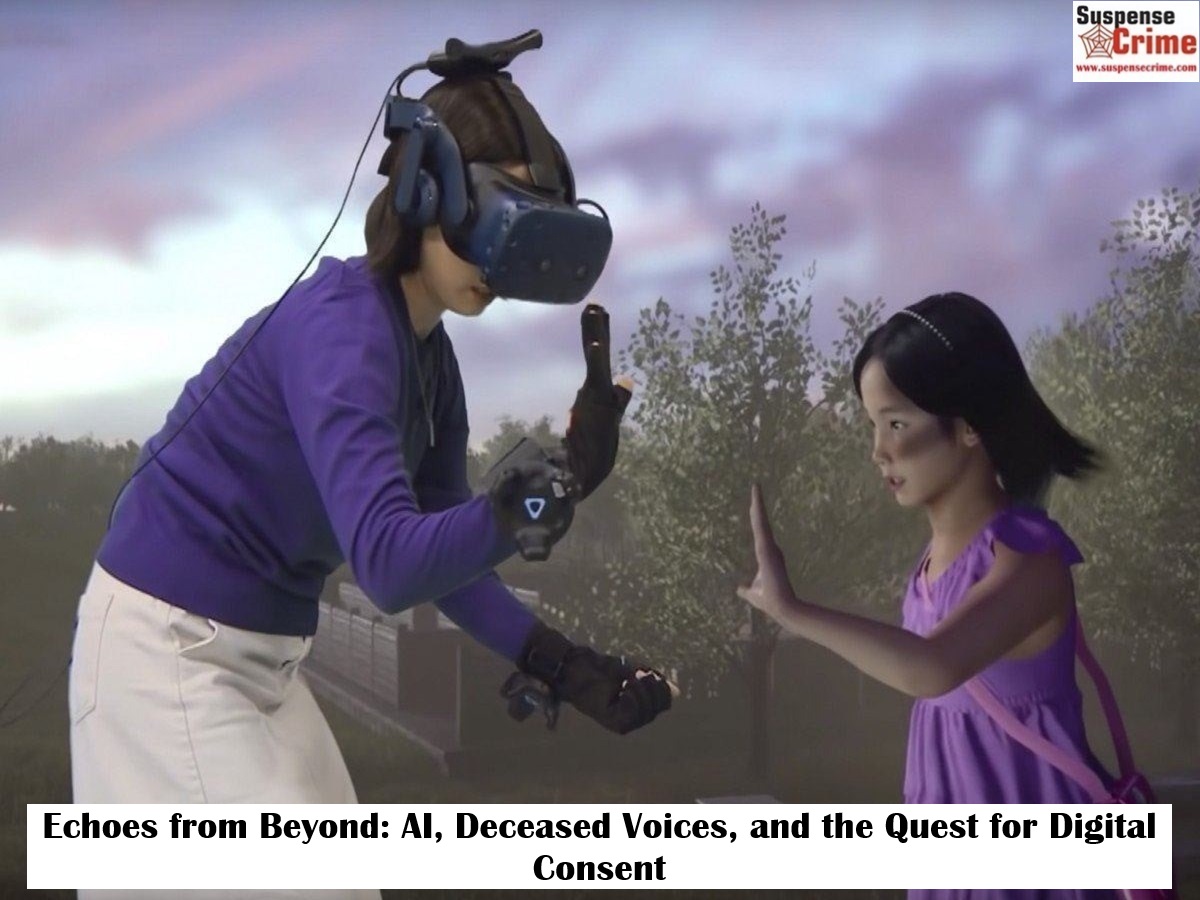
Suspense crime, Digital Desk : Imagine hearing a beloved actor, long passed, deliver new lines in a movie, or a historical figure give a speech they never uttered. Artificial intelligence is making this startling possibility a reality, capable of resurrecting voices from the past. But as this technology rapidly advances, it unearths a complex web of ethical dilemmas and legal quandaries: who truly owns the voice of someone who is no longer with us?
The power of AI voice cloning is remarkable. Algorithms can analyze often minimal existing audio recordings – old interviews, film dialogue, or even personal voicemails – and learn to replicate a person's unique vocal patterns, intonation, and timbre. This allows for the creation of entirely new speech that sounds uncannily like the original speaker. We've seen glimpses of this with actors like Val Kilmer, whose voice, affected by illness, was recreated for "Top Gun: Maverick," or reports of James Earl Jones's iconic Darth Vader voice being preserved and utilized through AI with his consent.
While these instances may involve agreement, the technology's accessibility raises profound questions when consent is absent or impossible to obtain from the deceased. Does the right to use a voice pass to their estate, like other forms of intellectual property? Or does it become a free-for-all for creative or commercial exploitation?
The term "digital necromancy" is sometimes used, and it captures the unsettling nature of bringing a part of someone back without their explicit permission for new purposes. Families might find it deeply distressing to hear a loved one's voice used in ways they believe the deceased would have disapproved of, or to have their grief complicated by an artificial echo. Furthermore, there's the risk of misrepresentation – making the dead "say" things they never would have, potentially tarnishing their legacy or spreading misinformation.
Current legal frameworks, such as copyright (which typically doesn't cover a voice itself) and the "right of publicity" (protecting a person's name, likeness, and other persona aspects from unauthorized commercial use), are struggling to keep pace. These laws vary significantly by jurisdiction and often weren't designed with sophisticated AI voice replication in mind, especially concerning posthumous rights.
The entertainment industry, advertisers, and even individuals seeking to create digital memorials are all potential users of this technology. Without clear guidelines, we face a future where the voices of the departed could be used to endorse products, star in new (or altered) media, or even interact in virtual environments, all without their prior say-so.
This isn't just about celebrities; it's about the fundamental right to one's own identity, even after death. As AI continues to blur the lines between the real and the artificial, society must grapple with these issues. We need thoughtful discussions and potentially new legal protections to ensure that innovation doesn't come at the cost of dignity, respect for the deceased, and the wishes they may have held for their own legacy. The conversation about who gets to make the dead speak, and what they are allowed to say, is only just beginning.
Read More: WhatsApp Inbox Cleanup: How to Clear All Unread Messages in One Click

_132300150_100x75.jpg)
_430488585_100x75.jpg)
_1333714631_100x75.jpg)
_58079313_100x75.jpg)