
 Priyanka Tiwari
 Share
Share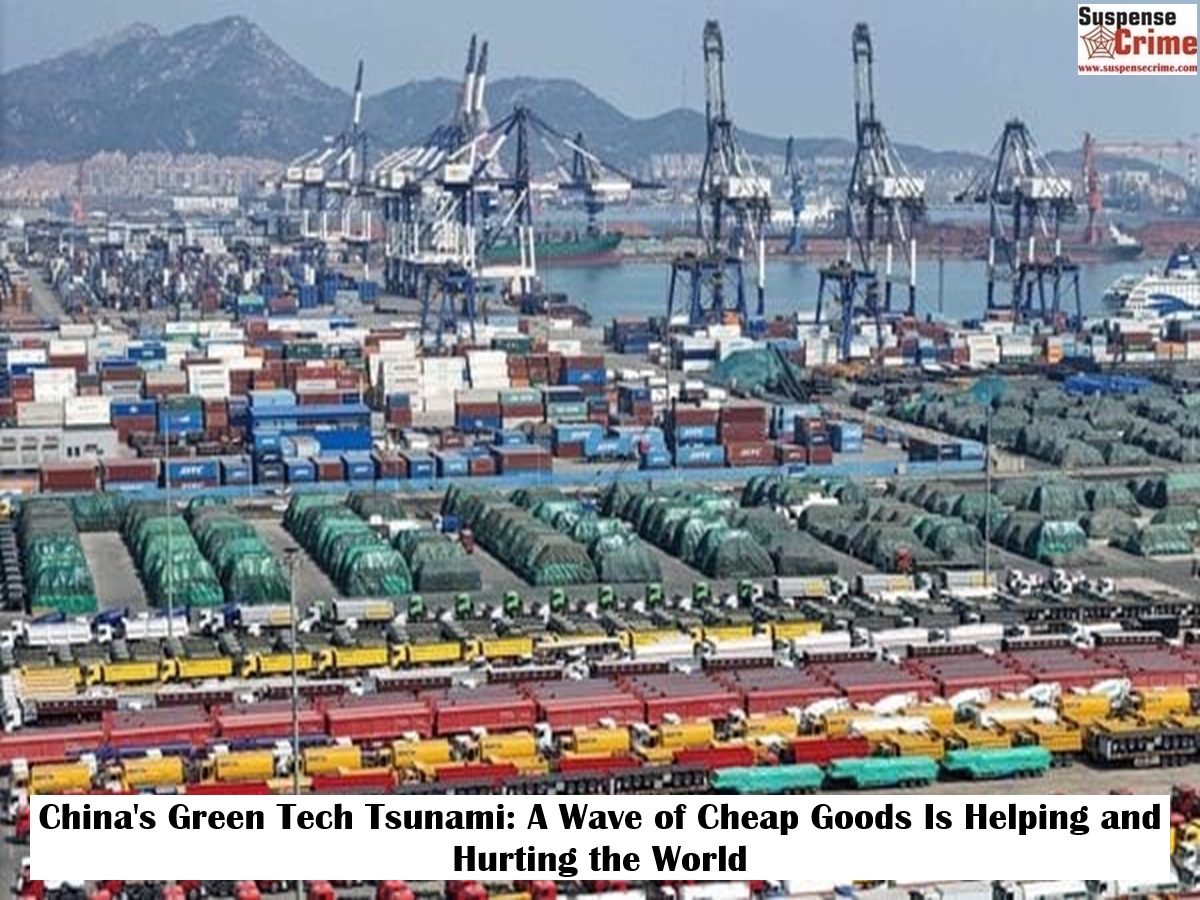
Suspense crime, Digital Desk : A new global economic storm is brewing, and it's coming from China. Dubbed the "new China shock," it involves a massive surge of high-tech, green-energy products—like electric cars, solar panels, and lithium batteries—flooding international markets at incredibly low prices.
But this time, the biggest impact isn't being felt in the United States or Europe. It's hitting the developing world, creating both a golden opportunity and a serious threat.
What is Causing This Tsunami of Goods?
The root of the problem is China's own struggling domestic economy. With its real estate market in crisis and consumer spending weak, China is facing a massive problem of overcapacity—it's making far more than its own people can buy. To keep its factories running and its economy afloat, Beijing is directing this surplus outward, exporting it to the rest of the world.
The US and the European Union have responded by erecting trade barriers and imposing steep tariffs to protect their own burgeoning green industries from this flood of cheap imports. As a result, China's export machine has been forced to find new customers.
The Developing World's Double-Edged Sword
The redirected wave of Chinese goods is now crashing onto the shores of Latin America, Southeast Asia, and the Middle East. For these nations, it's a double-edged sword.
The Upside: A Green Energy Bonanza. Consumers and governments in countries like Brazil and Vietnam can now buy advanced electric vehicles and solar technology at a fraction of the cost. This can accelerate their transition to green energy and help them meet their climate goals much faster.
The Downside: Crushing Local Industry. This flood of ultra-cheap goods risks wiping out local industries before they even have a chance to grow. A small, emerging solar panel manufacturer in Vietnam or an automaker in Brazil simply cannot compete with the scale and low prices of Chinese state-subsidized companies. This phenomenon, known as de-industrialization, threatens the long-term economic health and manufacturing ambitions of these developing nations.
An Impossible Choice
This leaves developing countries in an incredibly difficult position. Do they embrace the cheap Chinese goods for the immediate benefits, at the risk of sacrificing their own industrial future? Or do they follow the US and Europe by imposing tariffs, which could anger China and slow their access to affordable green technology?
This new "China shock" is fundamentally different from the one 20 years ago, which was about low-tech goods like toys and textiles. Today, it's about the core technologies of the 21st-century economy. How the world navigates this challenge will reshape global trade, influence geopolitical alliances, and determine the industrial winners and losers of the coming decade.
_1297495186_100x75.jfif)
_340260878_100x75.jfif)
_1388856202_100x75.jfif)
_1404400382_100x75.jfif)
_19172846_100x75.jfif)