










₹45 Cr Budget, Yet Raipur Schools Lack Sanitary Pads; Machines Broken
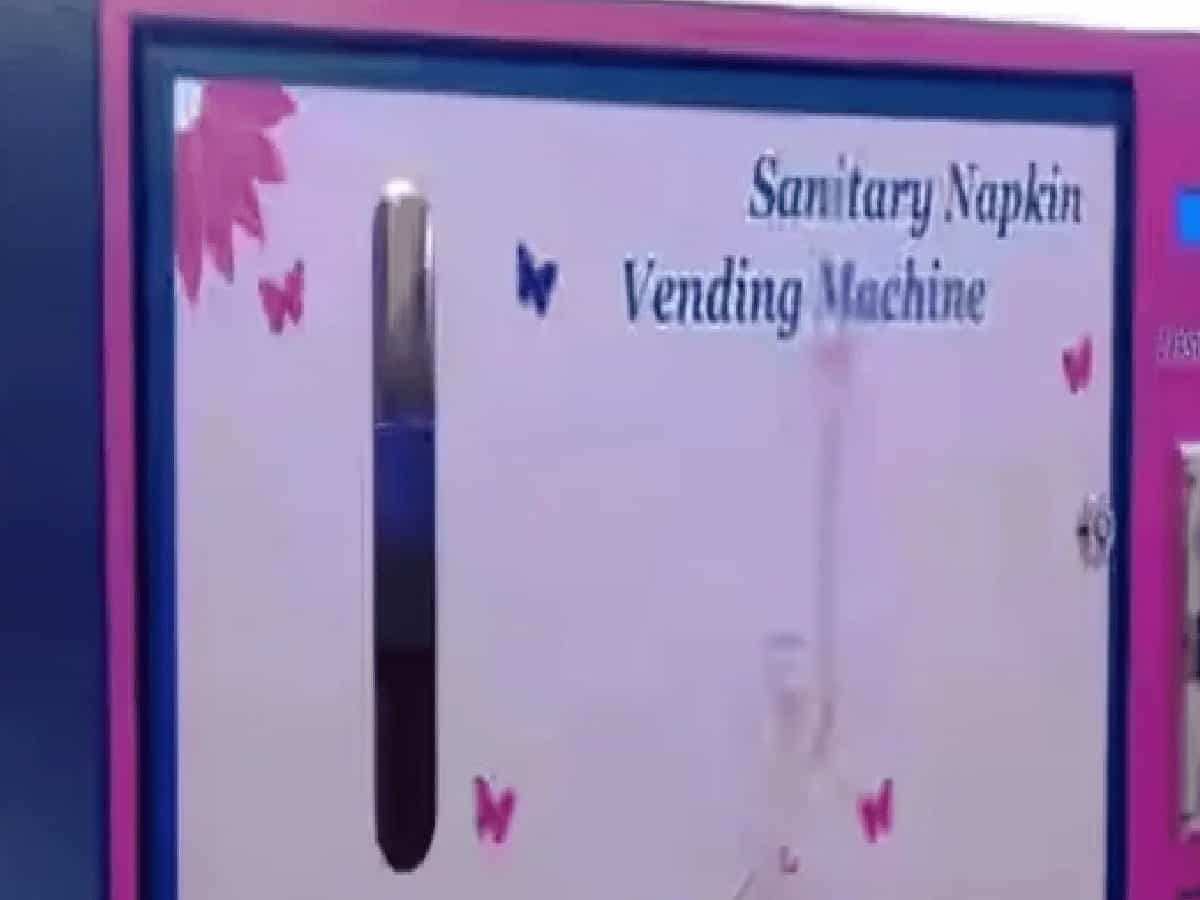
A troubling gap between welfare spending on paper and ground-level execution has surfaced across government schools in Chhattisgarh's capital, Raipur, where female students are struggling to access basic menstrual hygiene products despite a ₹45.50 crore five-year budget allocation under the state's flagship Suchita Yojana. According to official School Education Department records and field inspections across Raipur institutions, out of 2,943 sanitary pad vending machines supplied to schools between 2021–22 and 2023–24, as many as 1,330 machines—roughly 45%—are non-functional or out of order, leaving only 1,613 working units across the network. Even where machines physically remain intact inside Raipur campuses, dispensers frequently sit empty due to irregular pad refills and an absence of maintenance accountability—forcing teenage students during menstruation to quietly seek help from female teachers or rely on improvised arrangements made by individual school principals. Taking serious cognizance of inspection findings, Dr. Varnika Sharma, Chairperson of the Chhattisgarh State Commission for Protection of Child Rights, has formally recommended installing and maintaining functional sanitary pad vending machines across all government and private schools as well as girls' hostels. For parents, educators, public-health advocates, and readers across Uttar Pradesh—especially in state capital Lucknow and neighboring centers such as Unnao, Kanpur, Prayagraj, and Varanasi, where school menstrual-hygiene initiatives and girls' attendance retention remain top public-policy priorities—the Raipur ground report illustrates why hardware installation without ongoing maintenance and refill monitoring undermines student welfare.
Five-Year Suchita Yojana Budget and Vending Machine Status in Chhattisgarh Schools
| Financial Year / Metric | Official Allocation & Infrastructure Status | Ground-Level Reality Flagged in Raipur |
| FY 2019–20 Allocation | ₹6.00 crore | Initial rollout aimed at promoting menstrual hygiene and reducing school absenteeism among girls. |
| FY 2020–21 Allocation | ₹10.00 crore | Funds earmarked for procurement and school-level hygiene infrastructure. |
| FY 2021–22 Allocation | ₹6.50 crore | Beginning of the 2021–24 vending machine installation cycle. |
| FY 2022–23 Allocation | ₹11.00 crore | Expansion across government and Swami Atmanand schools. |
| FY 2023–24 Allocation | ₹12.00 crore (Total 5-Year Outlay: ₹45.50 crore) | Lack of post-installation repair contracts and refill oversight left machines idle. |
| Vending Machine Audit (2021–24) | 2,943 total machines supplied — 1,613 functional vs. 1,330 broken (~45% unusable). | No clear departmental clarity on vendor repair responsibility or regular stock replenishment. |
Ground Reality Inside Raipur Schools: Broken Dispensers and Uninstalled Units
When Kavya (name changed), a student at a government school in Raipur, urgently needed a sanitary pad during school hours, she found no supply available—an experience shared by hundreds of girls across the capital. Spot checks across prominent Raipur schools reveal systemic neglect:
-
Zora Government School: Of the two sanitary pad vending machines installed on campus, one is completely out of order while the second is empty, forcing female teachers to arrange pads for students from external sources.
-
Fundhar Government School: The campus vending machine is non-functional, compelling school authorities to rely on ad-hoc alternative arrangements when girls require pads.
-
Shaheed Smarak School: Vending machines were removed during washroom renovation work, and teachers confirmed that no official pad supplies have arrived for the past two years, leaving the school management to buy pads out of its own local funds.
-
R.D. Tiwari School: Existing older machines are broken, and although new vending machines were delivered, agency technicians reportedly left them sitting uninstalled—leaving school staff to figure out installation on their own.
Child Rights Commission Calls for Universal Installation and Accountability
Despite repeated complaints from Raipur, Durg-Bhilai, and Dhamtari, Education Department officials have offered no clear explanation regarding who is responsible for repairing faulty machines or monitoring regular pad restocking. Flagging the distress caused to adolescent girls during menstruation, Child Rights Protection Commission Chairperson Dr. Varnika Sharma stressed that field inspections confirmed widespread unavailability of pads inside schools and urged mandatory, monitored installation of working vending machines across all government schools, private schools, and girls' hostels so that no student's dignity or classroom attendance is compromised.






