










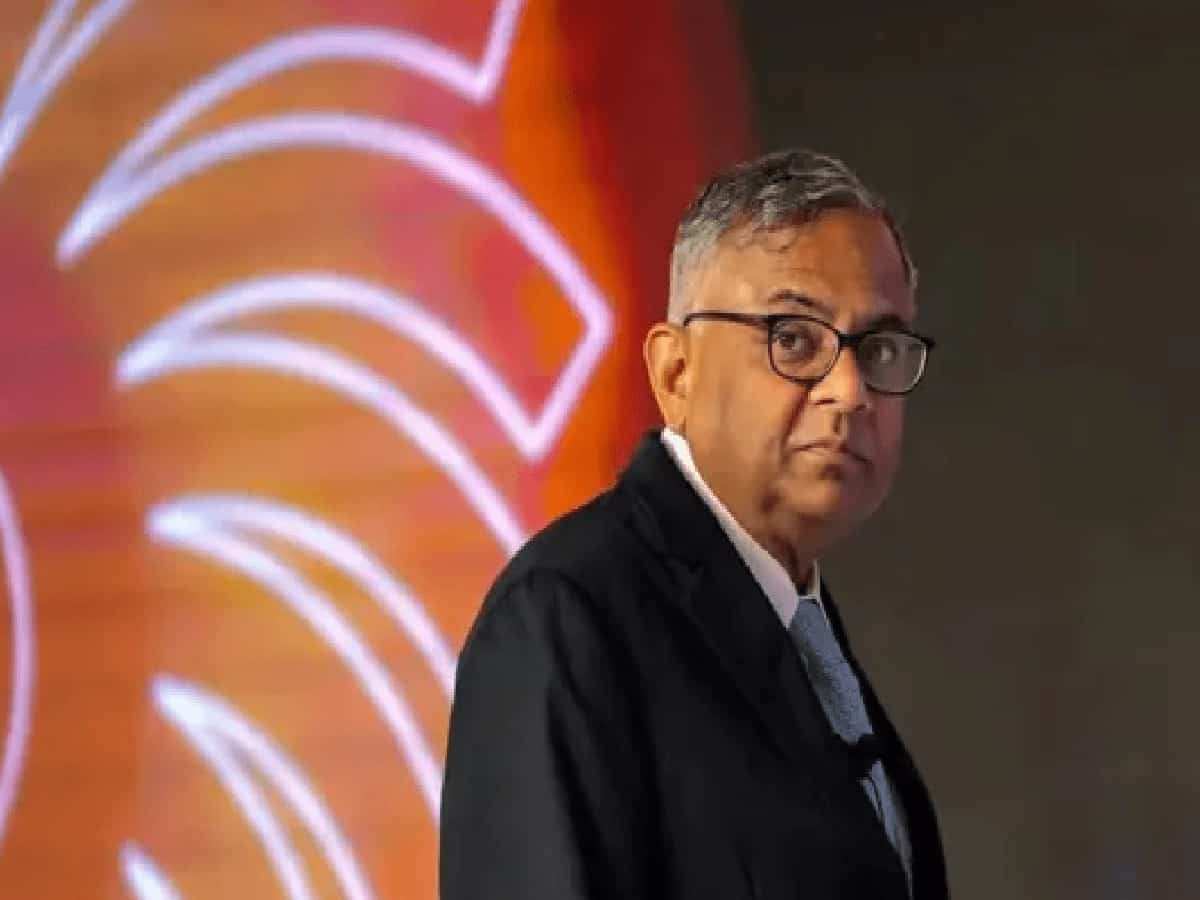
Tata Trusts Moves Bombay HC Against Chandrasekaran's Reappointment
A major boardroom confrontation at the apex of India's largest corporate conglomerate escalated into a courtroom battle on Thursday, November 26, 2026, as two key philanthropic shareholders—Sir Dorabji Tata Trust (SDTT) and R.D. Tata Trust (RDTT)—approached the Bombay High Court challenging the reappointment of N. Chandrasekaran as Executive Chairman of Tata Sons. Following an urgent mention, the Bombay High Court scheduled the matter for hearing on Friday, November 27, 2026—just three days before Tata Sons' crucial upcoming board meeting on November 30, 2026. At the heart of the suits filed against Tata Sons and six of its board directors is a disputed September 17, 2026 board resolution approving a fresh five-year tenure for Chandrasekaran beyond February 20, 2027 (frequently referred to in reports as his third term at the helm since taking charge in 2017 or second reappointment term). Alongside seeking a judicial declaration that the September 17 resolution is ultra vires the company's Articles of Association (AoA) and therefore null and void, the two trusts have collectively claimed ₹65 crore in damages—₹50 crore sought by SDTT and ₹15 crore sought by RDTT—along with 18 percent annual interest until realization. For investors, corporate governance watchers, and business readers across Uttar Pradesh—including households, market participants, and industrial observers in Lucknow and neighboring commercial centers such as Unnao, Kanpur, Prayagraj, and Varanasi, where Tata Group companies play a major role across retail investments, automotive manufacturing, IT services, and consumer goods—the legal clash carries far-reaching implications for corporate governance at Bombay House.
Why Tata Trusts Challenged the September 17 Board Vote and Casting-Vote Ruling
The dispute stems from how votes were tallied at the September 17, 2026 Tata Sons board meeting, where N. Chandrasekaran abstained from voting on his own extension:
| Governance Element | What Happened on September 17, 2026 | Tata Trusts' Legal Argument in Bombay High Court |
| Overall Board Tally | Resolution was recorded as passed 4–1 (Venu Srinivasan, Harish Manwani, Anita M. George, and Saurabh Agrawal voted in favor; Noel Tata voted against). | Overall director headcount cannot override special shareholder-protection clauses embedded in Tata Sons' Articles of Association. |
| Split Between Trust-Nominated Directors | Between the two directors nominated under Article 104B, Noel Tata opposed the resolution while Venu Srinivasan supported it. | Under Article 121 of the AoA, key resolutions require the affirmative vote of a majority of Trust-nominated directors present at the meeting. |
| Use of Presiding Chair's Casting Vote | Presiding director Harish Manwani treated the two Trust nominees as equally divided and exercised a casting vote in favor of Chandrasekaran's reappointment. | When only two Trust-nominated directors are present and one dissents, a majority of Trust nominees does not exist—and a chair's casting vote cannot substitute for mandatory affirmative consent. |
Urgent Interim Relief Sought Ahead of the November 30 Board Meeting
After declaring the September 17 resolution legally ineffective in a September 20 statement and exchanging multiple formal communications with Tata Sons over the following weeks without resolution, trustees of SDTT and RDTT passed circular resolutions on November 25 authorizing immediate litigation (with Noel Tata, Neville Tata, and Bhaskar Bhat backing court action while Venu Srinivasan and Vijay Singh opposed it). Notably, neither trust has sought relief against Noel Tata.
Ahead of the November 30, 2026 Tata Sons board meeting—which is expected to take up major strategic matters, including questions surrounding Tata Sons' regulatory listing status on which Noel Tata has voiced reservations—the petitions seek urgent interim directions:
-
Stay on Reappointment Implementation: Restraining Tata Sons and its directors from acting upon or giving effect to the September 17, 2026 resolution extending Chandrasekaran's tenure past February 20, 2027.
-
Bar on Casting Vote in Future Splits: Preventing the presiding chair at the November 30 board meeting (and future meetings) from using a casting vote to deem any resolution passed whenever the two Trust-nominated directors are divided.
-
Damages With 18% Interest: Directing payment of ₹50 crore to Sir Dorabji Tata Trust and ₹15 crore to R.D. Tata Trust (totalling ₹65 crore), carrying 18% per annum interest from the date of filing.
What Friday's Hearing Means for Tata Group Governance
Together, Tata Trusts—chaired by Noel Tata—hold roughly 66 percent of Tata Sons' equity (including 1,13,067 ordinary shares held by SDTT and 8,838 shares held by RDTT). While Tata Sons maintains that the September 17 resolution was validly adopted, Friday's November 27 hearing before the Bombay High Court will test how far Article 121 shields majority-trust veto rights inside India's most storied business house.






