










Rani Laxmibai Scooty Scheme: Private Colleges Dominate Ballia List
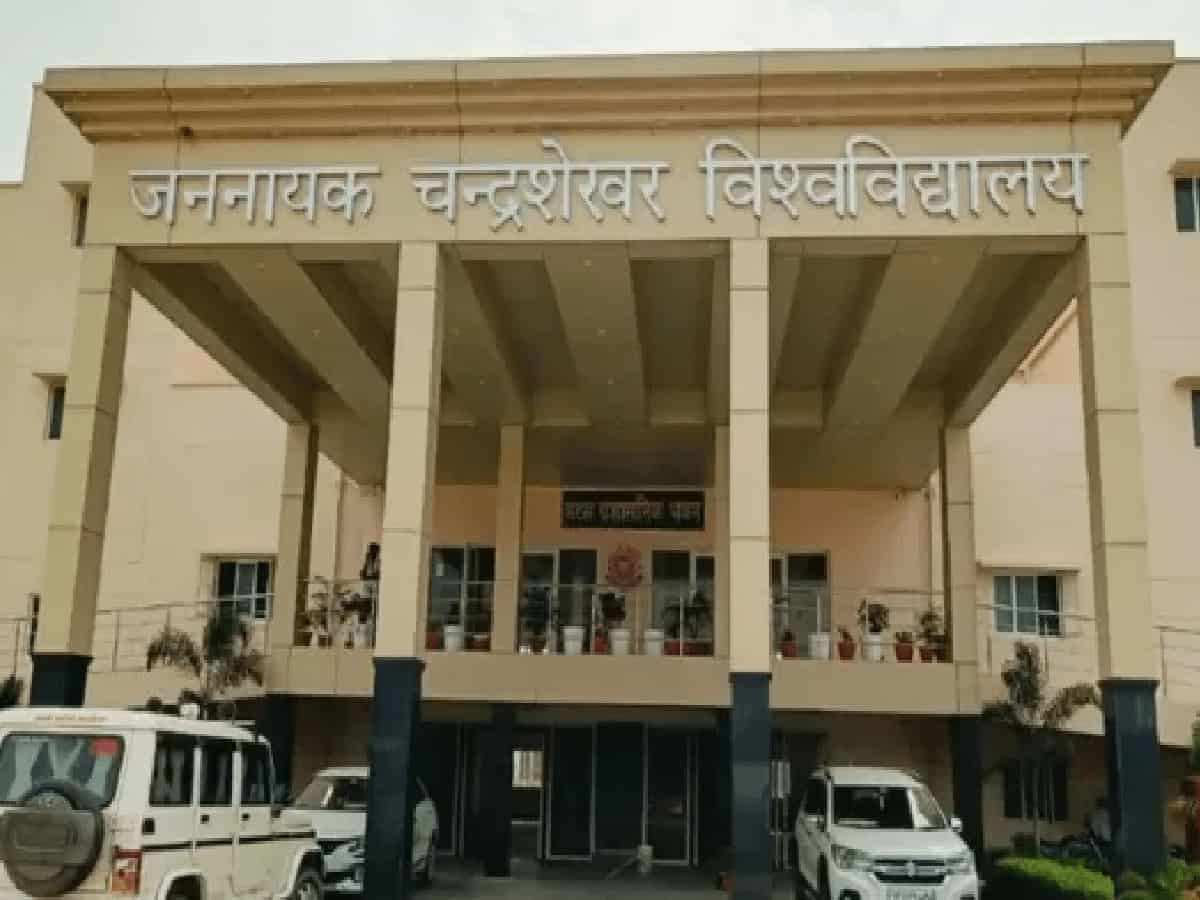
A sharp institutional divide has emerged in the district-level beneficiary data for the Uttar Pradesh government's flagship Rani Lakshmibai Scooty Scheme in Ballia, where female graduates from private (self-financed) colleges account for nearly four out of every five selected students. According to the selection list of 424 eligible female students compiled and forwarded to the Higher Education Directorate by Jananayak Chandrashekhar University (JNCU), Ballia, as many as 334 beneficiaries—or 78.77 percent—hail from private colleges. By contrast, university campus departments, government women's colleges, and government-aided degree colleges together account for just 90 selected students (21.23 percent). Even within that public and aided segment, selections are heavily concentrated in a single institution—Shri Murli Manohar Town Degree College (TD College)—while three aided colleges in the district failed to place even a single student on the list. For students, parents, and higher-education observers across Uttar Pradesh—from Ballia in Purvanchal to state academic and policy hubs in Lucknow and neighboring centers such as Unnao, Kanpur, Prayagraj, and Varanasi, where the rollout of free scooties to top meritorious graduate women is closely tracked—the lopsided numbers have sparked serious debate over student outreach, documentation verification, and academic performance in state-funded colleges.
College-Wise Breakdown of the 424 Selected Beneficiaries in Ballia
A closer look at the 424 candidates forwarded by Jananayak Chandrashekhar University illustrates how private institutions outpaced public and aided campuses across the district:
| Institution Category / College Name | Selected Girl Students | Share / Key Observation |
| Private (Self-Financed) Colleges | 334 | Accounts for 78.77% of all 424 selected beneficiaries (nearly 3 in 4 students). |
| Shri Murli Manohar Town Degree College (TD College — Aided) | 55 | Highest among all aided/government colleges; represents ~61–65% of the 90 public/aided selections. |
| Satish Chandra College (Aided) | 11 | Second-highest tally among government-aided institutions in Ballia. |
| Kunwar Singh Postgraduate College (Aided) | 10 | Third-largest contributor within the aided college category. |
| Gulab Devi Women's College & Shri Bajrang PG College | 2 each (4 total) | Minimal representation despite dedicated female enrollment at Gulab Devi Women's College. |
| Devendra PG College & Mathura PG College | 1 each (2 total) | Single beneficiary selected from each campus. |
| University Campus / Other Government & Aided Colleges | 8 | Includes 3 aided colleges with zero selections, bringing total public/aided count to 90 (21.23%). |
| Total Candidates Forwarded by JNCU, Ballia | 424 | Sent to the Higher Education Directorate for final scooty allocation. |
Why Low Representation From Government and Aided Colleges Has Sparked Debate
The gap between 334 selections from private colleges and 90 from university, government, and aided campuses has prompted pointed questions from educators and local observers. Despite receiving substantial state funding, faculty grants, and institutional infrastructure, government and aided colleges lagged sharply behind self-financed counterparts—with three aided institutions recording zero beneficiaries. Educationists point out that because institutional merit lists depend on timely student registration, document verification (domicile, income, and graduation marks), and active campus-level awareness drives, administrative delays or lower outreach in public colleges can leave meritorious students off final lists.
Eligibility Rules and Benefits Under the UP Rani Lakshmibai Scooty Scheme
Administered by the Uttar Pradesh Higher Education Department, the Rani Lakshmibai Scooty Scheme aims to promote safe mobility and continued higher education among young women across the state:
-
Academic & Residency Criteria: Applicants must be permanent residents of Uttar Pradesh and female students who passed graduation during the 2025–26 academic session from a recognized state/private university or government, aided, or self-financed college.
-
Merit & Special Categories: General selections cover the top 5 percent of meritorious female graduates in each institution's merit list, while daughters of martyrs, destitute (Nirashrit) girl students, and Divyang (persons with disabilities) female students qualify under special provisions without the merit cutoff.
-
Annual Family Income Limit: Total annual family income must not exceed ₹12 lakh.
-
Complete Scooty Package: Each selected beneficiary receives a petrol-operated scooty along with government-funded vehicle registration, comprehensive insurance, an ISI-marked safety helmet, and initial petrol support.






