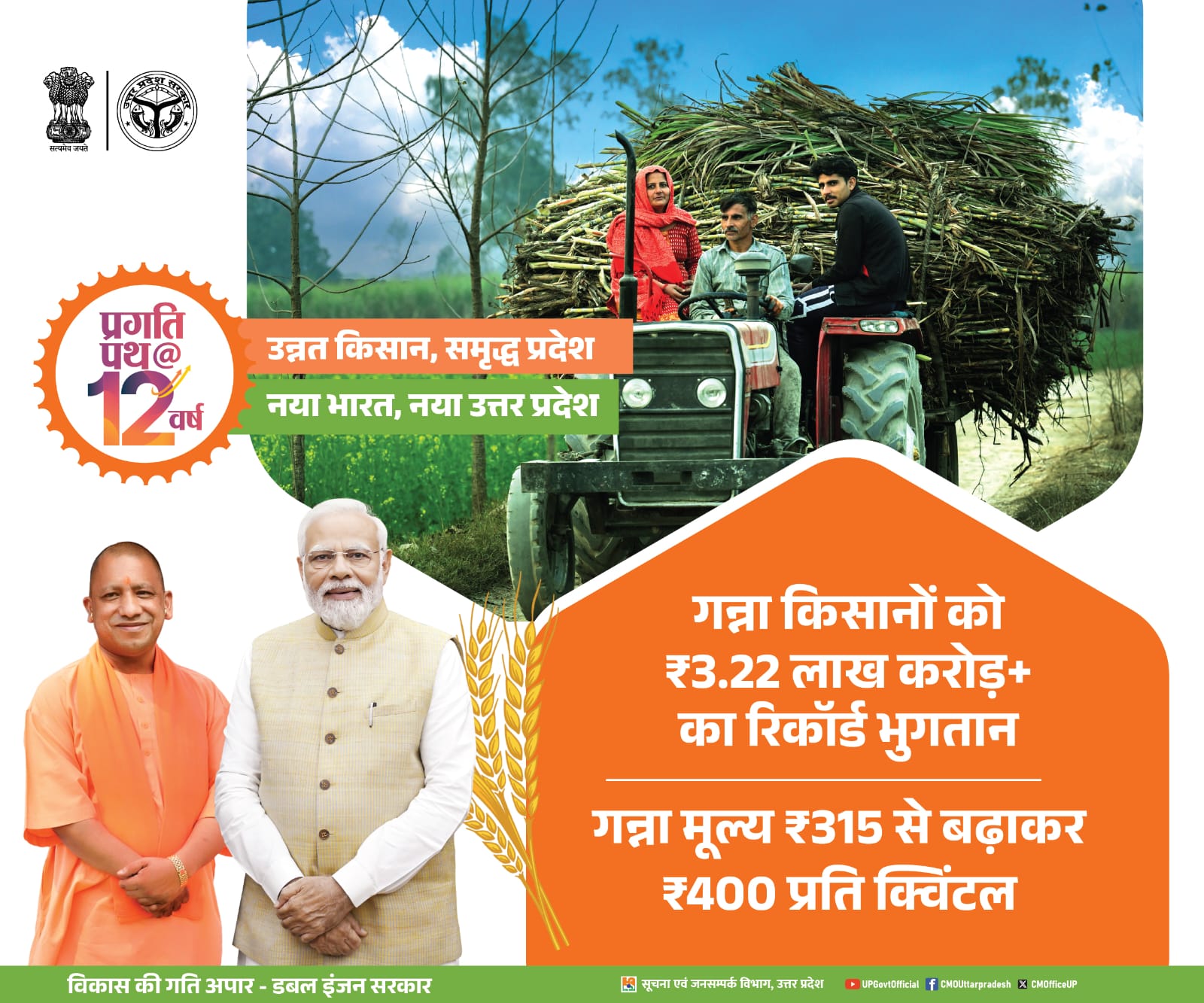
RBI Prepares To Launch ₹10 And ₹20 Plastic Notes Next Year As Global Suppliers Invited For Landmark Pilot Project
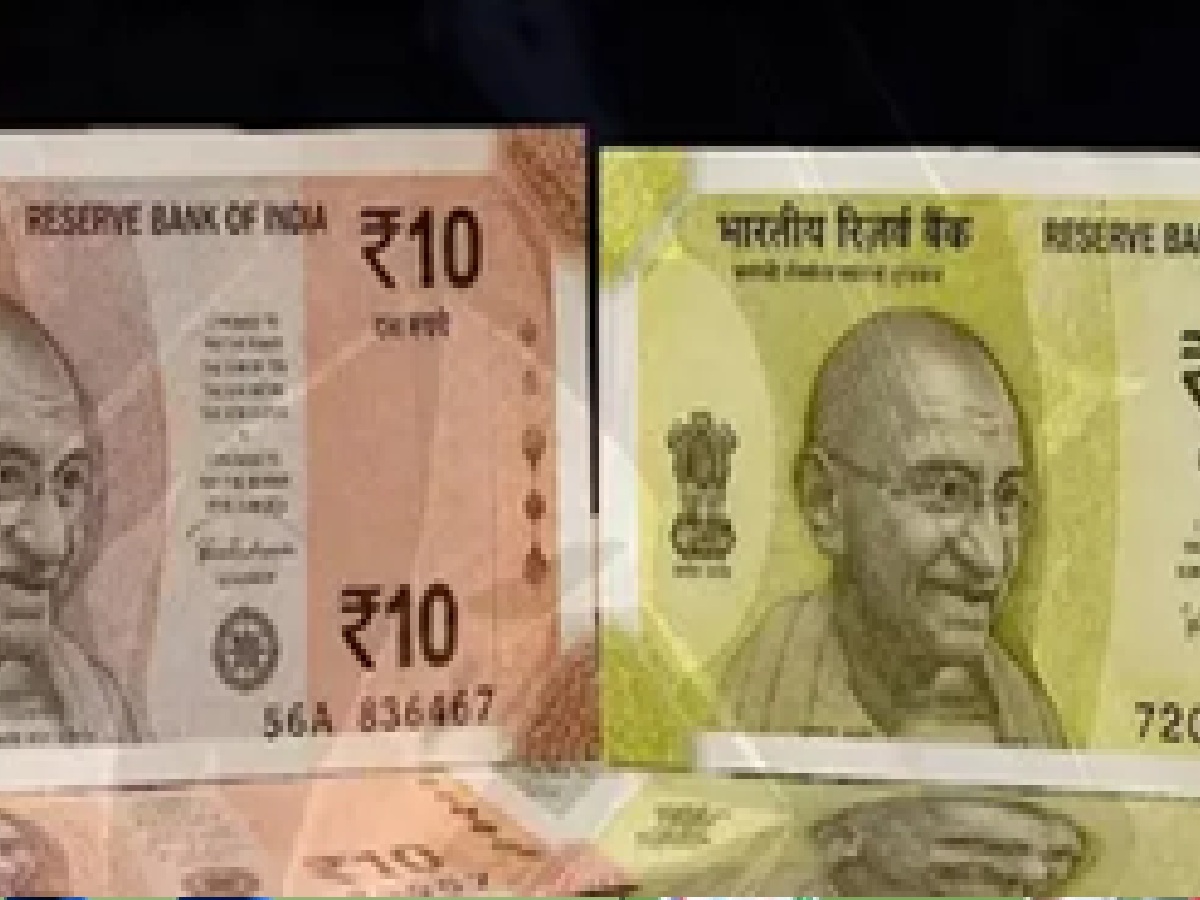
In a transformative step aimed at modernization, the Reserve Bank of India (RBI) is actively setting the stage to introduce highly durable ₹10 and ₹20 plastic polymer currency notes starting next year. To kickstart this major shift, the central bank's currency-printing subsidiary, Bharatiya Reserve Bank Note Mudran Private Limited, has officially floated a high-level international tender. The strategic move invites leading global manufacturers to supply opacified polymer substrate sheets integrated with cutting-edge security features, resolving a critical domestic manufacturing gap while laying down a modern framework for the country's circulating cash economy.
Overcoming Past Hurdles: Why India’s Third Strategic Attempt Holds A Higher Chance Of Success
This upcoming pilot rollout represents India’s third major attempt to transition away from traditional paper currency over the last 16 years. The initial process, launched in 2010, stalled by 2014 due to technical roadblocks, while a second field trial approved in March 2017 similarly failed to gain long-term momentum. A primary reason for past failures was that the nation's automated cash-sorting and counting infrastructure was calibrated strictly for paper fibers, making the adaptation to slick polymer materials cost-prohibitive. This third attempt is highly favored to succeed because the central bank has modified its strategy, inviting international note-printing firms to set up direct manufacturing operations within the country rather than relying strictly on imported raw sheets.
Bidding Deadlines And Scalability: Looking Beyond The August 18 Pilot Framework
According to tracking updates from news agency ANI, the formal deadline for international corporations to submit their specialized manufacturing bids is strictly set for August 18. The current legal tender explicitly specifies that this initial procurement phase is meant to satisfy immediate, short-term trial requirements. If the real-world field trials demonstrate structural success, the Reserve Bank of India plans to issue much larger, comprehensive production contracts extending the polymer format to higher currency denominations. While RBI Governor Sanjay Malhotra noted that the central bank is carefully analyzing feasibility and cost benefits before executing a full-scale deployment, industry experts view the trial as a definitive step forward.
Economic Efficiency: Slashing Massive Annual Printing Expenses And Destroying Soiled Cash
The core decision to target the lower-value ₹10 and ₹20 denominations is deeply rooted in volume dynamics and operational logistics. These specific notes see the highest daily transaction velocity across the country, causing them to soil, tear, and degrade at an incredibly rapid pace. Replacing damaged paper bills creates an immense financial drain on the state exchequer; during the 2024-25 fiscal period alone, the central bank spent a staggering ₹6372.8 crore on new printing runs while simultaneously destroying billions of degraded paper notes. Because polymer alternatives possess a significantly longer lifespan and resist water, oil, and tearing, their adoption will dramatically reduce recurring production costs and protect the integrity of the daily cash economy.


_174136323_351x234.jpg)
_1264800509_351x234.jpg)