Bihar’s Solar Revolution: PM Surya Ghar & ₹20k Subsidy
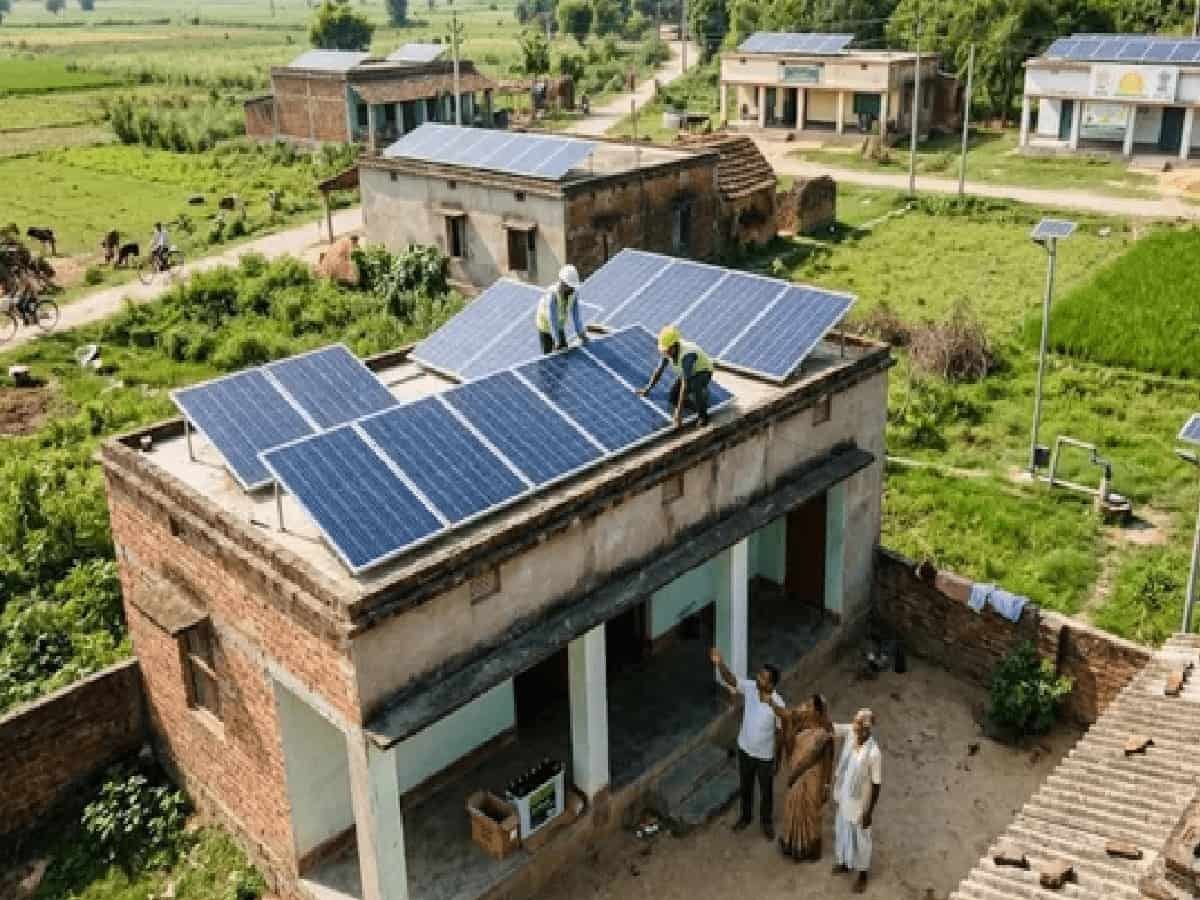
The clean energy transition is sweeping across eastern India, with Bihar emerging as a frontrunner in renewable adoption. Driven by a powerful synergy between central government initiatives and proactive state-level incentives, solar power is rapidly transforming the state's energy grid. Households, farmers, and government institutions are increasingly turning to photovoltaic technology, propelled by the flagship PM Surya Ghar Muft Bijli Yojana and aggressive agricultural solarization drives.
With the Bihar government sweetening the deal by offering an additional ₹20,000 subsidy on top of central financial assistance, rooftop solar adoption has witnessed an unprecedented surge. As coal-dependent power generation faces ecological scrutiny, Bihar's ambitious pivot toward decentralized renewable energy is rewriting the state's economic and infrastructural narrative.
PM Surya Ghar Yojana and the ₹20,000 State Subsidy Boost
At the heart of domestic solar adoption in the state is the PM Surya Ghar Yojana, a nationwide initiative designed to promote rooftop solar installations and reduce household electricity bills. According to recent energy department data, Bihar successfully integrated 129 megawatts (MW) of rooftop solar capacity into its power grid.
This momentum is expected to multiply exponentially following the state government’s policy announcement introducing an extra ₹20,000 subsidy specifically for local residents. This financial buffer bridges the gap between upfront installation costs and long-term savings, encouraging homeowners across Patna, Muzaffarpur, Bhagalpur, Gaya, and rural districts to transition to clean solar energy.
Furthermore, state authorities have rolled out targeted blueprints to bring solar electricity directly to economically vulnerable households. Under a comprehensive initiative designed to channel solar power to residential consumers, plans are underway to install rooftop solar systems with a collective capacity of 1,100 MW across 10 lakh Kutir Jyoti electricity consumers, ensuring that green energy benefits reach the grassroots level.
Greening Public Infrastructure: Rooftop Solar on 12,788 Government Buildings
The solar transition in Bihar is not limited to residential rooftops; public infrastructure is undergoing a massive green overhaul. To set a robust precedent, the state administration has mandated the installation of photovoltaic systems across government offices, schools, and institutional buildings.
Recent administrative reports indicate that 115 MW of rooftop solar systems have already been successfully installed across 12,788 government buildings throughout the state. To build upon this milestone, a massive new 500 MW institutional solar project has received formal approval.
Under the newly launched Surya Sankalp Yojana, the green transition has reached administrative command centers as well. Solar energy systems are currently being installed across the official offices and residential complexes of all District Magistrates in Bihar, ensuring that governance itself runs on clean, sustainable power.
Revolutionizing Agriculture Through PM-KUSUM and Feeder Solarization
While urban rooftops are embracing solar panels, Bihar’s agrarian heartland is experiencing an equally profound transformation. Agriculture remains the backbone of the state's economy, traditionally relying on grid electricity or diesel-powered irrigation pumps. To alleviate power burdens and provide reliable daytime electricity to farmers, Bihar has positioned itself as one of the leading states in eastern India for the solarization of agricultural feeders under the PM-KUSUM Yojana.
Recent data highlights the staggering scale of this agricultural transition:
Power Purchase Agreements: Agreements for a cumulative capacity of 456 MW have been successfully finalized through 175 power substations.
Direct Farmer Benefit: This infrastructure upgrade directly powers and benefits 120,903 agricultural pumps, shielding farmers from erratic grid supply and rising diesel costs.
Future Expansion: Building on these achievements, advanced planning and preliminary execution for an expansive 2,500 MW agricultural solarization roadmap are already underway.
Building a Sustainable Future for Eastern India
Bihar’s rapid embrace of solar energy reflects a broader paradigm shift in India’s battle against climate change. By successfully combining central financial frameworks with attractive regional subsidies—such as the ₹20,000 state incentive—and executing large-scale institutional and agricultural integration, the state is demonstrating how regional governance can accelerate the national green energy transition. As solar microgrids, rooftop panels, and solar-powered irrigation networks expand across districts, Bihar is not merely lighting homes; it is anchoring a sustainable, energy-secure future for the entire region.