Staff Shortage Cripples Bahadurgarh Civil Hospital Services

Public healthcare delivery in Haryana’s industrial belt has hit a roadblock as administrative restructuring creates operational crises at grassroots medical facilities. The ongoing online transfer process—implemented for government employees and healthcare personnel who have completed five years of service at a single posting—has plunged the Bahadurgarh Civil Hospital into a severe staff crunch.
With key diagnostic departments losing experienced personnel and nursing staff gearing up for potential strike actions, patients visiting the multi-specialty government facility are facing mounting difficulties, raising urgent questions about operational continuity.
X-Ray Services Paralysis: Three Radiographers Transferred Without Immediate Replacements
The immediate fallout of the online transfer drive has struck the hospital’s vital diagnostics wing, particularly the X-ray department. Prior to the administrative reshuffle, the Bahadurgarh Civil Hospital maintained a team of five radiographers to handle heavy daily patient inflows. However, under the latest transfer mandate, three of the five radiographers have been shifted out of the facility, leaving behind a depleted team of just two staff members.
The impact on daily healthcare workflows has been immediate and profound. The hospital operates X-ray facilities across multiple high-traffic zones, including the bustling Trauma Center and outpatient departments (OPDs).
Operational Shift Pressures: Routine trauma center X-rays are managed across morning and evening shifts, supplemented by emergency on-call services through the night.
The Strain: Trying to sustain multi-shift diagnostics across both trauma and OPD wings with less than half the regular workforce has pushed remaining staff to their limits.
To mitigate the crisis, hospital management formally alerted the Chief Medical Officer's (CMO) office, securing a temporary stopgap arrangement where a visiting radiographer from an external facility has been assigned to Bahadurgarh for three days a week. However, medical administrators acknowledge that part-time support is insufficient to meet daily patient demand, forcing local residents to endure long waiting hours or face delays in critical diagnostic evaluations.
Nursing Officers Prepare for State-Wide Protests Over Model Transfer Policy
Compounding the diagnostic crisis, labor friction is brewing within the hospital’s nursing cadre. Nursing officers have expressed deep dissatisfaction with the parameters of the model online transfer policy, arguing that mandatory displacement after five years disrupts family stability and exacerbates institutional staffing deficits.
Frustration has been simmering for weeks. Female nursing officers previously staged symbolic demonstrations and token strikes to register their protest against the state's transfer framework. With negotiations stalling, hospital unions have called an emergency general meeting on Saturday to chart out their future course of action. Union leaders have warned that if a formal strike is voted upon, inpatient care, emergency ward support, and routine immunization services across the Civil Hospital could face complete paralysis.
Hospital Administration Responds to Diagnostic Bottlenecks
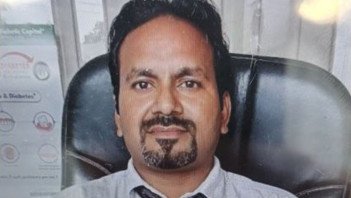
Addressing the mounting concerns, Dr. Vinay Deshwal, acting Chief Medical Officer of the Civil Hospital, sought to reassure the public while acknowledging the administrative hurdles. Confirming the departures under the state's online transfer mandate, Dr. Deshwal noted that formal indents for additional medical personnel have been dispatched to higher authorities.
"After the transfer of three radiographers, an urgent demand for staff augmentation has been sent to the CMO's office. Currently, to ensure that X-ray services are not entirely halted, a radiographer from another hospital has been deputed for three days a week," Dr. Deshwal stated.
As local health authorities await permanent postings from state health directorates, patients and civil society groups in Bahadurgarh are urging immediate intervention to stabilize staffing levels. Ensuring uninterrupted diagnostic services and resolving nursing grievances will remain critical to restoring public trust in the region's primary public healthcare infrastructure.