
 Desk
Desk Share
Share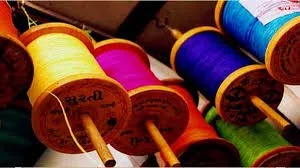
Haridwar. During the kite-flying season, Chinese thread poses a significant risk to pedestrians on the roads. Despite claims of strictness by the police and administration, last year a Bullet rider died and more than 150 pedestrians were injured. This year, more than 50 people have been injured so far.
The biggest question is how Chinese manjha is still reaching the city despite a five-year ban. Police conduct local raids and arrest shopkeepers, but the larger question remains: When the ban is in place, where is this manjha being manufactured and how is it being smuggled? Overall, the threat of Chinese manjha is at its peak leading up to the upcoming Vasant Panchami festival on January 23rd. This danger can be addressed by taking action and exercising caution.
Flyovers pose the greatest risk
The construction of the flyover network in Haridwar has led to an increase in incidents of pedestrians being cut by Chinese thread. This is because there are populations on both sides of the flyovers in Haridwar, Kankhal, and Jwalapur. While crossing the flyovers, pedestrians are at a considerable height.
Kites flown from rooftops in populated areas often reach the flyovers, often injuring pedestrians while crossing the flyover. If we look at the incidents, the highest number of incidents of kites being cut by Chinese manjha have occurred on the Jwalapur high bridge, Sitapur flyover, Singhdwar flyover, Premnagar Ashram flyover, Shankaracharya Chowk flyover, and the flyover in Bhupatwala. Apart from these, incidents of kites being cut by manjha in the streets and neighborhoods are almost nil.
Where is Chinese manjha being made?
Sources and recent seizures have strengthened the suspicion that dangerous manjha, similar to Chinese manjha, is being manufactured locally in some areas of Uttar Pradesh. It is being supplied under altered names, packaging, and labeled as "nylon and synthetic thread" to avoid detection. This is why its supply remains unabated despite claims of a ban.
How to identify dangerous manjha
- Sharp edge: A cut on the finger even with a slight rubbing.
- Shiny and metallic finish: Indicates glass powder or chemical coating.
- Unusual colors: bright green, blue, silver, or black.
- Water Resistant: Stays Strong For A Long Time.
- Questionable packaging: rolls without a brand/address, or misleading terms like 'eco-friendly'.
How can the administration effectively stop this?
- Action at Source: Tracking the supply of raw materials (nylon yarn, glass powder, chemicals) in border districts.
- Wholesale Surveillance: Regular checks of wholesale warehouses, couriers and e-marketplaces.
- Field Test Kit: Quick kit for on-the-spot edge/coating testing.
- Strict punishment: License cancellation with confiscation and case under non-bailable sections.
- Drones/CCTV: Surveillance of kite flying hotspots.
- Public awareness: Campaigns in schools, RWAs, market committees.
How can the common man save his life?
- Wear a helmet and neck cover while riding a two-wheeler, especially during the afternoon and evening.
- Give only safe manjha (cotton thread) to children and keep an eye on them.
- In case of a cut, stop the bleeding immediately by applying pressure; in case of a deep wound, go to the hospital.
- If you notice any suspicious sale, inform the police control room/local police station.
- Do not fly kites near power lines/roads.
The police are fully alert to stop the sale of Chinese thread. In addition to conducting raids, instructions have been issued to disrupt the supply chain and raise public awareness. Additionally, cases will be filed against those found using thread.
Pramod Doval has been made SSP Haridwar.
Read More: Kedarnath Heli Services 2026: Booking Starts April 15,New Monsoon Routes Ready for Pilgrims
_1570701464_100x75.jpg)
_1563449287_100x75.jpg)

_1025409548_100x75.jpg)
_1681775372_100x75.jfif)