Priyanka Tiwari
 Share
Share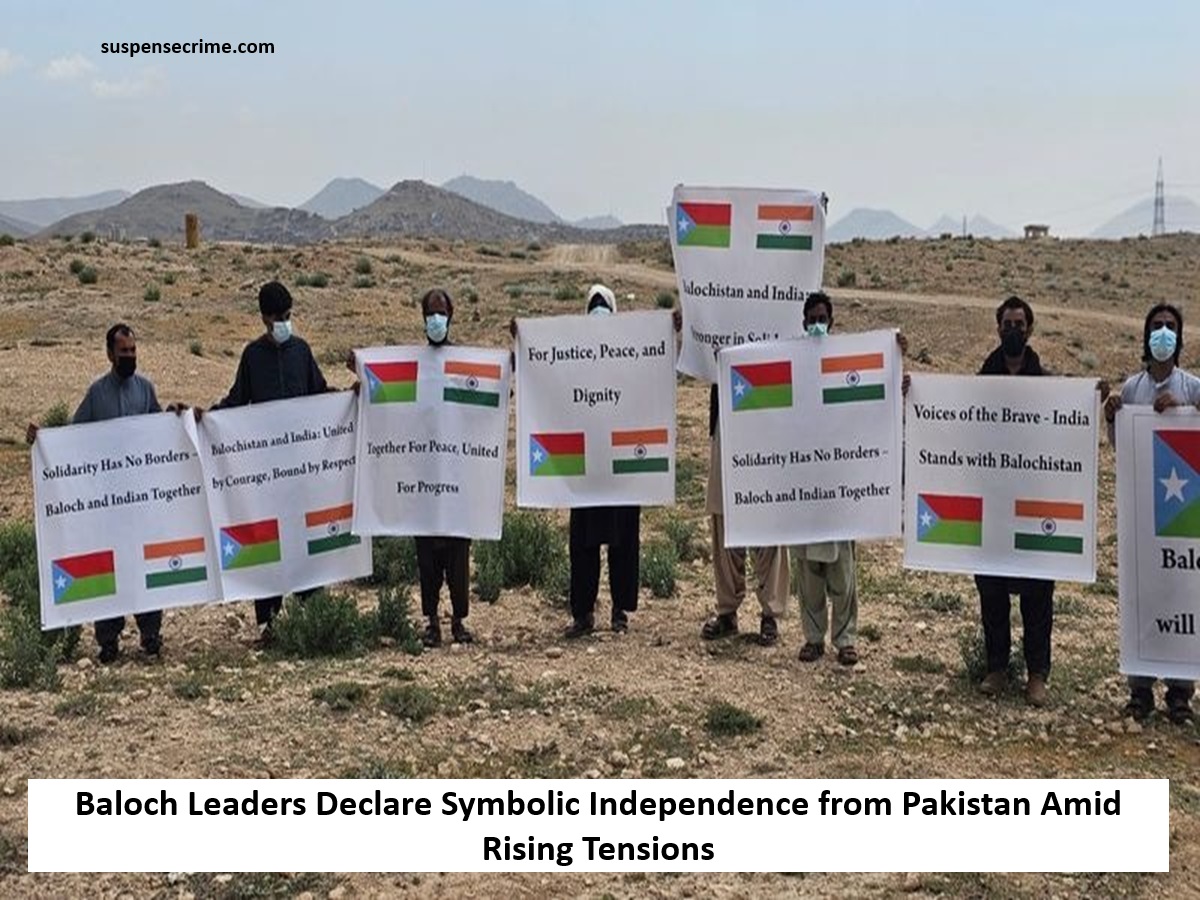
Suspense crime, Digital Desk : Adding to India-Pakistan tensions, Baloch leaders including Mir Yar Baloch have proclaimed Balochistan, Pakistan’s greatest and most resource-laden province, symbolically independent. Although the region suffers from an insurgency movement and numerous allegations of human rights abuses, the declaration is intended to shift attention towards these issues.
The statement comes at a time when Pakistan is facing international scrutiny over issues such as enforced disappearances and civil strife in Balochistan.
Key Figures in the Baloch Nationalist Movement
Mir Yar Baloch: A prominent exiled voice of the Baloch community, he resides in Europe, where he has attended the UN, and advocates for numerous causes including military repression, natural resource abuse, and enforced disappearances.
Bashir Zaib (Zeb): The commander of the Baloch Liberation Army and a known terrorist according to Pakistan. He replaced Aslam Baloch and has maintained his aggressive stance towards Pakistani forces and the Chinese CPEC allied infrastructure, increasing his attacks significantly.
Mehran Marri: Son of veteran nationalist Khair Baksh Marri, he is the head of the United Baloch Army (UBA) and has been known to advocate for Baloch self-determination. He currently resides in Switzerland, and calls for international intervention in support of his cause.
Brahumdagh Bugti: Grandson of Former Governer of Balochistan Nawab Akbar Bugti, he leads the Baloch Republican Party and has become more militant in his responses after sustained military action in his region of origin.
Allah Nazar Baloch. The ex-physician and present head of the Balochistan Liberation Front (BLF). It had been some time since he was heard of, but he is reportedly still active within Balochistan, stemming from the Baluchistan region, issuing messages from underground as alias Allah Nazar.
Hyrbyair Marri. The remaining brother to Khair Baksh Marri, he heads the Balochistan Liberation Movement (BLM) in the UK, where he lobbies British governments.
What Causes Resistance within the Balochistan Region?
Roughly Balochistan makes up 44% of the total land mass which is Pakistan, however, remains underdeveloped. There is abundant supply of natural gas, coal, copper, gold and uranium… the people claim that there is systematic marginalization and economic exploitation.
Tension is rampant over an issue that traces back to 1948, which is when the princely state of Kalat was integrated into Pakistan, serving as a source of strife ever since. Since then, there have been five major insurgences, all of which have been dealt with century's worth of military force.
Activists argue that the China-Pakistan Economic Corridor (CPEC) aggravates the situation most by militarizing the region while infra structurally dispossessing natives, and suppressing them without any local aid.
Baloch Activists Aim at Indian Support
In recent days, leaders like Mir Yar Baloch and Brahumdagh Bugti have demanded of India to become a voice to the voiceless and spearhead issues pertaining to the rights of Baloch people, seeking for more diplomatic and international support. Some activists claim their situation is like former East-Pakistan pre-1971 and asking India for similar action to be taken.
Though India has previously raised issues regarding human rights violations in Balochistan, formally acknowledging Baloch independence remains a sensitive geopolitical concern.
Read More: Donald Trump Sparks Fury After Sharing Controversial Hellhole Post Targeting India