Priyanka Tiwari
 Share
Share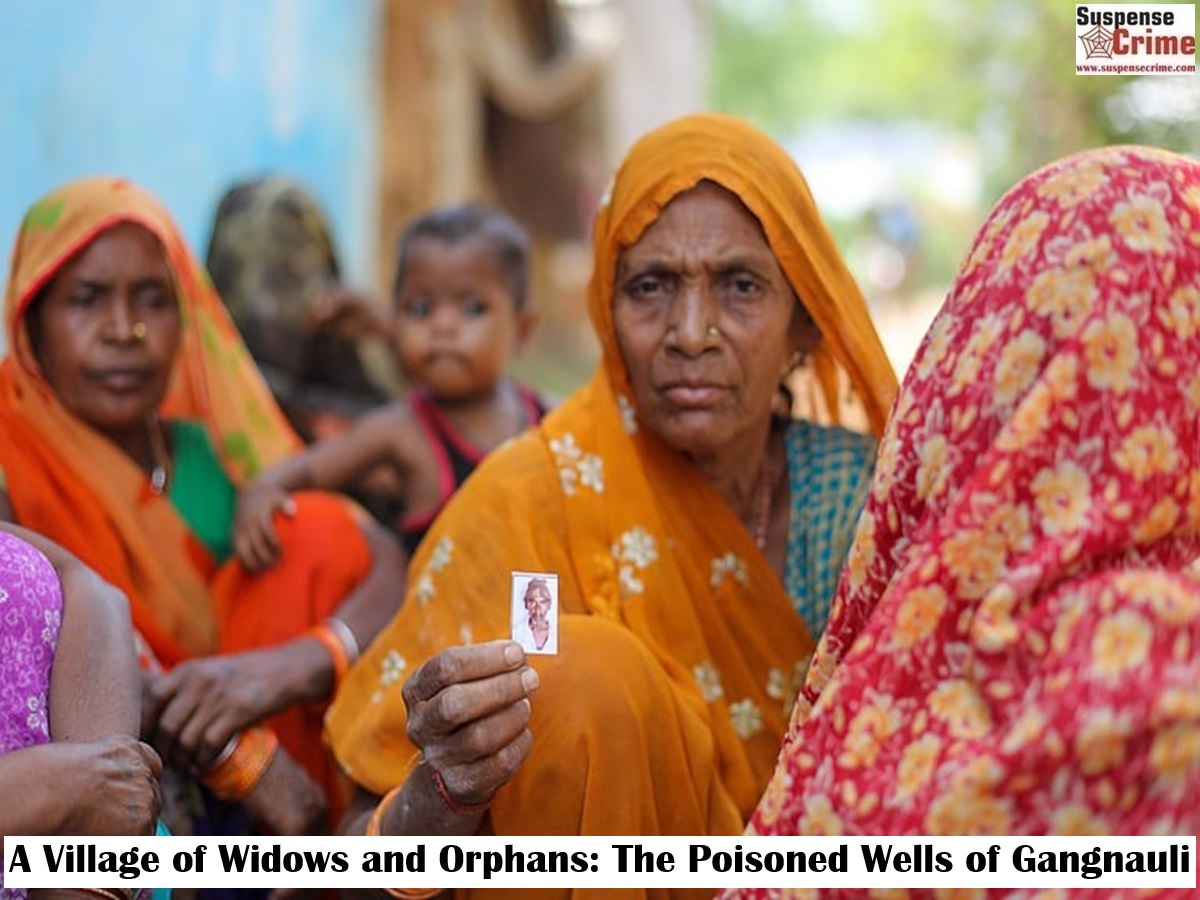
Suspense crime, Digital Desk : Gangnauli, India – In the small village of Gangnauli in Uttar Pradesh, a grim and terrifying reality has taken hold. Residents have given their home a heartbreaking nickname: the "cancer village." It is a place where nearly every family has a story of a loved one lost to cancer or other debilitating illnesses, and where the water that should give life is delivering a slow and painful death.
For years, the water from the village's handpumps has been turning black, emitting a foul smell that hints at the poison within. The source of this slow-motion tragedy is the nearby Krishna River, which has become a dumping ground for untreated industrial waste from surrounding factories. This toxic cocktail, laden with dangerous heavy metals, has seeped deep into the earth, contaminating the groundwater that the villagers have relied on for generations.
The human cost is staggering and visible in every corner of Gangnauli. It's a village filled with an overwhelming number of widows and orphans. The corridors of homes are lined with portraits of the deceased, many of whom were young. Beyond cancer, residents suffer from a range of other severe health issues, including skin diseases, neurological disorders, and developmental problems in children.
Fear has become a permanent resident. Many families who can afford it have fled, selling their land and homes for a fraction of their value just to escape the poisoned environment. Those who remain live in a state of constant anxiety, knowing that every glass of water could be bringing them closer to a fatal illness.
In response to the crisis, authorities have started supplying treated water via tankers and have set up a purification plant. But for the villagers, this feels like a band-aid on a gaping wound. The source of the contamination—the relentless industrial pollution of the Krishna River—continues largely unchecked.
The plight of Gangnauli has now been brought before India's National Green Tribunal (NGT) by activists fighting for the village's right to clean water and a safe environment. Their fight is a desperate one, a battle not just against pollution, but for their very survival. The story of Gangnauli stands as a stark and devastating warning about the human cost of unchecked industrial growth and environmental neglect.