

 Desk
Desk Share
Share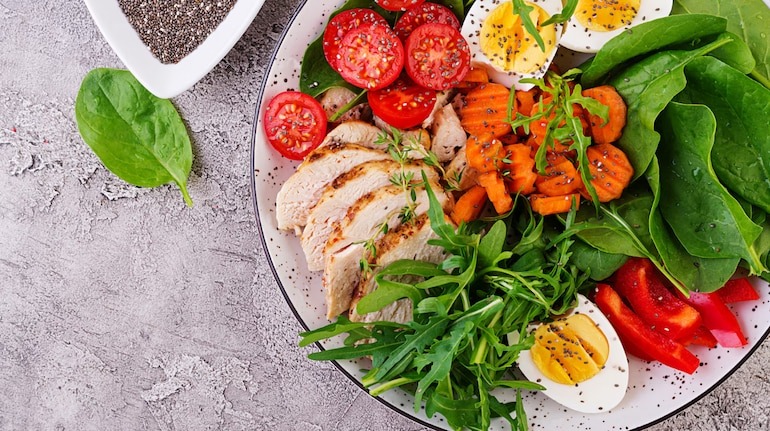
To fight inflammation through food might sound ludicrous, especially considering the variety of diets available today. Stressors like the environment, poor lifestyle choices, and even poor nutrition can lead to inflammation, which sounds like a horror flick in and of itself, considering how it plays a central role in chronic conditions. This is where the anti-inflammatory diet comes into play. It focuses on utilizing food to aid body nourishment while tackling inflammation in the most natural way possible.
Sounds intriguing, but is it actually beneficial for you?
We sought out professionals to understand more about the anti-inflammatory diet.
The anti-inflammatory diet derives its core from the foods that helps mitigate chronic body inflamation, which tends to soar high in correlation with several diseases such as diabetes, arthritis, some heart diseases, and even cancer.
Sourabh Arya, a Nutrition Consultant and Co-founder at Peak Biomechanics explained: inflammation is a response of a body’s immune system due to infection, injury, or toxins. When analyzed thoroughly, one can ascertain that inflammation is indeed a natural step towards healing an inflicted part of the body. But chronic inflammation, on the other hand, can wreak havoc on an individual’s body, which is where the anti-inflammatory diet seamlessly comes into play.
What are the foods that compose the anti-inflatory diet?
CK Birla’s Internal Medicine consultant, Dr Tushar, makes a point by stating the following:
1. Brown rice, whole wheat, and millets (ragi, bajra, jowar) serve as refined grain replacements.
2. Healthy fats: Almonds, walnuts, and flax, pumpkin, or chia seeds. These as well as Mustard oil, coconut oil, and desi ghee are nutritious fats, but only in moderation.
3. Spices and herbs: Turmeric (curcumin), ginger, garlic, and tulsi. These herbs also include cinnamon and possess considerable anti-inflammatory properties.
4. Roots and Fruits: Amla, Pomegranate, Papaya, Tomatoes, and leafy vegetables like Spinach, Methi, and Curry leaves are nutrient dense and fibrous.
5. Curd, buttermilk, Kanji, and even fermented pickles are probiotic rich foods that are really great for gut health and reducing inflammation.
6. Moong dal, rajma, chana, and lentils are all great sources of plant-based protein and fiber.
“On the other hand, the diet does not include nor allow refined sugars, refined flour, deep-fried snacks, excessive dairy, and processed foods,” says Dr. Tayal.
“Does it work, though?”
Yes, according to Dr. Tayal, who tells us that an anti-inflammatory diet has validity. “It combats oxidative stress, balances gut microbiota, regulates blood sugar, and even helps with heart issues.”
Yet, he also states that keeping inflammation at bay is not just as simple as throwing a meal or two into the mix; with exercising regularly, drinking lots of water, getting high quality sleep, and not smoking or drinking alcohol, you'll reap the benefits.
While normal inflammation is required for recovery, an anti inflammatory diet is essential when inflammation becomes recurrent or excessive. "C-Reactive Protein (CRP) and Interleukin-6 (IL-6) are important markers of inflammation in the body. Following an anti-inflammatory diet combined with a healthy lifestyle keeps these markers at a manageable level,” concludes Arya.

_1412932328_100x75.jpg)