

 Desk
Desk Share
Share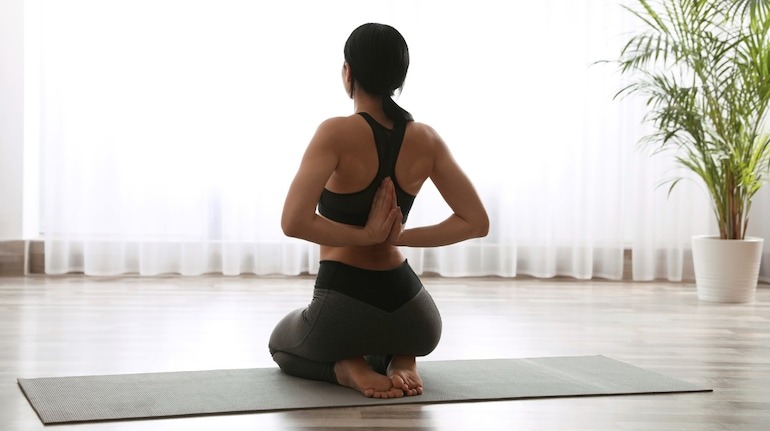
Digestive disorders, especially Gastroesophageal Reflux Disease (GERD), can significantly impact daily life, leading to chronic discomfort and potential long-term complications. While proton pump inhibitors (PPIs) remain the primary treatment for GERD, some individuals experience severe or PPI-resistant symptoms, requiring alternative approaches.
A study conducted at The University Hospital, New Jersey Medical School, suggests that incorporating yoga into conventional medical treatment can reduce GERD symptoms and may even help delay or avoid invasive procedures like fundoplication surgery.
Understanding GERD: Causes and Challenges
GERD occurs when stomach acid flows back into the esophagus, often due to a weakened lower esophageal sphincter (LES). While PPIs help reduce acid production and provide symptom relief, GERD can have multiple triggers, including:
Hiatal hernia – A condition where part of the stomach pushes through the diaphragm.
Esophageal motility disorders – Irregular movement of the esophagus, affecting food passage.
Gastroparesis – Delayed stomach emptying that worsens reflux.
Asthma & respiratory conditions – These can increase abdominal pressure, triggering reflux.
Diabetes – Alters digestion and affects nerve function, impacting esophageal motility.
Pregnancy – Hormonal changes and pressure on the stomach can worsen reflux.
Medications – Drugs like NSAIDs and bisphosphonates can irritate the esophagus and worsen symptoms.
Because GERD is influenced by both physiological and lifestyle factors, managing it effectively requires a multifaceted approach that goes beyond medication.
How Yoga Can Help Manage GERD
Yoga is known to:
Improve digestion
Reduce stress (which can worsen GERD symptoms)
Enhance gut motility
Strengthen the diaphragm and esophageal function
Certain yoga poses and breathing exercises help reduce acid reflux episodes by improving abdominal strength, posture, and relaxation.
Best Yoga Poses for GERD Relief
1. Vajrasana (Thunderbolt Pose)
Benefits:
- Enhances digestion by improving gastric function.
- Prevents acid reflux by reducing pressure on the stomach.
- Helps with post-meal relaxation.
How to do it:
- Sit on your heels with your back straight.
- Rest your hands on your knees.
- Breathe deeply and hold for 5–10 minutes after meals.
2. Ardha Matsyendrasana (Half Spinal Twist Pose)
Benefits:
- Stimulates abdominal organs, aiding digestion.
- Helps relieve bloating and improves intestinal movement.
- Strengthens core muscles, reducing pressure on the stomach.
How to do it:
- Sit with legs extended. Bend one knee and place the foot over the opposite thigh.
- Twist your torso toward the bent knee, placing the opposite elbow outside the knee.
- Hold the position for 20–30 seconds on each side while breathing deeply.
3. Bhujangasana (Cobra Pose)
Benefits:
- Strengthens abdominal muscles and improves spinal alignment.
- Reduces pressure on the stomach, minimizing reflux.
- Enhances blood circulation to the digestive organs.
How to do it:
- Lie on your stomach with your hands under your shoulders.
- Inhale and gently lift your chest, keeping elbows slightly bent.
- Hold the pose for 15–20 seconds, then release.
4. Anulom Vilom (Alternate Nostril Breathing)
Benefits:
- Regulates the nervous system, lowering stress levels.
- Boosts oxygen flow, which aids digestion.
- Helps control GERD triggers linked to anxiety and tension.
How to do it:
- Sit comfortably with a straight spine.
- Use your thumb to close one nostril and inhale through the other.
- Switch nostrils and exhale slowly.
- Repeat for 5–10 minutes daily.
Lifestyle Modifications for Long-Term GERD Relief
Mindful Eating:
- Eat small, frequent meals instead of large portions.
- Avoid spicy, acidic, and fatty foods that trigger reflux.
- Chew food slowly and thoroughly.
Maintain a Healthy Weight:
- Excess weight increases pressure on the stomach, worsening GERD.
- Incorporate regular physical activity like walking or yoga.
Avoid Lying Down After Meals:
- Wait at least 2-3 hours before lying down.
- Sleep with your head elevated to prevent acid reflux.
Reduce Stress:
- Practice meditation and deep breathing exercises.
- Engage in relaxing activities like reading, music, or nature walks.
Read More: Get Salon-Ready Feet at Home The Magic Tomato Scrub to Erase Tan and Roughness in Minutes


_132300150_100x75.jpg)
_430488585_100x75.jpg)
_1333714631_100x75.jpg)
_58079313_100x75.jpg)